Controlling the pressure in a mold roasting furnace is a critical aspect of ensuring optimal performance, product quality, and safety. As a reputable supplier of mold roasting furnaces, we understand the challenges and intricacies involved in pressure management. In this blog post, we will delve into the key factors affecting pressure control in a mold roasting furnace and provide practical strategies to help you maintain the ideal pressure levels.
Understanding the Importance of Pressure Control
Pressure control in a mold roasting furnace is essential for several reasons. Firstly, it directly impacts the quality of the roasted molds. Incorrect pressure can lead to uneven heating, which may result in defects such as cracks, warping, or inconsistent hardness. Secondly, proper pressure control ensures the safety of the operation. Excessive pressure can cause the furnace to malfunction or even pose a safety hazard, while insufficient pressure may not achieve the desired roasting results. Finally, maintaining the right pressure levels can improve energy efficiency, reducing operational costs and environmental impact.
Factors Affecting Pressure in a Mold Roasting Furnace
Several factors can influence the pressure inside a mold roasting furnace. Understanding these factors is crucial for effective pressure control.
1. Heating System
The heating system is one of the primary drivers of pressure changes in the furnace. As the temperature rises, the air and gases inside the furnace expand, increasing the pressure. The type of heating element, its power output, and the heating rate can all affect the pressure build - up. For example, a high - power heating element that heats the furnace rapidly may cause a more significant pressure spike compared to a lower - power element with a slower heating rate.
2. Ventilation
Proper ventilation is essential for pressure control. The ventilation system allows the release of hot air and gases from the furnace, preventing excessive pressure build - up. If the ventilation is blocked or inadequate, the pressure inside the furnace will continue to rise. On the other hand, over - ventilation can lead to a rapid drop in pressure, which may also affect the roasting process.
3. Load Size and Composition
The size and composition of the molds being roasted can also impact the pressure. Larger loads or molds with a high density may require more heat to reach the desired roasting temperature, resulting in a greater pressure increase. Additionally, the materials used in the molds may release gases during the roasting process, which can contribute to the pressure changes.
4. Furnace Design
The design of the furnace, including its shape, volume, and sealing, plays a significant role in pressure control. A well - designed furnace with a proper sealing mechanism can prevent air leakage, ensuring that the pressure remains stable. The shape and volume of the furnace can also affect the distribution of heat and pressure inside.
Strategies for Controlling Pressure in a Mold Roasting Furnace
1. Optimize the Heating System
- Select the Right Heating Element: Choose a heating element that provides a consistent and controllable heat output. Consider the size and requirements of your furnace when selecting the heating element.
- Control the Heating Rate: Gradually increase the temperature to avoid sudden pressure spikes. Use a programmable temperature controller to regulate the heating rate accurately.
2. Maintain Proper Ventilation
- Regularly Inspect the Ventilation System: Check for any blockages or damage in the ventilation ducts, fans, and dampers. Clean or replace any clogged or worn - out components.
- Adjust the Ventilation Rate: Based on the load size, temperature, and other factors, adjust the ventilation rate to maintain the desired pressure. Use a pressure sensor to monitor the pressure and make real - time adjustments to the ventilation system.
3. Manage the Load
- Balance the Load: Ensure that the molds are evenly distributed inside the furnace to promote uniform heating and pressure distribution. Avoid overloading the furnace, as this can lead to excessive pressure build - up.
- Pre - treat the Molds: If the molds release a large amount of gases during roasting, consider pre - treating them to reduce the gas emissions. This can help in maintaining a more stable pressure inside the furnace.
4. Improve Furnace Sealing
- Check and Repair Seals: Regularly inspect the furnace seals for any signs of wear or damage. Replace any damaged seals to prevent air leakage, which can affect the pressure control.
- Use High - Quality Sealing Materials: Invest in high - quality sealing materials that can withstand high temperatures and provide a tight seal.
Types of Mold Roasting Furnaces and Their Pressure Control Considerations
We offer a range of mold roasting furnaces, each with its own unique features and pressure control requirements.


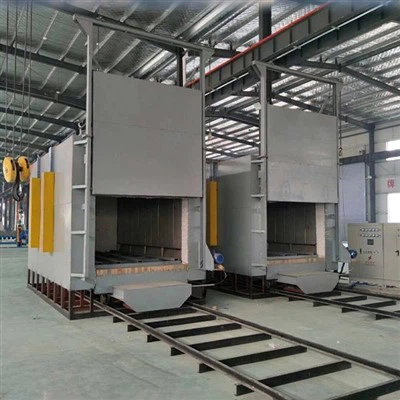
Box Type Roasting Furnace
Box type roasting furnaces are commonly used for small to medium - sized molds. They typically have a relatively simple design, which makes them easier to control in terms of pressure. However, due to their enclosed nature, proper ventilation is crucial to prevent pressure build - up. The heating system should be carefully calibrated to ensure uniform heating and pressure distribution inside the box.
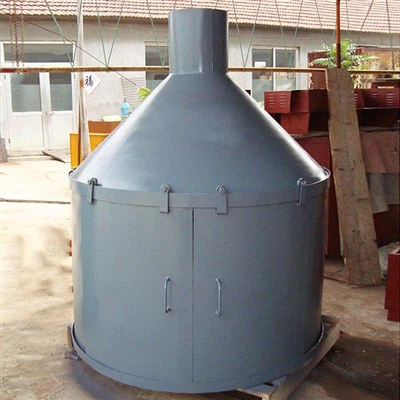
Through - type Shell Baking Furnace
Through - type shell baking furnaces are designed for continuous roasting of molds. They have a longer chamber, which allows for a continuous flow of molds through the furnace. Pressure control in through - type furnaces can be more challenging due to the continuous movement of the molds and the need to maintain a stable temperature and pressure along the entire length of the chamber. Special attention should be paid to the ventilation system at the entrance and exit of the furnace to prevent pressure fluctuations.
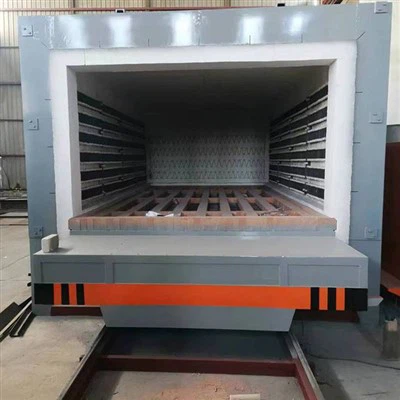
Box Type Shell Baking Furnace
Box type shell baking furnaces are similar to box type roasting furnaces but are specifically designed for shell molds. They often require a more precise pressure control to ensure the quality of the shell molds. The heating and ventilation systems should be optimized to provide a stable environment for the roasting process.
Monitoring and Feedback
To ensure effective pressure control, continuous monitoring is essential. Install pressure sensors inside the furnace to measure the pressure in real - time. These sensors can be connected to a control system that can automatically adjust the heating and ventilation systems based on the measured pressure. Additionally, regular maintenance and calibration of the pressure sensors are necessary to ensure accurate readings.
Conclusion
Controlling the pressure in a mold roasting furnace is a complex but essential task. By understanding the factors that affect pressure, implementing appropriate control strategies, and choosing the right type of furnace for your needs, you can ensure optimal performance, product quality, and safety. As a trusted supplier of mold roasting furnaces, we are committed to providing you with the best solutions and support for your pressure control requirements.
If you are interested in learning more about our mold roasting furnaces or have any questions regarding pressure control, we invite you to contact us for a detailed discussion. Our team of experts is ready to assist you in finding the most suitable furnace for your application and guiding you through the process of setting up and maintaining the ideal pressure levels.
References
- Smith, J. (2018). "Advanced Heat Treatment Furnace Technology". Industrial Heating Press.
- Johnson, A. (2020). "Pressure Control in High - Temperature Furnaces". Journal of Thermal Engineering, 15(3), 210 - 225.
- Brown, C. (2019). "Optimizing Furnace Performance through Ventilation and Pressure Management". Manufacturing Insights, 8(2), 45 - 52.