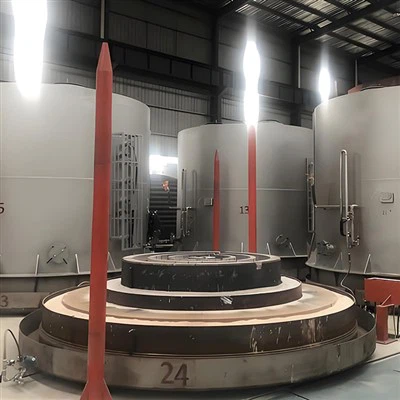
As a resistance furnace supplier, I often get asked about how to reduce the power consumption of these furnaces. It's a crucial topic, not just for cutting costs but also for being more environmentally friendly. In this blog, I'll share some practical tips and strategies that can help you achieve significant energy savings with your resistance furnace.
Understanding Resistance Furnaces
Before we dive into the ways to reduce power consumption, let's quickly go over what resistance furnaces are. Resistance furnaces work by converting electrical energy into heat through the use of resistive elements. There are different types of resistance furnaces, like the Box Type Resistance Furnace, Car-type Resistance Furnace, and Large Pit Type Resistance Furnace. Each type has its own unique features and applications, but they all share the common goal of heating materials efficiently.
Optimize Insulation
One of the most effective ways to reduce power consumption is to ensure your furnace has proper insulation. Good insulation helps to keep the heat inside the furnace, reducing the amount of energy needed to maintain the desired temperature. Over time, insulation can degrade, so it's important to regularly check and replace it if necessary.
- Choose High-Quality Insulation Materials: When installing or replacing insulation, opt for materials with high thermal resistance. These materials can significantly reduce heat loss and save energy in the long run.
- Seal Any Leaks: Even small leaks can lead to significant heat loss. Check for gaps around doors, windows, and other openings, and seal them with appropriate gaskets or sealants.
Control Temperature and Heating Cycles
Proper temperature control is key to reducing power consumption. By accurately setting and maintaining the right temperature, you can avoid overheating and unnecessary energy waste.
- Use a Programmable Thermostat: A programmable thermostat allows you to set different temperature levels for different times of the day. This way, you can reduce the temperature when the furnace is not in use or when lower temperatures are sufficient.
- Avoid Frequent On/Off Cycling: Constantly turning the furnace on and off can consume more energy than keeping it at a stable temperature. Try to minimize the number of start-stop cycles by using a well-designed control system.
Upgrade to Energy-Efficient Components
Upgrading some of the components in your resistance furnace can also lead to significant energy savings.
- Replace Old Heating Elements: Over time, heating elements can lose their efficiency. Replacing them with newer, more energy-efficient models can reduce power consumption and improve the overall performance of the furnace.
- Install a Variable Frequency Drive (VFD): A VFD can adjust the speed of the furnace's motor based on the actual load, reducing energy consumption during periods of low demand.
Maintain Your Furnace Regularly
Regular maintenance is essential for keeping your resistance furnace running efficiently.
- Clean the Furnace Regularly: Dust and debris can accumulate on the heating elements and other components, reducing their efficiency. Clean the furnace regularly to ensure optimal performance.
- Check and Calibrate Sensors: Sensors play a crucial role in controlling the temperature and other parameters of the furnace. Make sure they are working properly and calibrated regularly to ensure accurate readings.
Load Management
Proper load management can also help reduce power consumption.
- Avoid Overloading the Furnace: Overloading the furnace can cause it to work harder and consume more energy. Make sure to follow the manufacturer's guidelines for the maximum load capacity.
- Batch Process When Possible: Instead of running the furnace continuously for small batches, try to group similar jobs together and run them in batches. This can reduce the number of heating cycles and save energy.
Monitor and Analyze Energy Usage
Finally, it's important to monitor and analyze your furnace's energy usage regularly.
- Install an Energy Monitoring System: An energy monitoring system can provide real-time data on your furnace's energy consumption. This data can help you identify areas where you can make improvements and track the effectiveness of your energy-saving measures.
- Analyze Energy Bills: Regularly review your energy bills to see if there are any significant changes in your energy consumption. If you notice a sudden increase, it could indicate a problem with the furnace that needs to be addressed.
In conclusion, reducing the power consumption of a resistance furnace requires a combination of proper insulation, temperature control, component upgrades, regular maintenance, load management, and energy monitoring. By implementing these strategies, you can not only save money on your energy bills but also contribute to a more sustainable environment.
If you're interested in learning more about our resistance furnaces or need help with reducing the power consumption of your existing furnace, feel free to reach out to us for a consultation. We're here to help you find the best solutions for your specific needs.


References
- "Energy Efficiency in Industrial Furnaces." Department of Energy.
- "Handbook of Industrial Heating." Various Authors.