Hey there! As a supplier of carburizing furnaces, I often get asked if a carburizing furnace can be integrated into a production line. Well, the answer is a resounding yes! In this blog post, I'll walk you through the ins and outs of integrating a carburizing furnace into your production line, the benefits it brings, and some key considerations.


First off, let's talk about what a carburizing furnace does. A carburizing furnace is a specialized piece of equipment used in heat treatment processes to increase the carbon content on the surface of metal parts. This process enhances the hardness, wear resistance, and fatigue strength of the parts, making them suitable for a wide range of applications, from automotive components to aerospace parts.
Now, why would you want to integrate a carburizing furnace into your production line? There are several compelling reasons. For starters, it streamlines the production process. Instead of having to move parts between different locations for carburizing and other manufacturing steps, you can have a continuous flow within the production line. This not only saves time but also reduces the risk of damage or contamination that can occur during transportation.
Another major benefit is improved efficiency. When a carburizing furnace is integrated into the production line, it can be synchronized with other machines and processes. This means that you can optimize the overall production cycle, reducing idle time and increasing throughput. You can also better control the quality of the carburized parts since the entire process is more consistent and automated.
Cost savings are also significant. By integrating the furnace, you can reduce labor costs associated with handling and moving parts. Additionally, the increased efficiency and reduced waste lead to lower production costs in the long run.
So, how can you actually integrate a carburizing furnace into a production line? There are a few different ways, depending on the specific requirements of your production process.
One common approach is to use a conveyor system. The conveyor can transport the parts to and from the carburizing furnace, allowing for a smooth and continuous flow. You can also use robotic arms to load and unload the parts from the furnace, further automating the process.
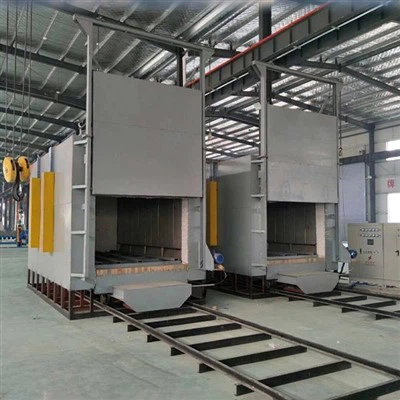
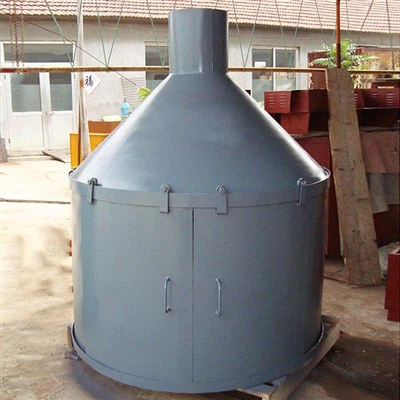
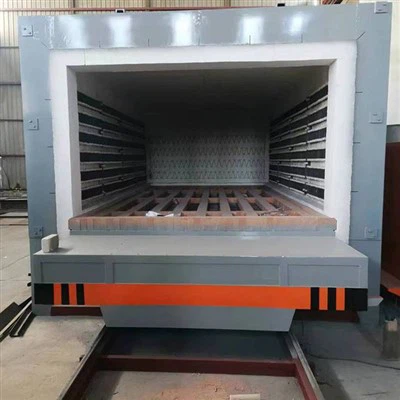
Another option is to use a modular design. Many of our carburizing furnaces, like the Box Type Gas Carburizing Furnace and the Carburizing Pit Furnace, are designed to be easily integrated into existing production lines. They can be customized to fit the space and requirements of your facility, and they can be connected to other equipment using standard interfaces.
When integrating a carburizing furnace, there are some key considerations you need to keep in mind. First of all, you need to ensure that the furnace is compatible with the other equipment in your production line. This includes things like the size and shape of the parts, the temperature and atmosphere requirements, and the control systems.
You also need to think about safety. Carburizing furnaces operate at high temperatures and use potentially hazardous gases. Make sure that you have proper safety measures in place, such as ventilation systems, emergency shut-off switches, and protective barriers.
Maintenance is another important factor. Regular maintenance is essential to keep the carburizing furnace running smoothly and to prevent breakdowns. You need to have a maintenance schedule in place and ensure that your staff is trained to perform basic maintenance tasks.
Let's take a look at some real - world examples of successful carburizing furnace integration. In the automotive industry, many manufacturers have integrated carburizing furnaces into their production lines to produce high - quality engine components. By doing so, they have been able to increase production speed, improve the quality of the parts, and reduce costs.
In the aerospace industry, where precision and quality are of utmost importance, integrating carburizing furnaces into the production line has allowed for better control of the heat treatment process. This has led to more reliable and durable parts, which is crucial for the safety and performance of aircraft.
If you're considering integrating a carburizing furnace into your production line, I highly recommend reaching out to us. We have a team of experts who can help you design a customized solution that meets your specific needs. Whether you need a small - scale furnace for a specialized production process or a large - scale system for high - volume production, we've got you covered.
We can also provide you with detailed technical specifications, installation support, and after - sales service. Our goal is to make the integration process as seamless as possible for you, so you can start reaping the benefits of a more efficient and productive production line.
In conclusion, integrating a carburizing furnace into a production line is not only possible but also highly beneficial. It offers numerous advantages in terms of efficiency, cost savings, and quality improvement. With the right approach and the right equipment, you can enhance your production process and stay competitive in the market.
So, if you're interested in learning more about how our carburizing furnaces can be integrated into your production line, don't hesitate to get in touch. We're here to answer your questions and help you make the best decision for your business.
References
- Heat Treatment Handbook: Volume 4 - Heat Treating, ASM International
- Principles of Heat Treatment of Steels, ASM International