In the realm of manufacturing, small - scale production has emerged as a significant player, offering flexibility, customization, and niche market penetration. As a supplier of Mold Roasting Furnaces, I often encounter inquiries from small - scale producers wondering if our furnaces are suitable for their operations. In this blog, I will delve into the feasibility of using a Mold Roasting Furnace for small - scale production, exploring its advantages, limitations, and key considerations.
Advantages of Using a Mold Roasting Furnace in Small - Scale Production
1. Customization
One of the most significant benefits of small - scale production is the ability to offer customized products. A Mold Roasting Furnace can be adjusted to meet specific temperature, time, and atmosphere requirements. For small - scale manufacturers who produce unique or specialized molds, this flexibility is invaluable. For example, if a company is creating custom - designed jewelry molds, the furnace can be set to the precise temperature needed to ensure the proper hardening and quality of the mold.
2. Quality Control
Small - scale production allows for more hands - on quality control. With a Mold Roasting Furnace, producers can closely monitor each batch of molds. They can adjust the roasting process in real - time based on visual inspections or test results. This level of control is often difficult to achieve in large - scale operations, where the focus is on high - volume production. By using a furnace, small - scale manufacturers can ensure that every mold meets their high - quality standards.
3. Cost - Efficiency
Contrary to popular belief, using a Mold Roasting Furnace can be cost - effective for small - scale production. While the initial investment in the furnace may seem significant, in the long run, it can save money. For instance, outsourcing the mold roasting process can be expensive, especially for small - scale producers who do not have the volume to negotiate favorable prices. By having an in - house furnace, they can eliminate these outsourcing costs and have more control over their production budget.
4. Quick Turnaround
Small - scale producers often need to respond quickly to market demands. A Mold Roasting Furnace enables them to roast molds on - site, reducing lead times. They can produce molds as needed, rather than waiting for an external supplier to complete the roasting process. This quick turnaround can give small - scale manufacturers a competitive edge in the market.
Types of Mold Roasting Furnaces Suitable for Small - Scale Production
Through - type Shell Baking Furnace
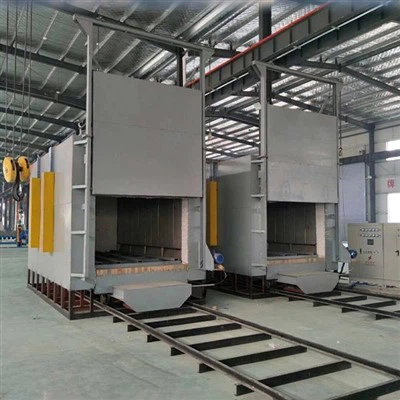
The Through - type Shell Baking Furnace is an excellent option for small - scale production. It offers a continuous roasting process, which can be efficient for small batches. The through - type design allows molds to pass through the furnace at a controlled speed, ensuring uniform roasting. This type of furnace is relatively compact and can be easily integrated into a small - scale production facility.
Box Type Roasting Furnace
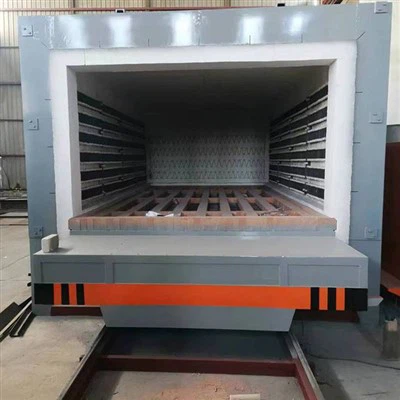
The Box Type Roasting Furnace is another suitable choice. It is ideal for small - scale operations that require batch - based roasting. The box design provides a sealed environment, which is beneficial for maintaining consistent temperature and atmosphere conditions. This type of furnace is easy to operate and can be used for a variety of mold sizes and materials.
Limitations and Challenges
1. Initial Investment
As mentioned earlier, the initial cost of purchasing a Mold Roasting Furnace can be a barrier for small - scale producers. In addition to the purchase price, there are also installation, training, and maintenance costs to consider. Small - scale businesses with limited capital may find it difficult to make this investment. However, it is important to view this as a long - term investment that can lead to cost savings and increased competitiveness.
2. Technical Expertise
Operating a Mold Roasting Furnace requires a certain level of technical expertise. Small - scale producers may not have in - house staff with the necessary knowledge and skills. This can lead to improper operation, which may affect the quality of the roasted molds. To overcome this challenge, we offer training programs for our customers to ensure they can operate the furnace safely and effectively.
3. Space Requirements
Even though there are compact furnace models available, a Mold Roasting Furnace still requires a certain amount of space in the production facility. Small - scale producers with limited floor space may find it difficult to accommodate the furnace. However, we can work with customers to recommend the most space - efficient furnace models based on their specific needs.


Key Considerations for Small - Scale Producers
1. Production Volume
Before investing in a Mold Roasting Furnace, small - scale producers need to assess their production volume. If the volume is very low, it may not be cost - effective to have an in - house furnace. On the other hand, if the production volume is expected to grow in the future, it may be a wise investment. We can help customers analyze their production volume and recommend the appropriate furnace capacity.
2. Mold Material and Size
Different mold materials and sizes require different roasting conditions. Small - scale producers need to consider the types of molds they will be producing. For example, some materials may require a higher temperature or a specific atmosphere during roasting. Our Mold Roasting Furnace can be customized to meet the specific requirements of different mold materials and sizes.
3. Energy Efficiency
Energy costs can be a significant factor in small - scale production. When choosing a Mold Roasting Furnace, producers should consider its energy efficiency. We offer furnaces with advanced insulation and heating technologies to minimize energy consumption. This not only reduces operating costs but also makes the production process more environmentally friendly.
Conclusion
In conclusion, a Mold Roasting Furnace can be a viable option for small - scale production. It offers numerous advantages, including customization, quality control, cost - efficiency, and quick turnaround. While there are some limitations and challenges, such as the initial investment, technical expertise, and space requirements, these can be overcome with proper planning and support.
If you are a small - scale producer interested in learning more about how a Mold Roasting Furnace can benefit your business, I encourage you to reach out to us. We have a team of experts who can provide you with detailed information, answer your questions, and help you choose the right furnace for your specific needs. Let's start a conversation about how we can work together to enhance your production process and achieve your business goals.
References
- ASM Handbook Committee. (20XX). Heat Treating. ASM International.
- Metals Handbook Committee. (20XX). Metals Handbook: Properties and Selection: Irons, Steels, and High - Performance Alloys. ASM International.