Hey there, folks! As a supplier of bell type furnaces, I'm stoked to share how these bad boys heat materials. Bell type furnaces are pretty cool pieces of equipment, and understanding how they work can help you decide if they're the right fit for your needs. So, let's dive in!
The Basics of a Bell Type Furnace
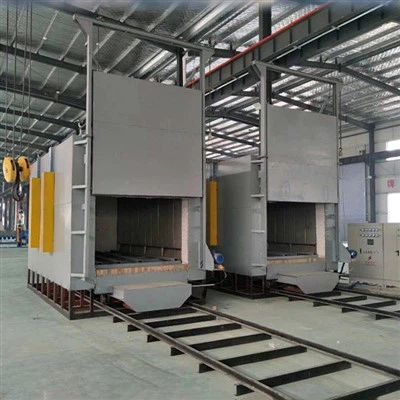
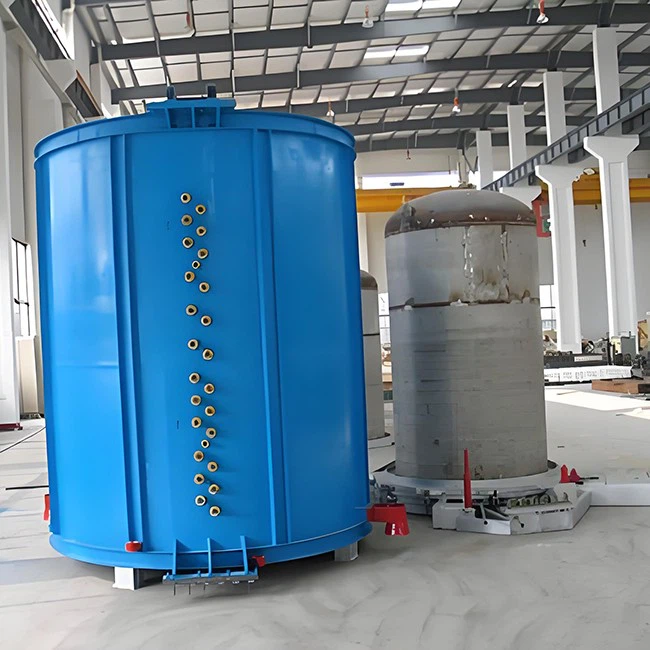
First off, what exactly is a bell type furnace? Well, it's a type of industrial furnace that consists of a stationary base and a removable bell-shaped cover. The materials to be heated are placed on the base, and then the bell is lowered over them to create a sealed chamber. This design allows for efficient heating and cooling cycles, making it ideal for a variety of heat treatment processes.
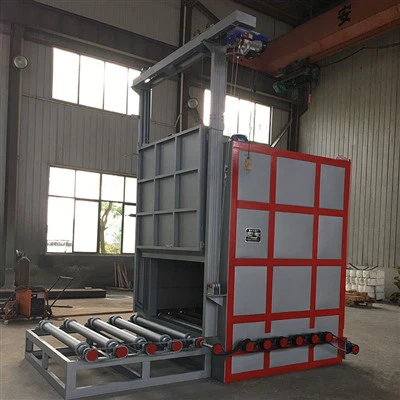
There are several types of bell type furnaces available, each with its own unique features and applications. For example, the Bell Type Resistance Furnace uses electric resistance heating elements to generate heat. This type of furnace is great for processes that require precise temperature control, such as annealing, tempering, and stress relieving.
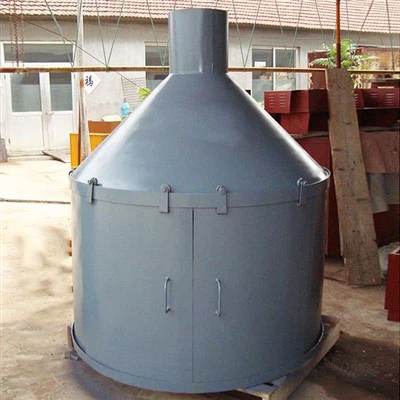
Another popular option is the Bell Type Bright Annealing Furnace. This furnace is designed to heat materials in a controlled atmosphere, which helps to prevent oxidation and maintain the surface finish of the materials. It's commonly used in the production of stainless steel, aluminum, and other metals that require a bright, clean surface.
If you need a more flexible heating solution, the Mobile Bell Type Furnace might be the way to go. As the name suggests, this furnace is designed to be mobile, allowing you to move it around your facility as needed. It's a great option for small-scale production or for applications where you need to heat materials in different locations.
How a Bell Type Furnace Heats Materials
Now that we know a little bit about the different types of bell type furnaces, let's take a closer look at how they actually heat materials. The heating process in a bell type furnace typically involves several steps:

- Loading the Materials: The first step is to place the materials to be heated on the base of the furnace. This can be done manually or using automated equipment, depending on the size and weight of the materials.
- Lowering the Bell: Once the materials are loaded, the bell-shaped cover is lowered over them to create a sealed chamber. The bell is usually made of a high-temperature-resistant material, such as steel or ceramic, to withstand the heat generated during the heating process.
- Heating the Chamber: Once the bell is in place, the heating elements are activated to start heating the chamber. The heating elements can be electric resistance heaters, gas burners, or a combination of both, depending on the type of furnace.
- Controlling the Temperature: As the chamber heats up, the temperature is carefully monitored and controlled to ensure that it reaches the desired level. This is typically done using a temperature controller, which adjusts the power output of the heating elements based on the temperature readings from thermocouples placed inside the chamber.
- Maintaining the Temperature: Once the desired temperature is reached, the heating elements are adjusted to maintain the temperature for a specified period of time. This is known as the soaking period, and it allows the materials to absorb the heat and reach a uniform temperature throughout.
- Cooling the Materials: After the soaking period is complete, the heating elements are turned off, and the chamber is allowed to cool down. The cooling process can be controlled to ensure that the materials cool at a specific rate, which is important for achieving the desired properties.
- Unloading the Materials: Once the chamber has cooled down to a safe temperature, the bell is lifted, and the materials are removed from the furnace. The materials are now ready for further processing or use.
Advantages of Using a Bell Type Furnace
There are several advantages to using a bell type furnace for heating materials. Here are just a few:
- Efficient Heating: The sealed chamber design of a bell type furnace allows for efficient heating and uniform temperature distribution, which helps to minimize energy consumption and reduce heating times.
- Flexibility: Bell type furnaces can be used for a variety of heat treatment processes, including annealing, tempering, stress relieving, and bright annealing. They can also be used to heat a wide range of materials, including metals, ceramics, and glass.
- Precise Temperature Control: Bell type furnaces are equipped with advanced temperature control systems that allow for precise temperature regulation. This helps to ensure that the materials are heated to the correct temperature and for the right amount of time, which is essential for achieving the desired properties.
- Easy to Operate: Bell type furnaces are relatively easy to operate and require minimal maintenance. They can be automated to reduce labor costs and improve productivity.
- Safe to Use: Bell type furnaces are designed with safety in mind. They are equipped with a variety of safety features, such as over-temperature protection, gas leak detection, and emergency shutdown systems, to ensure the safety of the operators and the equipment.
Conclusion
In conclusion, bell type furnaces are a versatile and efficient way to heat materials for a variety of applications. Whether you're looking for a precise heating solution for annealing or a mobile furnace for small-scale production, there's a bell type furnace out there that's right for you. As a supplier of bell type furnaces, we're committed to providing our customers with high-quality equipment and excellent customer service. If you're interested in learning more about our products or have any questions, please don't hesitate to contact us. We'd be happy to discuss your needs and help you find the perfect solution for your business.
References
- [Kazanas, D. C., & Ellison, D. C. (1986). Determination of regime and Eta for a bell - type furnace. Journal of Heat Transfer, 108(4), 810 - 816.]