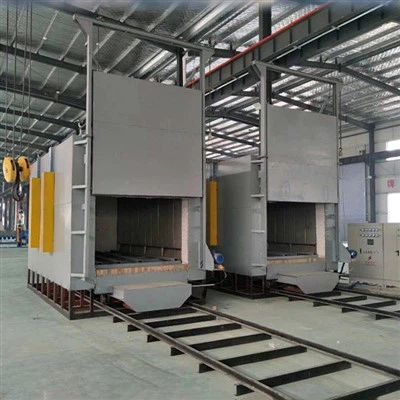
As a resistance furnace supplier, I often get asked about how to ensure the sealing performance of a vacuum resistance furnace. It's a crucial aspect, as proper sealing directly impacts the furnace's efficiency, the quality of the heat - treated products, and overall safety. In this blog, I'll share some practical tips and insights on this topic.
Understanding the Importance of Sealing in a Vacuum Resistance Furnace
First off, let's talk about why sealing is such a big deal. A vacuum resistance furnace operates under low - pressure conditions, and any air leakage can disrupt the vacuum environment. This can lead to oxidation of the materials being processed, which is a no - no in many high - precision applications. Also, air ingress can cause uneven heating, reducing the quality of the heat treatment and potentially damaging the furnace components over time.
Selecting the Right Sealing Materials
The choice of sealing materials is fundamental. You need materials that can withstand high temperatures, vacuum conditions, and chemical reactions. O - rings made of high - temperature - resistant rubber, like Viton, are commonly used for smaller openings. They offer good flexibility and can form a tight seal. For larger joints, metal gaskets such as copper or stainless - steel gaskets are preferred. Copper gaskets can conform well to irregular surfaces, while stainless - steel gaskets are more resistant to corrosion.
When choosing sealing materials, it's essential to consider the operating temperature range of the furnace. For example, if you're using a High Temperature Trolley Resistance Furnace that can reach extremely high temperatures, you'll need sealing materials that can handle those extreme conditions without degrading.
Proper Installation of Sealing Components
Even the best sealing materials won't work if they're not installed correctly. When installing O - rings, make sure the grooves are clean and free of any debris. Any small particles can prevent the O - ring from forming a proper seal. The O - ring should be lubricated with a suitable lubricant to ease the installation process and enhance the sealing performance.
For metal gaskets, proper torque is crucial. Over - tightening can damage the gasket, while under - tightening can result in a leaky seal. Use a torque wrench to ensure that the bolts are tightened to the manufacturer's recommended specifications. This is especially important in Car - type Resistance Furnace where large doors and joints need to be sealed effectively.
Regular Maintenance and Inspection
Regular maintenance is key to ensuring long - term sealing performance. Inspect the sealing components regularly for signs of wear, damage, or degradation. Replace any worn - out O - rings or gaskets immediately. A simple visual inspection can often detect early signs of problems, such as cracks or deformation in the sealing materials.
In addition to visual inspections, it's also a good idea to perform vacuum leak tests periodically. There are several methods for leak testing, such as the helium leak detection method. This method is highly sensitive and can detect even the smallest leaks. By regularly testing for leaks, you can catch problems before they become serious and affect the furnace's performance.
Design Considerations for Sealing
The design of the furnace itself plays a significant role in sealing performance. Minimize the number of openings and joints in the furnace design. Each opening is a potential source of leakage. For example, in a Large Pit Type Resistance Furnace, the design should be optimized to reduce the number of access points while still allowing for easy maintenance and operation.
Use smooth and flat surfaces for sealing joints. Rough surfaces can prevent a proper seal from forming. Machining the surfaces to the appropriate finish can significantly improve the sealing performance. Also, consider using double - seal designs in critical areas to provide an extra layer of protection against leakage.
Training and Operator Awareness
Last but not least, the operators of the vacuum resistance furnace need to be well - trained. They should understand the importance of proper sealing and how to handle the furnace in a way that doesn't compromise the seals. For example, operators should be careful when opening and closing furnace doors to avoid damaging the sealing components.
Regular training sessions can keep the operators updated on the latest maintenance procedures and best practices for ensuring sealing performance. This can go a long way in preventing unnecessary downtime due to sealing issues.
Conclusion
Ensuring the sealing performance of a vacuum resistance furnace is a multi - faceted task. It involves selecting the right sealing materials, proper installation, regular maintenance, smart design choices, and well - trained operators. By following these tips, you can significantly improve the sealing performance of your furnace, leading to better product quality, increased efficiency, and longer equipment lifespan.
If you're in the market for a high - quality resistance furnace or need more advice on sealing performance, don't hesitate to reach out. We're here to help you make the best choices for your specific needs. Let's start a conversation about your furnace requirements and how we can assist you in achieving optimal performance.


References
- "Handbook of Vacuum Technology"
- Manufacturer's manuals of various resistance furnaces