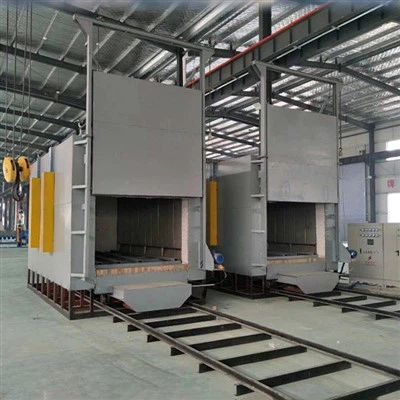
As a resistance furnace supplier, I understand the importance of reducing heat loss in resistance furnaces. Heat loss not only increases energy consumption but also affects the efficiency and performance of the furnace. In this blog, I will share some effective ways to reduce heat loss in resistance furnaces.
1. Insulation Materials
One of the most effective ways to reduce heat loss is to use high - quality insulation materials. Insulation materials act as a barrier, preventing heat from escaping the furnace. There are several types of insulation materials available for resistance furnaces:
- Ceramic Fiber Insulation: Ceramic fiber is a popular choice for high - temperature applications. It has low thermal conductivity, which means it can effectively reduce heat transfer. It is lightweight, easy to install, and can withstand high temperatures. For example, in a High Temperature Trolley Resistance Furnace, ceramic fiber insulation can be used to line the walls and roof of the furnace, significantly reducing heat loss.
- Refractory Bricks: Refractory bricks are another traditional insulation material. They are made of materials that can withstand high temperatures and have good insulating properties. Refractory bricks can be used to build the furnace lining. They are durable and can provide long - term insulation. In a Large Pit Type Resistance Furnace, refractory bricks can be used to line the pit, reducing heat loss to the surrounding environment.
- Insulating Wool: Insulating wool, such as rock wool or glass wool, can also be used for insulation. It is relatively inexpensive and easy to handle. Insulating wool can be used in combination with other insulation materials to enhance the insulation effect. In a Box Type Resistance Furnace, insulating wool can be placed between the outer shell and the inner lining to reduce heat loss.
2. Sealing
Proper sealing is crucial for reducing heat loss. Any gaps or openings in the furnace can allow heat to escape. Here are some aspects of sealing that need attention:
- Door Sealing: The furnace door is a major area where heat can escape. A good door seal should be installed to prevent heat leakage. This can be achieved by using high - temperature gaskets. These gaskets are made of materials that can withstand the high temperatures inside the furnace and provide a tight seal. Regular inspection and replacement of the gaskets are necessary to ensure their effectiveness.
- Pipe and Duct Sealing: If the furnace has pipes or ducts for ventilation or other purposes, they should be properly sealed. Leaks in pipes and ducts can lead to significant heat loss. Sealing materials such as high - temperature sealants can be used to seal the joints and connections of pipes and ducts.
3. Furnace Design
The design of the resistance furnace also plays an important role in reducing heat loss.
- Shape and Size: A well - designed furnace shape can minimize the surface area exposed to the outside environment. A compact furnace design reduces the amount of heat that can be lost through the outer surface. For example, a spherical or cylindrical furnace may have less surface area compared to a rectangular one of the same volume, resulting in less heat loss.
- Heat Distribution: Proper heat distribution within the furnace can also reduce heat loss. A well - designed heating element layout can ensure that the heat is evenly distributed throughout the furnace. This reduces the need for excessive heating in some areas, which can lead to heat loss. For instance, using multiple heating elements in a strategic pattern can improve heat distribution.
4. Temperature Control
Accurate temperature control is essential for reducing heat loss.
- Thermostats and Sensors: Installing high - quality thermostats and sensors can help maintain the desired temperature inside the furnace. These devices can detect the temperature accurately and adjust the heating power accordingly. By avoiding over - heating, heat loss can be reduced. For example, if the furnace is set to a specific temperature, the thermostat will turn off the heating element when the temperature reaches the set point and turn it on again when the temperature drops.
- PID Control: Proportional - Integral - Derivative (PID) control is a more advanced temperature control method. It can adjust the heating power based on the current temperature, the desired temperature, and the rate of temperature change. This allows for more precise temperature control and reduces heat loss caused by temperature fluctuations.
5. Maintenance
Regular maintenance of the resistance furnace is necessary to ensure its efficient operation and reduce heat loss.


- Inspection of Insulation: Periodically inspect the insulation materials for damage or wear. Any damaged insulation should be repaired or replaced immediately. For example, if the ceramic fiber insulation has been damaged due to mechanical stress or high - temperature exposure, it should be replaced to maintain its insulating properties.
- Cleaning of Heating Elements: The heating elements should be kept clean. Accumulated dirt or debris on the heating elements can reduce their efficiency and increase heat loss. Regular cleaning can ensure that the heating elements work at their optimal performance.
6. Monitoring and Optimization
Continuous monitoring of the furnace's performance can help identify areas where heat loss can be further reduced.
- Energy Consumption Monitoring: By monitoring the energy consumption of the furnace, we can analyze the relationship between energy input and heat output. If the energy consumption is higher than expected, it may indicate excessive heat loss. Based on the monitoring results, we can take appropriate measures to optimize the furnace's operation.
- Performance Optimization: Through continuous improvement and optimization of the furnace's operation parameters, such as temperature, heating time, and ventilation, we can reduce heat loss and improve the overall efficiency of the furnace.
In conclusion, reducing heat loss in resistance furnaces is a comprehensive task that involves choosing the right insulation materials, proper sealing, reasonable furnace design, accurate temperature control, regular maintenance, and continuous monitoring and optimization. As a resistance furnace supplier, we are committed to providing customers with high - quality furnaces and solutions to help them reduce heat loss and save energy.
If you are interested in our resistance furnaces or have any questions about reducing heat loss, please feel free to contact us for procurement and negotiation. We look forward to working with you to achieve better energy efficiency and performance in your industrial processes.
References
- Smith, J. (2018). High - Temperature Insulation Materials for Industrial Furnaces. Journal of Thermal Engineering, 12(3), 234 - 245.
- Johnson, A. (2019). Design and Optimization of Resistance Furnaces for Energy Efficiency. International Journal of Industrial Furnaces, 20(4), 112 - 125.
- Brown, C. (2020). Temperature Control Strategies for Resistance Furnaces. Proceedings of the International Conference on Industrial Heating, 345 - 356.