How to Improve the Heat - transfer Efficiency in a Tempering Furnace?
As a supplier of tempering furnaces, improving the heat - transfer efficiency in tempering furnaces is not only a technical challenge but also a key factor in enhancing the performance and competitiveness of our products. In this blog, I will share some effective ways to improve heat - transfer efficiency based on our years of experience and understanding of the industry.


1. Optimize Furnace Design
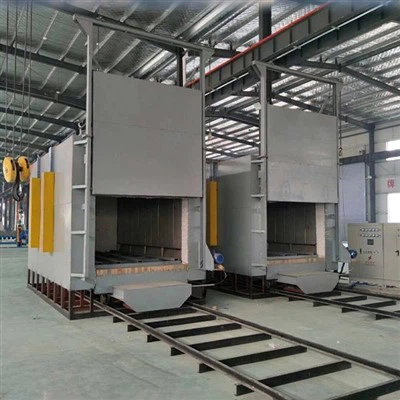
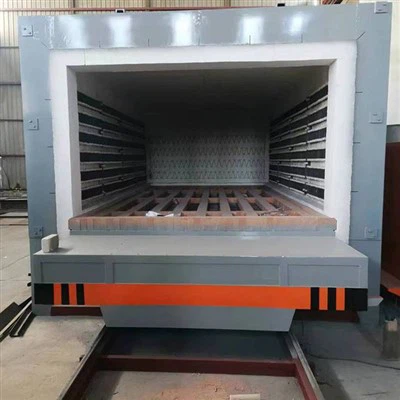
- Shape and Structure: The shape of the tempering furnace has a significant impact on heat transfer. For example, a well - designed box structure can ensure more uniform heat distribution. Our Box Type Tempering Furnace is designed with a reasonable internal space and structure to reduce heat loss and improve heat - transfer efficiency. The smooth inner walls can minimize the resistance to heat flow, making the heat transfer more efficient.
- Insulation Material: High - quality insulation materials are essential for reducing heat loss. We use advanced insulation materials with low thermal conductivity in our furnaces. These materials can effectively prevent heat from escaping to the outside, ensuring that most of the heat is concentrated inside the furnace for the tempering process. This not only improves energy utilization but also shortens the tempering time, thereby enhancing heat - transfer efficiency.
2. Select High - Performance Heating Elements
- Proper Heating Element Type: Different types of heating elements, such as electric resistance heating elements and gas heating elements, have different heat - transfer characteristics. Electric resistance heating elements are known for their high controllability and relatively fast heating speed. By choosing the right heating element according to the specific requirements of the tempering process, we can ensure efficient heat generation and transfer. For example, in some precision tempering applications, electric resistance heating elements are more suitable as they can provide accurate temperature control.
- Optimal Arrangement: The arrangement of heating elements in the furnace also affects heat - transfer efficiency. We design the layout of heating elements in a way that can achieve uniform heat distribution. For instance, in our Atmosphere Protection Box Type Tempering Furnace, the heating elements are evenly distributed around the inner wall of the furnace, which can quickly and evenly heat the workpieces inside.
3. Improve Air Circulation
- Install Blowers or Fans: Effective air circulation is crucial for uniform heat transfer. By installing blowers or fans in the tempering furnace, we can create forced air convection. This helps to carry the heat from the heating elements to all parts of the furnace and the workpieces. The moving air can also remove the cold air near the workpieces and replace it with hot air, speeding up the heat - transfer process.
- Optimize Airflow Path: Designing a proper airflow path is also important. We carefully design the inlet and outlet positions of the air in the furnace to ensure a smooth and effective airflow. In our Trolley Tempering Furnace, the airflow path is optimized to ensure that the hot air can reach every corner of the furnace and uniformly temper the workpieces on the trolley.
4. Control the Loading of Workpieces
- Proper Workpiece Spacing: If the workpieces are placed too closely together in the furnace, it will block the heat - transfer path and reduce the efficiency. We recommend leaving an appropriate space between workpieces to allow the hot air to circulate freely. This ensures that each workpiece can receive sufficient heat for tempering.
- Optimal Loading Quantity: Overloading the furnace can also affect heat - transfer efficiency. Too many workpieces in the furnace may cause uneven heating. Therefore, we need to determine the optimal loading quantity according to the size and heat - transfer capacity of the furnace. This can ensure that the furnace operates at its best performance and improves the overall heat - transfer efficiency.
5. Monitor and Control the Process Parameters
- Temperature Control: Precise temperature control is the key to efficient heat transfer. We use advanced temperature sensors and controllers to monitor and adjust the temperature in the furnace in real - time. Maintaining a stable and appropriate temperature during the tempering process can ensure that the heat is transferred to the workpieces effectively.
- Time Control: The tempering time also affects heat - transfer efficiency. If the tempering time is too short, the workpieces may not be fully tempered; if it is too long, it will waste energy. By accurately calculating and controlling the tempering time based on the type and size of the workpieces, we can achieve the best heat - transfer results.
In conclusion, improving the heat - transfer efficiency in a tempering furnace requires a comprehensive consideration of various factors, including furnace design, heating elements, air circulation, workpiece loading, and process parameters. As a tempering furnace supplier, we are committed to continuously improving our products and technologies to provide customers with more efficient and reliable tempering solutions.
If you are interested in our tempering furnaces or want to learn more about how to improve heat - transfer efficiency in your specific application, we welcome you to contact us for further discussion and procurement negotiation. We look forward to the opportunity to collaborate with you and help you improve your tempering process.
References
- Kaviany, M. (2013). Principles of heat transfer. Springer.
- Incropera, F. P., & DeWitt, D. P. (2002). Fundamentals of heat and mass transfer. Wiley.
- Holman, J. P. (2010). Heat transfer. McGraw - Hill.