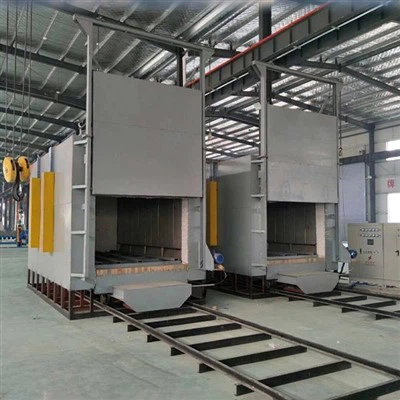
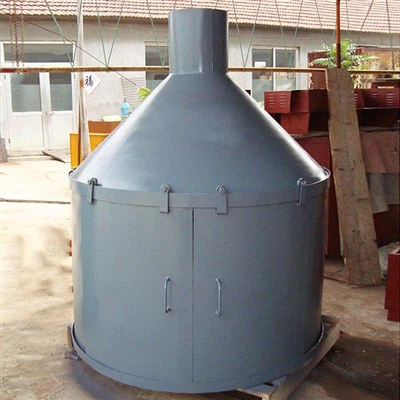
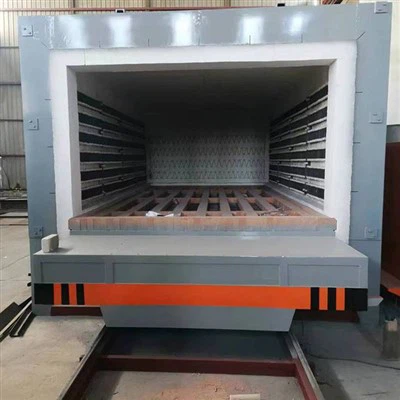
As a seasoned provider of box furnaces, I've witnessed firsthand the significance of keeping these crucial pieces of industrial equipment in top - notch condition. Over time, old box furnaces can experience a decline in performance, efficiency, and safety. Upgrading an old box furnace is not only a practical solution to these issues but also a cost - effective alternative to purchasing a brand - new unit. In this blog post, I'll guide you through the process of upgrading an old box furnace while emphasizing the benefits and considerations every customer should know.
Assessing the Furnace's Condition
Before embarking on any upgrade project, a thorough assessment of the box furnace's current state is essential. This step involves a comprehensive inspection to identify the furnace's weak points and areas that require attention. Check the overall structural integrity of the furnace, including the walls, doors, and insulation. Damaged insulation, for example, can lead to significant heat loss, reducing the furnace's energy efficiency and increasing operational costs.
Examine the heating elements. Over time, these elements can wear out, break, or become less efficient. A malfunctioning heating element can result in inconsistent temperatures within the furnace, which can be detrimental to the quality of the products being processed. Also, evaluate the control system. Outdated control systems may lack the precision and flexibility needed for modern industrial applications.
Upgrading the Insulation
One of the most impactful upgrades you can make to an old box furnace is to improve its insulation. High - quality insulation helps to minimize heat loss, which in turn reduces energy consumption and lowers operating costs. There are several types of insulation materials available, such as ceramic fiber blankets, refractory bricks, and calcium silicate boards.
Ceramic fiber blankets are a popular choice due to their low thermal conductivity and high - temperature resistance. They are lightweight and easy to install, making them suitable for retrofitting existing furnaces. Refractory bricks, on the other hand, offer excellent mechanical strength and long - term durability. They are ideal for applications where the furnace is subjected to high mechanical stress. Calcium silicate boards are known for their good insulation properties and resistance to moisture.
When upgrading the insulation, ensure that it is installed correctly to avoid gaps or air pockets. Proper installation will maximize the insulation's effectiveness and help maintain a stable internal temperature within the furnace.
Replacing the Heating Elements
Heating elements are the heart of a box furnace. Over time, they can deteriorate due to factors such as high temperatures, oxidation, and mechanical stress. Replacing old or damaged heating elements is crucial for restoring the furnace's performance.
There are different types of heating elements available, including nickel - chromium (Ni - Cr), molybdenum disilicide (MoSi₂), and silicon carbide (SiC). Ni - Cr elements are commonly used in medium - temperature applications, such as the Medium Temperature Box Furnace. They are relatively inexpensive and easy to replace.
MoSi₂ elements are suitable for high - temperature applications, offering excellent oxidation resistance and high power density. However, they are more expensive and require careful handling due to their brittleness. SiC elements are also used in high - temperature furnaces and are known for their high mechanical strength and long service life.
When selecting new heating elements, consider the specific requirements of your application, including the operating temperature, power density, and chemical environment. Ensure that the new elements are compatible with the furnace's electrical system.
Upgrading the Control System
An advanced control system can significantly enhance the functionality and precision of an old box furnace. Modern control systems offer features such as programmable temperature profiles, remote monitoring, and data logging.
Programmable temperature profiles allow you to set a specific temperature ramp - up and ramp - down rate, as well as hold times at different temperatures. This is particularly useful for applications such as heat treatment, where precise temperature control is critical for achieving the desired material properties.
Remote monitoring capabilities enable you to monitor the furnace's performance from anywhere, at any time. You can check the temperature, power consumption, and other operational parameters, making it easier to detect and address any issues promptly. Data logging functions provide a record of the furnace's performance over time, which can be used for quality control and process optimization.
When upgrading the control system, it's important to choose a system that is compatible with the existing furnace and can be easily integrated. A professional installer can help ensure a smooth transition and proper calibration of the new control system.
Safety Upgrades
Safety is of utmost importance when operating a box furnace. Upgrading the safety features of an old box furnace can help prevent accidents and protect your employees and equipment.
Install safety interlocks to ensure that the furnace cannot be operated when the door is open. This prevents accidental exposure to high temperatures and reduces the risk of burns. Additionally, consider adding over - temperature protection devices. These devices will automatically shut off the furnace if the temperature exceeds a pre - set limit, preventing damage to the furnace and the products being processed.
Fire detection and suppression systems can also be installed to provide an extra layer of protection in case of a fire. These systems can quickly detect the presence of fire and activate the appropriate suppression measures, minimizing the damage.
Additional Considerations for Specific Applications
If your box furnace is used in a specific application, such as aluminum annealing or oil heating, there are additional considerations for the upgrade process.
For an Aluminum Annealing Production Line, the upgrade should focus on achieving precise temperature control and uniformity within the furnace. This may involve the installation of advanced heating elements and a sophisticated control system. In addition, the furnace's atmosphere control may need to be improved to prevent oxidation of the aluminum during the annealing process.
In the case of an Oil Box Furnace, special attention should be paid to the safety of the oil heating process. Upgrades may include installing leak detection systems, improving ventilation to prevent the accumulation of flammable vapors, and ensuring that all electrical components are properly insulated to prevent electrical fires.


Conclusion
Upgrading an old box furnace is a wise investment that can improve performance, efficiency, and safety. By assessing the furnace's condition, upgrading the insulation, replacing the heating elements, upgrading the control system, and enhancing safety features, you can extend the lifespan of your furnace and optimize its operation for your specific needs.
If you're considering upgrading your old box furnace or have any questions about our products and services as a box furnace provider, we're here to help. Contact us for a detailed consultation and discover how we can tailor a personalized upgrade solution for you. Our team of experts has the knowledge and experience to guide you through the entire process, from assessment to installation.
References
- Kiln Technology Handbook by Nicholas P. Cheremisinoff
- Industrial Furnace Manual by C. C. Messer
It should be noted that you need to replace the linked website (https://www.ab.com) with the actual legal and available link, because currently "ab.com" is only a placeholder used for the purpose of this answer.