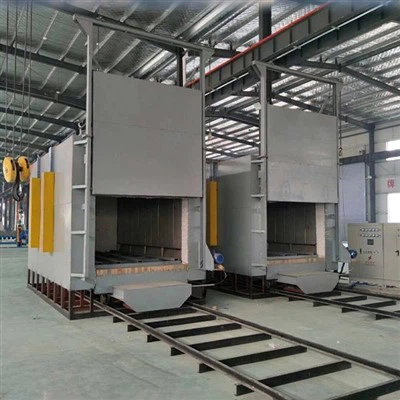
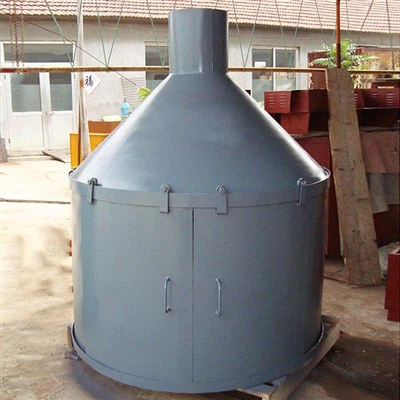
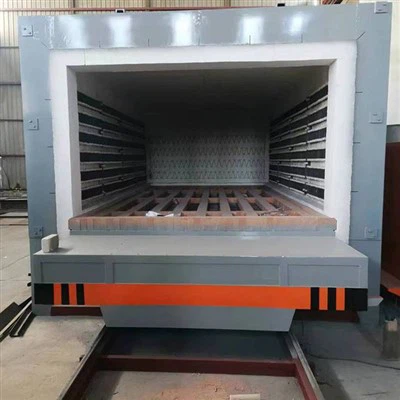
Hey there! As a supplier of crucible furnaces, I've seen my fair share of cracked crucibles, and let me tell you, it's not a fun situation. A cracked crucible can lead to all sorts of problems, from wasted materials to potential safety hazards. So, I thought I'd share some tips on how to prevent the crucible from cracking in a crucible furnace.
1. Choose the Right Crucible
First things first, picking the correct crucible is crucial. You gotta match the crucible to the type of material you're melting and the furnace you're using. Different materials have different melting points and chemical properties, so you need a crucible that can withstand those conditions.
For example, if you're melting aluminum, you might want to check out our Gas Crucible Aluminum Melting Furnace. It's designed to work well with aluminum, and using the right crucible for this furnace is a must. There are crucibles made specifically for aluminum melting, which are resistant to the high temperatures and the chemical reactions involved.
If you're into resistance melting, our Crucible Melting Resistance Furnace is a great option. And again, you need to choose a crucible that's compatible with the resistance - heating process. Some crucibles are made from materials like graphite or ceramic, and they have different properties when it comes to heat transfer and chemical stability.
2. Proper Installation
Once you've got the right crucible, you need to install it correctly in the furnace. This might sound like a no - brainer, but it's really important. Make sure the crucible is centered in the furnace and sits evenly on the support. If it's not properly centered, it can cause uneven heating, which can lead to cracking.
Also, check the fit between the crucible and the furnace. There should be enough space around the crucible for proper air circulation, but not so much that it can move around too much. A loose - fitting crucible can get jostled during the melting process, increasing the risk of cracks.
3. Pre - Heating and Cooling
Rapid temperature changes are a major cause of crucible cracking. You can't just throw a cold crucible into a hot furnace or take a red - hot crucible out and let it cool down super fast.
Before you start melting, pre - heat the crucible slowly. This allows the crucible to expand gradually and reduces the stress on the material. You can set the furnace to a low temperature and let the crucible heat up over a period of time.
After the melting process is done, it's important to cool the crucible slowly as well. Don't expose it to cold air or water right away. Let it cool down inside the furnace or in a well - insulated area. This gives the crucible time to contract gradually without causing cracks.
4. Control the Heating Rate
The rate at which you heat the crucible is also key. If you crank up the heat too quickly, the outer layer of the crucible will expand faster than the inner layer, creating internal stress. This stress can lead to cracks.
Most crucibles have a recommended heating rate. You should follow this rate closely. In our Tilting Crucible Melting Furnace, you can control the heating rate quite precisely. By adjusting the power input or the gas flow (depending on the type of furnace), you can ensure that the crucible heats up at a safe rate.
5. Avoid Overloading
Don't try to put more material in the crucible than it can handle. Overloading the crucible increases the pressure inside and can cause it to crack. Each crucible has a maximum capacity, and you should always stay within that limit.
When you're loading the crucible, make sure the material is evenly distributed. Uneven distribution can cause uneven heating and put extra stress on certain parts of the crucible.


6. Regular Inspection
Regularly inspecting the crucible is a good habit. Before each use, check for any visible cracks, chips, or signs of wear. If you notice any damage, it's better to replace the crucible right away. A small crack can quickly turn into a big problem during the melting process.
Also, after each use, take a close look at the crucible. Sometimes, there might be some subtle changes in the surface that could indicate potential issues. Catching these problems early can save you a lot of trouble in the long run.
7. Clean the Crucible Properly
Cleaning the crucible after each use is essential. Residual materials left in the crucible can react with the crucible material over time and weaken it. But you gotta be careful when cleaning. Don't use abrasive materials that can scratch the crucible.
You can use a soft brush and a mild cleaning agent to remove any debris. Make sure to dry the crucible thoroughly before the next use. Moisture can cause problems when the crucible is heated, so it's important to keep it dry.
8. Train Your Staff
If you have a team working with the crucible furnace, make sure they're properly trained. They should know all the tips I've mentioned above, from choosing the right crucible to proper handling and maintenance.
A well - trained staff can prevent a lot of crucible - related problems. They'll be more aware of the potential risks and how to avoid them.
In conclusion, preventing crucible cracking in a crucible furnace takes a combination of the right equipment, proper handling, and regular maintenance. By following these tips, you can significantly increase the lifespan of your crucibles and reduce the chances of costly interruptions in your melting process.
If you're looking for high - quality crucible furnaces or need more advice on how to keep your crucibles in good shape, don't hesitate to reach out for a purchase and negotiation. We're here to help you make the most of your melting operations.
References
- Industry best practices for crucible furnace operation
- Manufacturer's guidelines for crucible use and maintenance