In the dynamic landscape of industrial manufacturing, annealing furnaces play a pivotal role in enhancing the mechanical properties of metals and alloys. As a leading annealing furnace supplier, we are constantly at the forefront of technological innovation, striving to provide our customers with state-of-the-art solutions that meet the evolving demands of various industries. In this blog post, we will explore the latest technological advancements in annealing furnaces and how they are revolutionizing the heat treatment process.
Energy Efficiency Improvements
One of the most significant advancements in annealing furnace technology is the focus on energy efficiency. With rising energy costs and increasing environmental concerns, manufacturers are seeking ways to reduce their energy consumption without compromising on the quality of the heat treatment process. Modern annealing furnaces are designed with advanced insulation materials and energy-saving features to minimize heat loss and optimize energy utilization.
For instance, the use of high-performance insulation materials such as ceramic fiber blankets and refractory bricks helps to reduce heat transfer through the furnace walls, resulting in lower energy consumption. Additionally, advanced burner technologies, such as regenerative burners and low-NOx burners, are being employed to improve combustion efficiency and reduce emissions. These burners can recover and reuse heat from the exhaust gases, further enhancing the overall energy efficiency of the furnace.
Another energy-saving feature that is becoming increasingly popular in annealing furnaces is the use of variable frequency drives (VFDs) for the fans and pumps. VFDs allow for precise control of the motor speed, which can significantly reduce energy consumption by adjusting the airflow and water flow rates according to the actual requirements of the furnace. This not only saves energy but also extends the lifespan of the equipment by reducing wear and tear.
Automation and Control Systems
Automation and control systems have revolutionized the annealing process by providing precise control over the temperature, time, and atmosphere inside the furnace. Modern annealing furnaces are equipped with advanced programmable logic controllers (PLCs) and human-machine interfaces (HMIs) that allow operators to monitor and control the entire heat treatment process from a single control panel.
The PLCs can be programmed to follow specific heating and cooling profiles, ensuring consistent and repeatable results. They can also be integrated with sensors and actuators to automatically adjust the furnace parameters based on the real-time conditions inside the furnace. For example, if the temperature inside the furnace deviates from the setpoint, the PLC can automatically adjust the burner output or the airflow rate to bring the temperature back to the desired level.

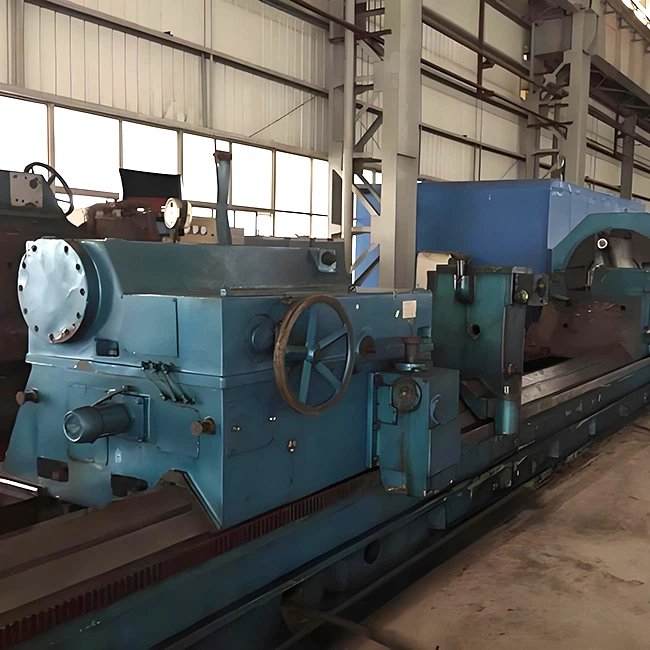
The HMIs provide a user-friendly interface for operators to interact with the furnace control system. They display real-time data such as temperature, pressure, and gas flow rates, as well as historical data and alarms. Operators can use the HMIs to set the desired process parameters, start and stop the furnace, and monitor the progress of the heat treatment process. Some HMIs also support remote access, allowing operators to monitor and control the furnace from a remote location using a computer or a mobile device.
In addition to the PLCs and HMIs, modern annealing furnaces are also equipped with advanced safety systems to protect the operators and the equipment. These safety systems include temperature sensors, pressure sensors, and gas detectors that can detect any abnormal conditions inside the furnace and automatically shut down the furnace to prevent accidents.
Advanced Atmosphere Control
The atmosphere inside the annealing furnace plays a crucial role in the quality of the heat treatment process. Different metals and alloys require different atmospheres to achieve the desired mechanical properties. For example, some metals require a reducing atmosphere to prevent oxidation, while others require an inert atmosphere to prevent contamination.
Modern annealing furnaces are equipped with advanced atmosphere control systems that allow for precise control of the gas composition and flow rate inside the furnace. These systems can use a variety of gases, such as nitrogen, hydrogen, argon, and carbon dioxide, to create the desired atmosphere. They can also be integrated with gas analyzers to continuously monitor the gas composition inside the furnace and adjust the gas flow rates accordingly.
One of the latest advancements in atmosphere control technology is the use of vacuum annealing furnaces. Vacuum annealing furnaces can create a near-perfect vacuum inside the furnace, which eliminates the need for a protective gas atmosphere. This not only simplifies the heat treatment process but also reduces the risk of contamination and oxidation. Vacuum annealing furnaces are particularly suitable for heat treating high-quality metals and alloys, such as stainless steel, titanium, and nickel-based alloys.
Advanced Heating Technologies
The heating system is the heart of an annealing furnace, and advancements in heating technology have significantly improved the performance and efficiency of modern annealing furnaces. Traditional annealing furnaces use electric resistance heating elements or gas burners to heat the furnace chamber. However, these heating methods have some limitations, such as uneven heating and slow heating rates.
To overcome these limitations, modern annealing furnaces are increasingly using advanced heating technologies, such as induction heating and infrared heating. Induction heating uses electromagnetic fields to heat the metal directly, which results in faster heating rates and more uniform heating. Induction heating is particularly suitable for heat treating small to medium-sized parts, as it can heat the parts quickly and efficiently without the need for a large furnace chamber.
Infrared heating uses infrared radiation to heat the metal indirectly. Infrared heating has several advantages over traditional heating methods, such as faster heating rates, more uniform heating, and lower energy consumption. Infrared heating is particularly suitable for heat treating large parts or continuous strips of metal, as it can heat the parts quickly and evenly over a large area.
Types of Annealing Furnaces
As an annealing furnace supplier, we offer a wide range of annealing furnaces to meet the diverse needs of our customers. Some of the most popular types of annealing furnaces include:
-
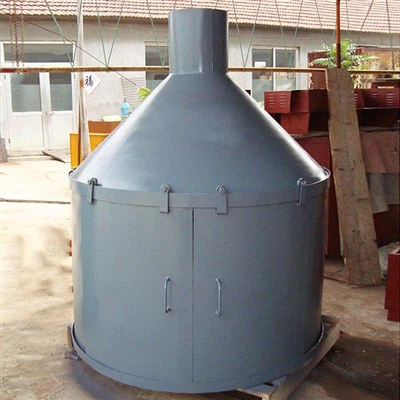
Pit Type Annealing Furnace: Pit type annealing furnaces are designed for heat treating large and heavy parts, such as forgings, castings, and steel coils. These furnaces are typically installed in a pit below the floor level, which allows for easy loading and unloading of the parts. Pit type annealing furnaces can be equipped with different heating systems, such as electric resistance heating elements or gas burners, and can be used for both batch and continuous heat treatment processes. Pit Type Annealing Furnace
-
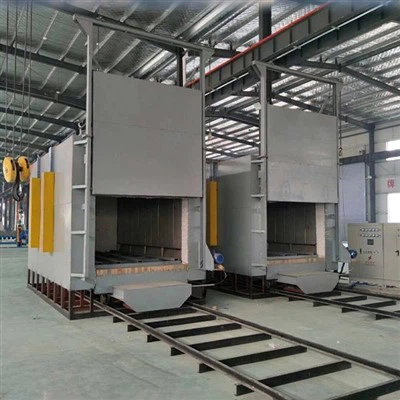
Trolley Type Vacuum Annealing Furnace: Trolley type vacuum annealing furnaces are designed for heat treating large and heavy parts in a vacuum environment. These furnaces are equipped with a trolley that can be moved in and out of the furnace chamber, which allows for easy loading and unloading of the parts. Trolley type vacuum annealing furnaces can be used for a variety of applications, such as heat treating stainless steel, titanium, and nickel-based alloys. Trolley Type Vacuum Annealing Furnace
-
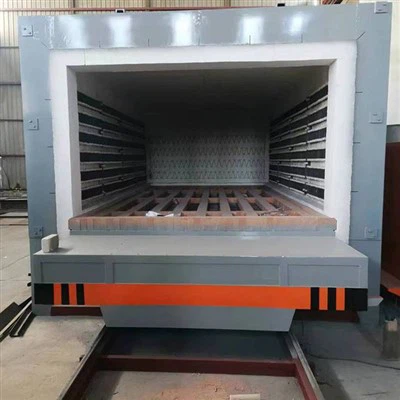
Roller Annealing Furnace: Roller annealing furnaces are designed for heat treating continuous strips of metal, such as steel, aluminum, and copper. These furnaces are equipped with a series of rollers that transport the strip through the furnace chamber. Roller annealing furnaces can be used for both batch and continuous heat treatment processes, and can be equipped with different heating systems, such as electric resistance heating elements or gas burners. Roller Annealing Furnace
Conclusion
The latest technological advancements in annealing furnaces have significantly improved the performance, efficiency, and quality of the heat treatment process. Energy efficiency improvements, automation and control systems, advanced atmosphere control, and advanced heating technologies are just some of the key trends that are shaping the future of annealing furnace technology.
As a leading annealing furnace supplier, we are committed to providing our customers with the latest and most advanced annealing furnace solutions. Our team of experts can work with you to understand your specific requirements and recommend the best annealing furnace for your application. Whether you need a pit type annealing furnace, a trolley type vacuum annealing furnace, or a roller annealing furnace, we have the expertise and experience to deliver a high-quality solution that meets your needs.
If you are interested in learning more about our annealing furnace products and services, or if you have any questions or inquiries, please do not hesitate to contact us. We look forward to working with you to help you achieve your heat treatment goals.
References
- Smith, J. (2020). Advances in Annealing Furnace Technology. Journal of Industrial Heating, 87(5), 22-27.
- Johnson, R. (2019). Energy Efficiency in Annealing Furnaces. Heat Treatment Technology, 36(3), 18-23.
- Brown, A. (2018). Automation and Control Systems in Annealing Furnaces. Industrial Furnace Magazine, 45(2), 32-37.