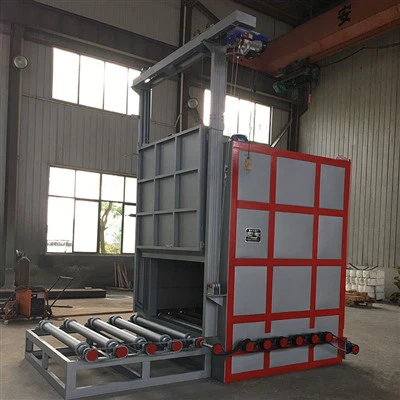
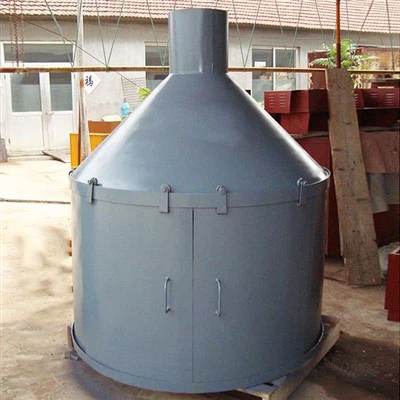
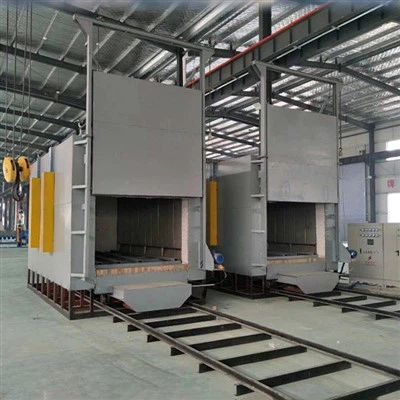
Operating a Mold Roasting Furnace demands strict adherence to safety precautions to prevent accidents and ensure the well - being of operators. As a supplier of Mold Roasting Furnaces, I understand the significance of these safety measures. In this blog, I will delve into the essential safety precautions that should be taken when operating a Mold Roasting Furnace.
Pre - operation Safety Checks
Before starting the Mold Roasting Furnace, a series of pre - operation safety checks are crucial. First and foremost, inspect the furnace's physical condition. Check for any visible signs of damage such as cracks in the furnace lining, loose wires, or damaged insulation. A damaged furnace lining can lead to heat leakage, which not only reduces the efficiency of the furnace but also poses a serious burn hazard to operators. Loose wires can cause electrical short - circuits, potentially resulting in fires or electrocution.
Verify the integrity of the ventilation system. A proper ventilation system is essential for removing harmful fumes and gases generated during the roasting process. These fumes may contain toxic substances such as carbon monoxide, sulfur dioxide, and particulate matter. If the ventilation system is not working correctly, these pollutants can accumulate in the working environment, endangering the health of operators. Ensure that the exhaust ducts are clean and unobstructed, and the fans are functioning properly.
Inspect the control panel and instrumentation. All gauges, switches, and sensors should be in good working condition. Incorrect readings from gauges can lead to improper operation of the furnace, such as over - heating or under - heating. Faulty switches can cause the furnace to malfunction or start unexpectedly. Check the calibration of temperature sensors regularly to ensure accurate temperature control.
Personal Protective Equipment (PPE)
Operators must wear appropriate Personal Protective Equipment (PPE) at all times when operating the Mold Roasting Furnace. Heat - resistant gloves are a must. These gloves protect the hands from burns caused by direct contact with hot surfaces or molten materials. They should be made of high - quality heat - resistant materials and fit properly to ensure maximum protection.
Safety glasses or goggles are essential to protect the eyes from flying debris, sparks, and hot particles. The glasses should have side shields to provide comprehensive protection. A face shield can also be worn in addition to safety glasses for added protection, especially when working close to the furnace opening.
Flame - resistant clothing should be worn to prevent burns from accidental splashes of molten materials or fires. The clothing should cover the entire body and be made of non - flammable materials. Steel - toed boots are necessary to protect the feet from heavy objects or hot materials that may fall.
Operating Procedures
Follow the manufacturer's operating instructions strictly. Each Mold Roasting Furnace has its own set of operating procedures, which are designed to ensure safe and efficient operation. Do not deviate from these instructions without consulting the manufacturer or a qualified technician.
When loading and unloading molds, use proper lifting equipment. Molds can be heavy and awkward to handle, and improper lifting can lead to back injuries or dropped objects. Use cranes, hoists, or forklifts as appropriate, and ensure that the lifting equipment is in good working condition.
During the roasting process, maintain a safe distance from the furnace opening. The heat and flames near the opening can cause severe burns. Do not reach into the furnace without proper protection. Use long - handled tools to adjust or remove molds if necessary.


Monitor the furnace operation continuously. Keep an eye on the temperature, pressure, and other operating parameters. If any abnormal readings are detected, stop the operation immediately and investigate the cause. Do not attempt to continue operation if there is a potential safety hazard.
Emergency Preparedness
Have an emergency plan in place. All operators should be familiar with the emergency procedures, including how to shut down the furnace in case of an emergency, how to evacuate the area, and how to use fire - fighting equipment.
Install fire - fighting equipment near the furnace. Fire extinguishers should be of the appropriate type for the potential fires in the furnace area, such as dry chemical or carbon dioxide extinguishers. Ensure that the fire extinguishers are regularly inspected and maintained.
Have a first - aid kit readily available. In case of minor injuries such as burns or cuts, immediate first - aid treatment can prevent the situation from worsening. Train operators on basic first - aid procedures.
Maintenance and Inspection
Regular maintenance and inspection of the Mold Roasting Furnace are essential for its safe operation. Schedule routine maintenance checks by a qualified technician. During these checks, the furnace should be thoroughly inspected, and any worn - out or damaged parts should be replaced.
Clean the furnace regularly. Remove any accumulated debris, dust, or slag from the furnace interior, heating elements, and ventilation system. This not only improves the efficiency of the furnace but also reduces the risk of fires and malfunctions.
Keep a maintenance log. Record all maintenance activities, including inspections, repairs, and part replacements. This log can help track the history of the furnace and identify any recurring problems.
Special Considerations for Different Types of Furnaces
In addition to the general safety precautions, there are some special considerations for different types of roasting furnaces. For example, the Box Type Roasting Furnace has a relatively enclosed structure. When operating this type of furnace, pay special attention to the air circulation inside the box. Ensure that there is enough fresh air supply to prevent the build - up of harmful gases.
The Box Type Shell Baking Furnace is often used for baking shells. When loading and unloading the shells, be careful not to damage the furnace interior or the heating elements. Also, ensure that the shells are properly placed to avoid uneven heating and potential safety hazards.
Conclusion
Safety is of utmost importance when operating a Mold Roasting Furnace. By following the pre - operation safety checks, wearing appropriate PPE, following correct operating procedures, being prepared for emergencies, and conducting regular maintenance, the risk of accidents can be significantly reduced. As a supplier of Mold Roasting Furnaces, we are committed to providing high - quality products and also to sharing safety knowledge with our customers.
If you are interested in purchasing a Mold Roasting Furnace or have any questions regarding safety or operation, please feel free to contact us for further discussion and negotiation. We are here to assist you in making the best choice for your business.
References
- Industrial Furnace Safety Guidelines, National Institute for Occupational Safety and Health (NIOSH)
- Safety Standards for Heat - Treatment Furnaces, American National Standards Institute (ANSI)
- Best Practices in Furnace Operation and Maintenance, International Association of Heat Treating and Surface Engineering (IAHSS)