When it comes to the nitriding process, a nitriding furnace is an indispensable piece of equipment. As a nitriding furnace supplier, I understand that potential buyers are not only interested in the initial purchase price but also the long - term maintenance costs. In this blog, I will delve into the various factors that contribute to the maintenance costs of a nitriding furnace.
1. Equipment Wear and Tear
One of the primary contributors to maintenance costs is the wear and tear of the furnace components. Over time, parts such as heating elements, insulation materials, and fans will degrade due to continuous use at high temperatures.
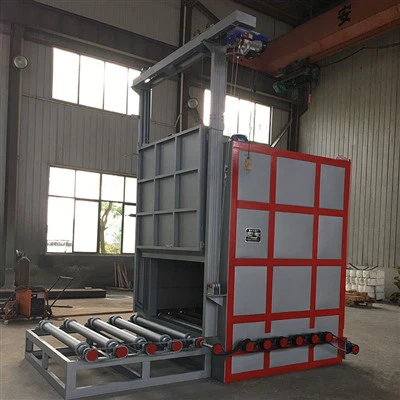
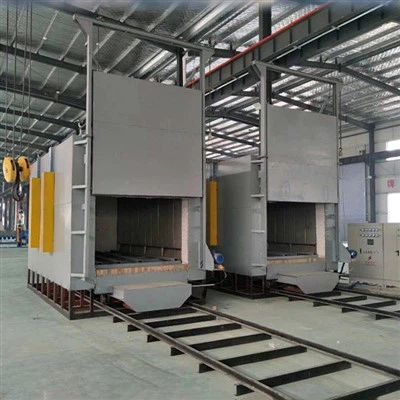
Heating elements are crucial for generating the necessary heat for the nitriding process. In a nitriding furnace, they are often subjected to extreme heat, which can cause them to break down or lose their efficiency. Replacing heating elements can be quite expensive, depending on the type and size of the furnace. For example, in a large - scale industrial Pit Type Nitriding Furnace, the heating elements may need to be replaced every few years, and the cost can run into thousands of dollars.
Insulation materials also play a vital role in maintaining the temperature inside the furnace. As they age, they may lose their insulating properties, leading to heat loss. This not only increases energy consumption but also puts additional stress on the heating elements. Replacing insulation materials requires both the cost of the materials themselves and the labor for installation.
Fans are used to circulate the gases inside the furnace to ensure uniform nitriding. The bearings in the fans can wear out over time, and the blades may become damaged. Regular inspection and replacement of fan components are necessary to keep the furnace operating smoothly.
2. Energy Consumption
Energy consumption is a significant part of the long - term cost of operating a nitriding furnace. The type of furnace and its efficiency have a direct impact on how much energy it uses.
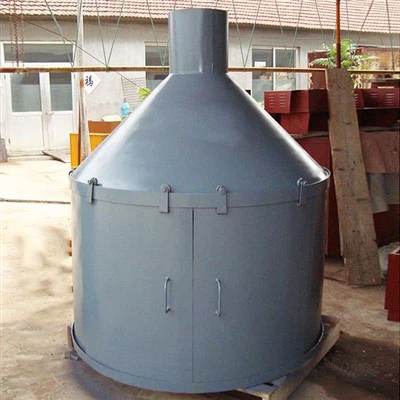
Vacuum nitriding furnaces, such as the Vacuum Nitriding Furnace, generally require more energy to create and maintain a vacuum environment. However, they can offer more precise control over the nitriding process, which may result in better - quality products. On the other hand, pit - type nitriding furnaces may have different energy consumption patterns based on their size and design.
To reduce energy costs, it is essential to ensure that the furnace is well - maintained. A furnace with proper insulation will lose less heat, reducing the amount of energy needed to maintain the desired temperature. Regular cleaning of the heating elements can also improve their efficiency, as a dirty element may require more energy to reach the same temperature.
3. Gas Consumption
Nitriding processes typically involve the use of gases such as ammonia or nitrogen. The consumption of these gases is another factor in the maintenance costs.
The amount of gas used depends on the size of the furnace, the nitriding process parameters, and the frequency of operation. For example, a larger furnace will generally require more gas to fill the chamber. Additionally, if the furnace has a high leakage rate, more gas will be needed to maintain the required gas concentration inside the furnace.
Regular inspection and maintenance of the gas supply system are necessary to ensure that there are no leaks. A leaky gas system not only increases gas consumption but also poses safety risks. Replacing faulty valves, seals, and pipes in the gas supply system can help reduce gas waste and lower costs.
4. Labor Costs
Labor costs are an important part of the maintenance expenses. Skilled technicians are required to perform regular inspections, repairs, and maintenance tasks on the nitriding furnace.
Inspections should be carried out at regular intervals to check for any signs of wear, damage, or malfunction. These inspections may include checking the electrical systems, gas connections, and mechanical components. If any issues are detected, the technicians will need to perform repairs or replacements.
The complexity of the furnace also affects the labor costs. For example, a Nitrogen Protection Copper Bright Annealing Furnace may have more complex control systems and processes, requiring technicians with specialized knowledge and skills. Training technicians to operate and maintain these advanced furnaces can also add to the overall cost.
5. Calibration and Testing
To ensure the accuracy and reliability of the nitriding process, regular calibration and testing of the furnace are necessary.
Calibration of temperature sensors, pressure gauges, and gas flow meters is crucial to ensure that the furnace operates within the specified parameters. Incorrect calibration can lead to inconsistent nitriding results, which may result in product defects. The cost of calibration equipment and the time spent by technicians to perform the calibration are part of the maintenance costs.
Testing of the nitrided products is also an important step. This may involve hardness testing, microstructure analysis, and other quality control measures. The cost of testing equipment and the labor for conducting these tests should be considered when calculating the total maintenance costs.
6. Safety and Environmental Compliance
Maintaining a nitriding furnace also involves ensuring compliance with safety and environmental regulations.
Safety features such as emergency stop buttons, pressure relief valves, and gas leak detectors need to be regularly inspected and maintained to ensure the safety of the operators. Failure to comply with safety regulations can result in fines and legal issues.
Environmental regulations regarding gas emissions and waste disposal also need to be followed. For example, the disposal of spent gases and any waste materials generated during the nitriding process must be done in an environmentally friendly manner. This may require the installation of additional equipment or the use of specialized waste disposal services, which add to the maintenance costs.
Conclusion
In conclusion, the maintenance costs of a nitriding furnace are influenced by multiple factors, including equipment wear and tear, energy and gas consumption, labor costs, calibration and testing, and safety and environmental compliance. As a nitriding furnace supplier, I can provide customers with detailed information about the expected maintenance costs based on the specific type and model of the furnace they choose.
If you are considering purchasing a nitriding furnace, it is important to take these maintenance costs into account when making your decision. By understanding the long - term costs, you can make a more informed choice and ensure that your investment in a nitriding furnace is cost - effective in the long run.
If you have any further questions about nitriding furnaces or would like to discuss your specific requirements, please feel free to contact us. We are here to assist you in finding the best nitriding furnace solution for your business and to provide ongoing support for its maintenance.


References
- ASM Handbook, Volume 4: Heat Treating, ASM International
- Heat Treating Principles and Processes, by R. C. Reed - Hill and Robert Abbaschian
- Industrial Furnaces: Principles, Design, and Operation, by J. A. Chalmers