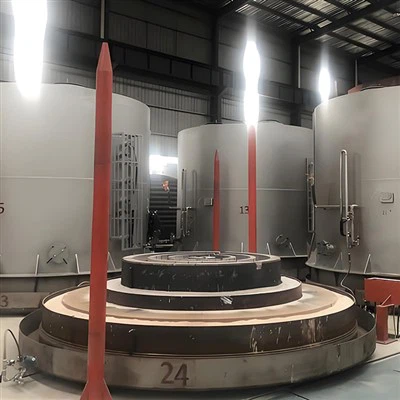
Hey there! As a supplier of rapid quenching furnaces, I've seen firsthand the challenges that come with using these powerful machines. Rapid quenching furnaces are essential in many industries, from metalworking to materials science, but they also have their limitations. In this blog post, I'll share some tips on how to overcome these limitations and get the most out of your rapid quenching furnace.
Understanding the Limitations
Before we dive into solutions, let's take a quick look at some of the common limitations of rapid quenching furnaces.
Temperature Uniformity
One of the biggest challenges with rapid quenching furnaces is achieving uniform temperature distribution. In a large furnace, there can be significant temperature variations between different parts of the chamber. This can lead to uneven quenching, which affects the quality and properties of the treated materials.
Quenching Speed
The speed at which the material is quenched is crucial for achieving the desired material properties. However, rapid quenching furnaces may not always be able to provide a consistent and fast enough quenching speed, especially for large or complex-shaped workpieces.
Energy Consumption
Rapid quenching furnaces are energy-intensive machines. High energy consumption not only increases operating costs but also has environmental implications. Finding ways to reduce energy usage without sacrificing performance is a major concern for many users.
Maintenance and Downtime
Like any industrial equipment, rapid quenching furnaces require regular maintenance. However, maintenance can be time-consuming and may result in significant downtime, which can disrupt production schedules.
Overcoming the Limitations
Improving Temperature Uniformity
To address temperature uniformity issues, you can invest in advanced heating systems. For example, using multiple heating elements strategically placed throughout the furnace chamber can help distribute heat more evenly. Additionally, installing fans or blowers to circulate the hot air can further improve temperature distribution.
Another option is to use temperature sensors and controllers. These devices can monitor the temperature in different parts of the furnace and adjust the heating elements accordingly to maintain a consistent temperature.


Enhancing Quenching Speed
To improve quenching speed, you can optimize the quenching medium. Different quenching media, such as oil, water, or gas, have different cooling rates. Choosing the right quenching medium for your specific application is crucial. For example, water has a high cooling rate but may cause distortion in some materials, while oil provides a more moderate cooling rate and is suitable for many metal alloys.
You can also consider upgrading the quenching system. Some modern rapid quenching furnaces are equipped with advanced quenching nozzles or spray systems that can provide a more uniform and rapid cooling effect.
Reducing Energy Consumption
There are several ways to reduce energy consumption in rapid quenching furnaces. One approach is to improve insulation. Using high-quality insulation materials can minimize heat loss from the furnace, reducing the amount of energy needed to maintain the desired temperature.
Another strategy is to implement energy management systems. These systems can monitor and control the energy usage of the furnace, adjusting the heating and cooling cycles based on the actual demand. For example, they can automatically reduce the power output during idle periods or when the furnace is not fully loaded.
Minimizing Maintenance and Downtime
Regular preventive maintenance is key to minimizing downtime. Develop a comprehensive maintenance schedule that includes tasks such as cleaning the furnace, inspecting the heating elements, and checking the quenching system. By identifying and addressing potential issues early, you can prevent major breakdowns and reduce the need for unscheduled maintenance.
You can also invest in spare parts and have them readily available. This way, if a component fails, you can quickly replace it and get the furnace back up and running in a short time.
Our Product Solutions
At our company, we offer a range of rapid quenching furnaces designed to overcome these limitations. For example, our Natural Gas Rapid Quenching Furnace is equipped with advanced heating technology to ensure uniform temperature distribution. It also uses natural gas as a fuel source, which is not only cost-effective but also more environmentally friendly compared to some other fuels.
Our Forklift Type Rapid Quenching Furnace is designed for easy loading and unloading of workpieces, reducing the time and effort required for material handling. It also features a high-performance quenching system that provides fast and uniform quenching.
Conclusion
Overcoming the limitations of a rapid quenching furnace requires a combination of advanced technology, proper maintenance, and smart operational practices. By implementing the strategies mentioned above, you can improve the performance, efficiency, and reliability of your rapid quenching furnace.
If you're in the market for a rapid quenching furnace or looking to upgrade your existing equipment, we'd love to have a chat. We can provide you with more detailed information about our products and how they can meet your specific needs. Don't hesitate to reach out to us for a free consultation and start exploring the possibilities of enhancing your heat treatment processes.
References
- Smith, J. (2020). "Advances in Rapid Quenching Furnace Technology." Journal of Industrial Heating, 45(2), 34-41.
- Johnson, A. (2019). "Energy Efficiency in Heat Treatment Furnaces." International Journal of Energy Management, 12(3), 112-120.
- Brown, K. (2018). "Maintenance Strategies for Rapid Quenching Furnaces." Industrial Equipment Maintenance Review, 22(4), 56-63.