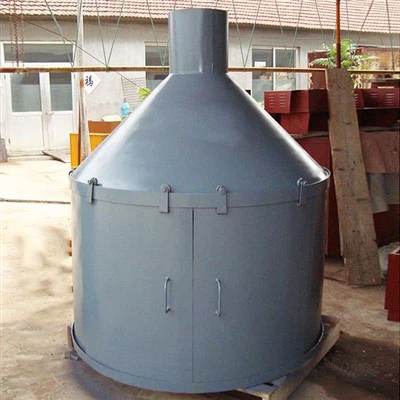
Ensuring the long - term stability of a Box Type Aging Furnace is crucial for both the efficiency of the heat - treatment process and the overall productivity of a manufacturing facility. As a Box Type Aging Furnace supplier, I have witnessed firsthand the importance of maintaining these furnaces to ensure they operate at peak performance over an extended period. In this blog, I will share some key strategies and best practices to achieve long - term stability for Box Type Aging Furnaces.
1. Regular Maintenance and Inspection
Regular maintenance is the cornerstone of ensuring the long - term stability of a Box Type Aging Furnace. This includes routine inspections of all components, such as heating elements, thermocouples, fans, and control systems. By conducting regular inspections, potential issues can be identified and addressed before they escalate into major problems.
- Heating Elements: The heating elements are responsible for generating the heat required for the aging process. Over time, these elements can degrade due to high temperatures and electrical stress. Regularly check the heating elements for signs of damage, such as cracks or breaks. Replace any damaged elements promptly to maintain consistent heating performance.
- Thermocouples: Thermocouples are used to measure the temperature inside the furnace. Inaccurate temperature readings can lead to inconsistent aging results. Calibrate the thermocouples regularly to ensure accurate temperature control. Replace any thermocouples that are malfunctioning.
- Fans: The fans in the Box Type Aging Furnace are responsible for circulating the hot air evenly throughout the chamber. Check the fans for proper operation, including blade condition and motor performance. Clean the fans regularly to remove any dust or debris that may affect their efficiency.
- Control Systems: The control system of the furnace is responsible for regulating the temperature, time, and other parameters of the aging process. Regularly check the control system for proper functioning, including software updates and calibration. Ensure that the control system is programmed correctly to meet the specific requirements of the aging process.
2. Proper Installation and Commissioning
Proper installation and commissioning are essential for the long - term stability of a Box Type Aging Furnace. A poorly installed furnace can lead to a variety of problems, including uneven heating, energy inefficiency, and premature component failure.
- Site Preparation: Before installing the furnace, ensure that the installation site is clean, level, and well - ventilated. The site should be able to support the weight of the furnace and provide adequate space for maintenance and operation.
- Installation by Professionals: Hire experienced professionals to install the furnace. They have the knowledge and skills to ensure that the furnace is installed correctly, including proper electrical connections, gas lines (if applicable), and ventilation systems.
- Commissioning Process: After installation, conduct a thorough commissioning process to ensure that the furnace is operating correctly. This includes testing all components, calibrating the control system, and verifying the temperature uniformity inside the chamber.
3. Operator Training
Proper operator training is crucial for the long - term stability of a Box Type Aging Furnace. Operators should be trained on how to operate the furnace safely and efficiently, including how to set the correct temperature, time, and other parameters.
- Safety Training: Provide operators with comprehensive safety training, including how to handle the furnace safely, how to use personal protective equipment, and how to respond to emergencies.
- Operation Training: Train operators on how to operate the furnace, including how to start and stop the furnace, how to adjust the temperature and time settings, and how to monitor the furnace during operation.
- Maintenance Training: Provide operators with basic maintenance training, including how to perform routine inspections, how to clean the furnace, and how to identify and report potential problems.
4. Quality of Materials and Components
The quality of the materials and components used in the Box Type Aging Furnace can have a significant impact on its long - term stability. Using high - quality materials and components can reduce the risk of premature failure and ensure reliable operation.
- Heating Elements: Choose heating elements made of high - quality materials, such as nichrome or kanthal, which can withstand high temperatures and electrical stress.
- Insulation Materials: Use high - quality insulation materials to minimize heat loss and improve energy efficiency. Insulation materials should have good thermal resistance and be able to withstand the high temperatures inside the furnace.
- Control Systems: Select control systems from reputable manufacturers that offer reliable performance and advanced features. The control system should be easy to use and provide accurate temperature and time control.
5. Monitoring and Data Analysis
Monitoring the performance of the Box Type Aging Furnace and analyzing the data can help identify potential problems and optimize the operation of the furnace.
- Temperature Monitoring: Install temperature sensors inside the furnace to monitor the temperature at different locations. This can help ensure that the temperature is uniform throughout the chamber and identify any hot or cold spots.
- Energy Consumption Monitoring: Monitor the energy consumption of the furnace to identify any inefficiencies. Analyze the energy consumption data to determine if there are any opportunities to reduce energy usage, such as adjusting the temperature settings or improving the insulation.
- Performance Analysis: Analyze the performance data of the furnace, such as temperature uniformity, heating rate, and aging time, to identify any trends or patterns. Use this information to optimize the operation of the furnace and improve the quality of the aging process.
6. Upgrades and Modernization
As technology advances, it may be necessary to upgrade or modernize the Box Type Aging Furnace to improve its performance and efficiency.
- Control System Upgrades: Upgrade the control system of the furnace to take advantage of the latest technology and features. This can include improving the temperature control accuracy, adding advanced programming capabilities, and integrating the furnace with other manufacturing systems.
- Heating Element Upgrades: Upgrade the heating elements to more efficient and durable models. This can improve the heating performance of the furnace and reduce energy consumption.
- Insulation Upgrades: Upgrade the insulation materials of the furnace to improve its energy efficiency. This can reduce heat loss and lower the operating costs of the furnace.
Related Products
If you are interested in other types of aging furnaces, we also offer Trolley Type Aluminum Alloy Aging Furnace and Pit Type Aluminum Alloy Aging Furnace. Our Aluminum Aging Furnace is also a popular choice for many customers.
Conclusion
Ensuring the long - term stability of a Box Type Aging Furnace requires a comprehensive approach that includes regular maintenance, proper installation, operator training, high - quality materials, monitoring, and upgrades. By following these strategies and best practices, you can ensure that your Box Type Aging Furnace operates at peak performance over an extended period, providing reliable and consistent results for your heat - treatment process.
If you are interested in purchasing a Box Type Aging Furnace or need more information about our products and services, please feel free to contact us for procurement and negotiation. We are committed to providing high - quality products and excellent customer service to meet your needs.


References
- ASM Handbook, Volume 4: Heat Treating. ASM International.
- Industrial Furnaces: Principles, Design, and Operation. John Wiley & Sons.
- Heat Treatment Furnaces: Design, Control, and Operation. CRC Press.