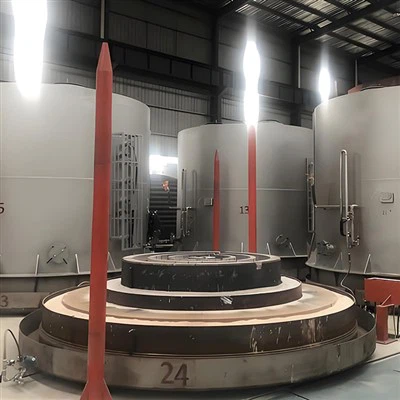
Dealing with impurities during the roasting process in a Mold Roasting Furnace is a critical aspect of ensuring high - quality roasting results. As a supplier of Mold Roasting Furnaces, I understand the challenges and complexities involved in this process. In this blog, I will share some effective strategies to handle impurities during the roasting process.
Understanding the Sources of Impurities
Before we can deal with impurities, it's essential to understand where they come from. Impurities in the roasting process can originate from multiple sources. Firstly, the raw materials used in the mold - making process may contain various contaminants. For example, if the sand used for molding has not been properly cleaned, it can introduce dirt, dust, and other foreign particles into the mold. Secondly, the environment in which the roasting takes place can also contribute to impurities. Dust, debris, and even fumes from nearby industrial activities can settle on the mold during the roasting process.
The Impact of Impurities on Roasting
Impurities can have a significant impact on the roasting process and the final quality of the mold. They can cause uneven heating, which may lead to cracking or warping of the mold. In some cases, impurities can react with the mold material at high temperatures, altering its chemical composition and mechanical properties. This can result in a mold that does not meet the required specifications, leading to production delays and increased costs.
Strategies for Dealing with Impurities
Pre - Roasting Cleaning
One of the most effective ways to deal with impurities is to clean the mold thoroughly before roasting. This can involve using a variety of cleaning methods, such as mechanical cleaning, chemical cleaning, or a combination of both. Mechanical cleaning methods include brushing, sandblasting, or using high - pressure water jets to remove loose dirt and debris from the mold surface. Chemical cleaning, on the other hand, can be used to dissolve and remove more stubborn contaminants. For example, acids or alkalis can be used to clean metal molds, but it's important to choose the appropriate chemicals based on the mold material to avoid damage.
Filtration Systems
Installing filtration systems in the Mold Roasting Furnace can help to remove impurities from the air and gas used in the roasting process. These systems can trap dust, particles, and other contaminants before they reach the mold. There are different types of filtration systems available, such as bag filters, cartridge filters, and electrostatic precipitators. The choice of filtration system depends on the specific requirements of the roasting process, including the size and type of impurities to be removed.
Proper Ventilation
Good ventilation is crucial for removing impurities from the roasting environment. A well - designed ventilation system can help to remove fumes, dust, and other contaminants from the furnace. It can also prevent the buildup of harmful gases, such as carbon monoxide, which can be produced during the roasting process. Ventilation systems should be designed to ensure a continuous flow of fresh air into the furnace and the efficient removal of exhaust gases.
Monitoring and Control
Regular monitoring of the roasting process is essential for detecting and dealing with impurities. This can involve using sensors to measure temperature, pressure, and other parameters. By monitoring these parameters, it's possible to detect any changes in the roasting process that may be caused by impurities. For example, a sudden increase in temperature or pressure may indicate the presence of an impurity. Once an impurity is detected, appropriate measures can be taken to address the issue, such as adjusting the roasting parameters or cleaning the furnace.
Our Mold Roasting Furnaces and Impurity Management
As a supplier of Mold Roasting Furnaces, we offer a range of products designed to effectively manage impurities during the roasting process. Our Mold Roasting Furnace is equipped with advanced filtration and ventilation systems to ensure a clean roasting environment. The furnace is also designed to provide precise temperature and pressure control, which helps to minimize the impact of impurities on the roasting process.
In addition to our standard Mold Roasting Furnace, we also offer specialized models such as the Box Type Roasting Furnace and the Through - type Shell Baking Furnace. These furnaces are designed to meet the specific needs of different industries and applications, providing efficient and reliable roasting solutions.


Conclusion
Dealing with impurities during the roasting process in a Mold Roasting Furnace is a complex but essential task. By understanding the sources of impurities, their impact on the roasting process, and implementing effective strategies for impurity management, it's possible to achieve high - quality roasting results. As a supplier of Mold Roasting Furnaces, we are committed to providing our customers with the best - in - class products and solutions to help them overcome the challenges of impurity management.
If you are interested in learning more about our Mold Roasting Furnaces or need assistance in dealing with impurities during the roasting process, we encourage you to contact us for a detailed discussion. Our team of experts is ready to provide you with the information and support you need to make an informed decision.
References
- Smith, J. (2018). Industrial Roasting Processes: Principles and Applications. Elsevier.
- Johnson, A. (2020). Heat Treatment Furnaces: Design and Operation. Wiley.
- Brown, C. (2019). Mold Making and Roasting Techniques. CRC Press.