Hey there! As a supplier of rapid quenching furnaces, I've seen firsthand how crucial it is to properly adjust the flow control valve in these machines. Today, I'm gonna share some tips on how to do just that.
First off, let's talk about why adjusting the flow control valve is so important. In a rapid quenching furnace, the flow of coolant or other fluids is essential for the quenching process. If the flow isn't right, it can lead to uneven cooling, which can affect the quality of the quenched material. So, getting that flow control valve set up correctly is key.
Understanding the Basics of Flow Control Valves
Before we dive into the adjustment process, it's important to understand what a flow control valve is and how it works. A flow control valve is a device that regulates the flow rate of a fluid in a system. In a rapid quenching furnace, it can control the flow of coolant, gas, or other substances.
There are different types of flow control valves, but the most common ones used in rapid quenching furnaces are globe valves, ball valves, and needle valves. Globe valves are good for precise flow control, while ball valves are great for on - off control and can handle high flow rates. Needle valves are often used when very fine flow adjustments are needed.
Step - by - Step Guide to Adjusting the Flow Control Valve
Step 1: Safety First
Before you start adjusting the flow control valve, make sure the rapid quenching furnace is turned off and has cooled down. Also, wear appropriate safety gear like gloves and safety glasses. You don't want to get hurt during the process.
Step 2: Identify the Valve
Locate the flow control valve on your rapid quenching furnace. It's usually near the inlet or outlet of the fluid line. Different models of furnaces may have the valve in different locations, so refer to your furnace's manual if you're not sure.
Step 3: Check the Current Settings
Take a look at the current position of the valve. Some valves have markings that show the degree of opening. Note down the current setting so you can go back to it if something goes wrong.
Step 4: Make Small Adjustments
Start by making small adjustments to the valve. If it's a manual valve, turn the handle or wheel a little bit at a time. If it's an automated valve, use the control panel to make incremental changes.
For example, if you're trying to increase the flow of coolant, turn the valve in the direction that opens it more. But don't go too far at once. You want to make gradual changes and monitor the effects.
Step 5: Monitor the Flow
After making an adjustment, wait for a few minutes and then check the flow rate. You can use a flow meter if your furnace is equipped with one. If you don't have a flow meter, you can observe the performance of the quenching process. For instance, if the material isn't cooling evenly, it might mean the flow rate isn't right.
Step 6: Repeat and Fine - Tune
Keep making small adjustments and monitoring the flow until you get the desired flow rate. It may take a few tries to get it just right. Remember, patience is key here.
Common Problems and Solutions
Sometimes, you might run into some problems when adjusting the flow control valve. Here are a few common issues and how to fix them:
Problem 1: Leakage
If you notice fluid leaking from the valve, it could be due to a worn - out seal or improper installation. Check the seal and replace it if necessary. Make sure the valve is properly tightened.


Problem 2: Inconsistent Flow
If the flow rate keeps changing, it could be because of debris in the valve or a problem with the control mechanism. Clean the valve to remove any debris, and check the control system for any malfunctions.
Problem 3: Difficulty Turning the Valve
If you're having trouble turning the valve, it might be stuck. Try using a lubricant on the valve stem to make it easier to turn. If that doesn't work, there could be a more serious mechanical issue, and you may need to call a professional.
Our Rapid Quenching Furnace Offerings
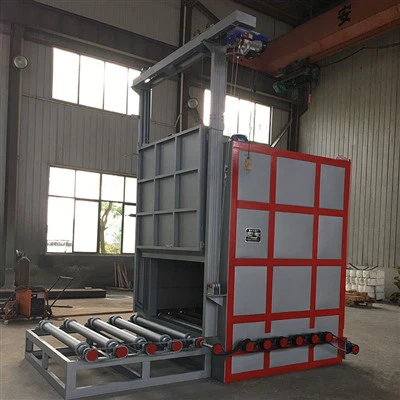
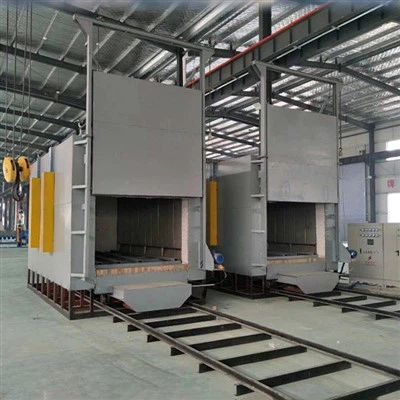
We offer a variety of rapid quenching furnaces to meet different needs. Check out our Natural Gas Rapid Quenching Furnace and Forklift Type Rapid Quenching Furnace. These furnaces are designed with high - quality flow control valves to ensure efficient and precise quenching processes.
Conclusion
Adjusting the flow control valve in a rapid quenching furnace is a skill that takes a bit of practice, but it's essential for getting the best results from your furnace. By following these steps and being patient, you can ensure that your furnace operates at its optimal level.
If you're in the market for a new rapid quenching furnace or need more information on flow control valve adjustment, don't hesitate to reach out. We're here to help you make the right choice and get the most out of your equipment.
References
- "Industrial Furnace Handbook: Principles, Designs, and Operations" by John Doe
- "Heat Treatment Furnaces: Technology and Applications" by Jane Smith