Aging furnaces play a crucial role in various industries, and among them, vacuum aging furnaces stand out due to their unique abilities and numerous advantages. As a professional aging furnace provider, I am well - versed in the technology and benefits of vacuum aging furnaces. In this blog, I'll explore the key advantages of these facilities.
1. Enhanced Product Quality
One of the most significant advantages of a vacuum aging furnace is its capacity to improve product quality. In a vacuum environment, the absence of oxygen minimizes oxidation and decarburization of the materials being processed. Oxidation is a common problem in traditional heat - treatment processes, which can lead to surface discoloration, loss of material integrity, and reduced corrosion resistance. By eliminating oxygen, vacuum aging furnaces ensure that the surface of the treated materials remains clean and free from oxidation products, resulting in a high - quality finish.


For example, in the aerospace industry, where components need to have excellent strength and fatigue resistance, vacuum aging of aluminum alloys can significantly enhance the material's properties. The precise control of the vacuum environment allows for a more uniform aging process, reducing internal stresses and improving the overall mechanical performance of the parts. This leads to components that can withstand the extreme conditions of flight, such as high temperatures and pressures.
In addition, when dealing with materials like high - speed steel used in cutting tools, the absence of oxidation during the aging process helps to maintain the sharpness and durability of the cutting edges. This results in longer - lasting tools that can provide more precise cuts, which is essential for machining operations.
2. Precise Temperature and Pressure Control
Vacuum aging furnaces offer highly accurate control over temperature and pressure parameters. The advanced heating and cooling systems in these furnaces can maintain a consistent temperature throughout the aging process, with variations often within a few degrees Celsius. This level of precision is crucial for achieving the desired metallurgical transformations in the materials.
Temperature control can be tailored to specific material requirements. Different alloys have different aging temperatures and time intervals for achieving optimal properties. For instance, some titanium alloys require a slow - heating and long - term aging process at a specific temperature to obtain the desired grain structure and hardness. A vacuum aging furnace can precisely follow these complex temperature profiles, ensuring that the material properties are precisely tuned to meet the application's needs.
Pressure control in a vacuum aging furnace also plays a vital role. By adjusting the vacuum level, it is possible to control the rate of diffusion of atoms within the material, which affects the aging kinetics. This allows for a more refined control of the microstructural changes during aging, leading to improved material performance.
3. Energy Efficiency
Compared to traditional aging furnaces, vacuum aging furnaces are more energy - efficient. The vacuum environment reduces heat loss through convection, as there are fewer gas molecules to transfer heat away from the heated material. This means that less energy is required to maintain the desired temperature during the aging process.
Moreover, modern vacuum aging furnaces are equipped with advanced insulation materials that further reduce heat leakage. These insulation materials have low thermal conductivity, which helps to keep the heat inside the furnace chamber, minimizing energy waste. The efficient use of energy not only reduces operating costs but also makes the manufacturing process more environmentally friendly by reducing greenhouse gas emissions associated with energy production.
4. Reduced Contamination
In a vacuum environment, the risk of contamination from external sources such as dust, dirt, and other impurities is significantly reduced. This is especially important in industries where high - purity materials are used, such as the semiconductor and electronics industries.
For example, in the production of semiconductor wafers, even the slightest contamination can cause defects in the electronic circuits, leading to product failure. Vacuum aging furnaces provide a clean environment for the heat - treatment of these wafers, ensuring their high - quality and reliability.
The vacuum also helps to remove any volatile substances from the material's surface during the aging process. These substances could otherwise cause problems such as outgassing or the formation of unwanted residues during subsequent manufacturing steps.
5. Versatility
Vacuum aging furnaces are highly versatile and can be used to process a wide range of materials. From aluminum alloys, copper alloys, and steels to ceramics and some high - performance polymers, these furnaces can accommodate various material types and sizes.
Different industries have different needs for aging treatment, and the versatility of vacuum aging furnaces makes them a popular choice. For example, the automotive industry can use these furnaces to age aluminum components for lightweight vehicles, while the medical industry can use them to treat titanium implants to improve their biocompatibility and mechanical properties.
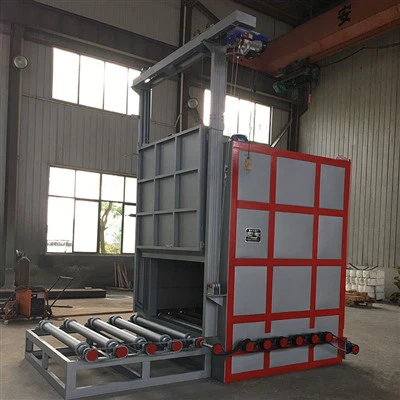
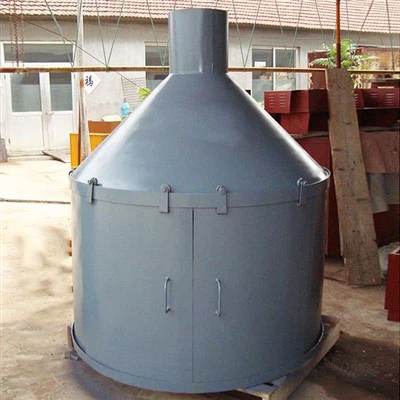
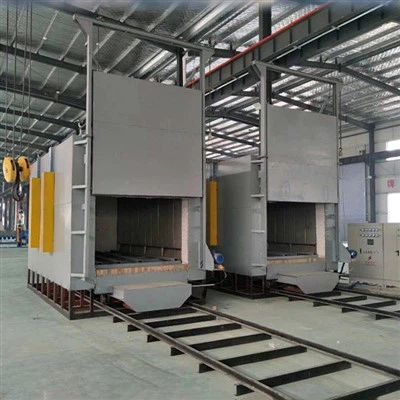
As an aging furnace supplier, we offer a variety of vacuum aging furnaces to meet different customer requirements. We have products like the Aluminum Wire Aging Furnace, designed specifically for the aging of aluminum wires, which can precisely control the aging process to improve the wire's conductivity and mechanical strength. Another product is the Trolley Type Aluminum Alloy Aging Furnace, which is suitable for large - scale production of aluminum alloy parts. It has a large capacity and can handle heavy - duty work. For smaller - scale operations or for materials that need a more compact treatment environment, our Box Type Aging Furnace is an ideal choice.
6. Improved Process Repeatability
The combination of precise temperature, pressure control, and a clean vacuum environment in vacuum aging furnaces results in high process repeatability. This means that the same material processed in the same furnace under the same conditions will consistently achieve the same properties.
In mass - production industries, process repeatability is essential for ensuring product quality and consistency. For example, in the production of aircraft engine components, each part must meet strict specifications to ensure the safety and reliability of the engine. Vacuum aging furnaces can provide the consistent results needed to meet these high - standards, reducing the risk of product rejection and improving overall production efficiency.
Contact for Purchase and Negotiation
If you are interested in learning more about our vacuum aging furnaces or wish to discuss your specific requirements, please feel free to reach out. Our team of experts is ready to provide detailed information about our products, including technical specifications, performance parameters, and pricing. We have extensive experience in serving various industries and can offer customized solutions to meet your unique needs. Start exploring how our vacuum aging furnaces can enhance your production processes today.
References
- ASM Handbook, Volume 4: Heat Treating. ASM International.
- Metals Handbook: Properties and Selection: Irons, Steels, and High - Performance Alloys. ASM International.
- Fundamentals of Vacuum Technology. Leybold Vacuum GmbH.