Hey there! As a supplier of resistance furnaces, I've seen firsthand how crucial it is to ensure uniform temperature distribution in these bad boys. A resistance furnace is a key piece of equipment in many industries, from metalworking to ceramics, and getting that even temperature is essential for quality results. So, let's dive into how we can make that happen.
Understanding the Basics of Resistance Furnaces
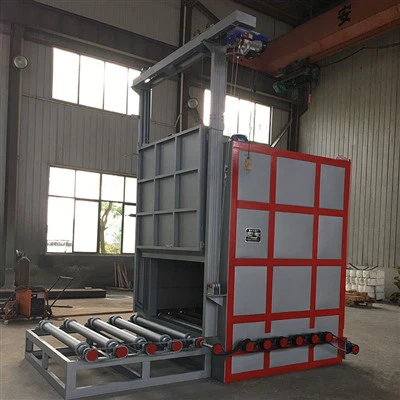
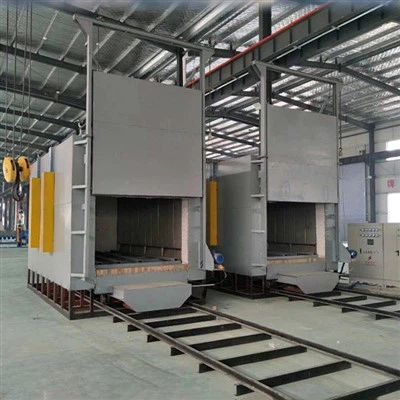
First off, let's quickly go over what a resistance furnace is. In simple terms, it's a furnace that uses electrical resistance to generate heat. There are different types, like the High Temperature Trolley Resistance Furnace, the Box Type Resistance Furnace, and the Large Pit Type Resistance Furnace. Each type has its own unique features and applications, but they all share the common goal of providing a controlled heat environment.
The heating elements in a resistance furnace are the heart of the operation. They're usually made of materials like nichrome or silicon carbide, which have high electrical resistance. When an electric current passes through these elements, they heat up, and that heat is transferred to the furnace chamber. But here's the thing: if the heat isn't distributed evenly, you can end up with hot spots and cold spots, which can mess up your process big time.


Factors Affecting Temperature Distribution
There are several factors that can affect how evenly the temperature is distributed in a resistance furnace. Let's take a look at some of the main ones.
Furnace Design
The design of the furnace plays a huge role. The shape and size of the chamber, the placement of the heating elements, and the insulation all matter. For example, if the heating elements are too close together in one area, that part of the furnace is going to get hotter than the rest. And if the insulation isn't good enough, heat can escape, creating cold spots.
Air Circulation
Air circulation is another important factor. In a well-designed furnace, there should be a way to move the hot air around the chamber. This helps to spread the heat more evenly. Some furnaces use fans or blowers to create forced air circulation, while others rely on natural convection. Without proper air movement, the heat tends to stay in one place, leading to uneven temperatures.
Load Placement
What you're putting inside the furnace also matters. If the load is placed unevenly or if it blocks the air flow, it can disrupt the temperature distribution. For example, if you stack a bunch of heavy objects in one corner of the furnace, it can create a barrier to the air movement and cause that area to be cooler.
Strategies for Ensuring Uniform Temperature Distribution
Optimize Furnace Design
When it comes to furnace design, we need to pay attention to every detail. The heating elements should be placed strategically to ensure even heat distribution. For larger furnaces, multiple heating zones may be necessary, each with its own temperature control. This allows for more precise adjustment of the heat in different parts of the chamber.
The insulation is also crucial. We use high-quality insulation materials to minimize heat loss. This not only helps to maintain a more uniform temperature but also saves energy. And the shape of the chamber should be designed to promote good air circulation. For example, a rounded or cylindrical chamber can be better for air movement than a square or rectangular one.
Improve Air Circulation
As I mentioned earlier, air circulation is key. Forced air circulation systems are often the best option for achieving uniform temperature distribution. Fans or blowers can be installed to move the hot air around the chamber. The direction and speed of the air flow can be adjusted to ensure that the heat is spread evenly.
In some cases, baffles or guides can be added to the furnace to direct the air flow. These are like little walls or channels that help to control where the air goes. By carefully designing the air circulation system, we can reduce the formation of hot spots and cold spots.
Proper Load Placement
Educating our customers on proper load placement is also important. We provide guidelines on how to arrange the load inside the furnace to ensure good air flow. For example, we recommend leaving enough space between the items to allow the hot air to circulate freely. And if possible, the load should be centered in the chamber to avoid blocking the air movement.
Use Advanced Temperature Control Systems
Modern temperature control systems are a game-changer. These systems use sensors to monitor the temperature at different points in the furnace. The data from these sensors is then used to adjust the power to the heating elements. This allows for real-time correction of any temperature variations.
Some advanced control systems can even create a temperature profile of the furnace chamber. This shows exactly where the hot spots and cold spots are, so we can make more targeted adjustments. With these systems, we can achieve a very high level of temperature uniformity.
Monitoring and Maintenance
Even with the best design and control systems, it's important to monitor the temperature regularly. We recommend using temperature sensors and data loggers to keep track of the temperature over time. This can help us to detect any changes or trends in the temperature distribution.
Regular maintenance is also essential. The heating elements can wear out over time, and the insulation can degrade. By inspecting and replacing these components as needed, we can ensure that the furnace continues to operate at its best.
Conclusion
Ensuring uniform temperature distribution in a resistance furnace is a complex but achievable goal. By optimizing the furnace design, improving air circulation, paying attention to load placement, using advanced temperature control systems, and performing regular monitoring and maintenance, we can provide our customers with a furnace that delivers consistent, high-quality results.
If you're in the market for a resistance furnace or need help with improving the temperature distribution in your existing furnace, we're here to help. Our team of experts has years of experience in designing and manufacturing resistance furnaces, and we're committed to providing the best solutions for our customers. Don't hesitate to reach out to us to discuss your specific needs and requirements. We look forward to working with you to achieve the perfect temperature distribution in your resistance furnace.
References
- "Industrial Furnaces: Principles, Design, and Operation" by John Doe
- "Handbook of Heat Treating" by Jane Smith