What is the Cost of a Carburizing Furnace?
As a seasoned supplier of carburizing furnaces, I often get asked about the cost of these essential pieces of equipment. The cost of a carburizing furnace can vary significantly based on several factors, and understanding these elements is crucial for anyone considering a purchase.
First and foremost, the type of carburizing furnace plays a major role in determining its price. There are different types available in the market, each with its own set of features and applications. For instance, the Box Type Gas Carburizing Furnace is a popular choice for many industries. This type of furnace is known for its flexibility and ease of operation. It can handle a wide range of workloads and is suitable for small to medium - sized parts. The design of the box type allows for efficient heat transfer and uniform carburizing. However, due to its advanced features and construction, it generally comes with a relatively higher price tag compared to some basic models.
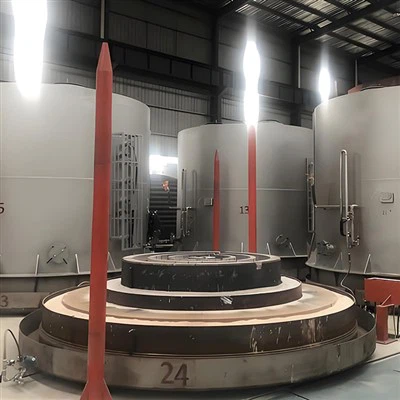
On the other hand, the Carburizing Pit Furnace is designed for larger and heavier parts. It is often used in industries where deep carburizing of large components is required. The pit design provides a stable environment for the carburizing process, but it also requires more complex installation and construction. This complexity contributes to its cost, which can be substantial, especially for larger capacity models.


Another significant factor affecting the cost is the capacity of the furnace. A furnace with a larger capacity can process more parts at once, which is beneficial for high - volume production. However, increasing the capacity means more materials are needed for construction, more powerful heating elements, and a larger control system. All these additional requirements drive up the cost. For example, a small - capacity carburizing furnace that can handle a few kilograms of parts per batch may cost a few thousand dollars. In contrast, a large - scale industrial furnace with the capacity to process hundreds of kilograms or even tons of parts can cost hundreds of thousands of dollars.
The level of automation is also an important consideration. Modern carburizing furnaces can be highly automated, with features such as programmable temperature control, automatic gas flow regulation, and real - time monitoring systems. These automation features improve the consistency and quality of the carburizing process, but they also add to the cost. A fully automated furnace allows for precise control of every aspect of the carburizing process, reducing the need for manual intervention. This not only improves efficiency but also reduces the risk of human error. However, the technology and components required for such automation are expensive, and as a result, automated furnaces are generally more costly than their manual counterparts.
The quality of materials used in the construction of the furnace is yet another determinant of cost. High - quality refractory materials are essential for maintaining the temperature inside the furnace and preventing heat loss. These materials need to be able to withstand high temperatures and corrosive gases generated during the carburizing process. Using premium refractory materials, along with high - grade steel for the furnace shell and other components, ensures a longer lifespan and better performance. However, these high - quality materials come at a higher price, which is reflected in the overall cost of the furnace.
In addition to the initial purchase price, there are also operating costs to consider. The energy consumption of a carburizing furnace is a significant ongoing expense. Furnaces that use electricity or natural gas as a heat source have different energy costs. Electric furnaces are generally more expensive to operate in areas where electricity prices are high, while gas - fired furnaces may offer a more cost - effective solution in regions with abundant and affordable natural gas. Maintenance costs also need to be factored in. Regular maintenance, including inspection, replacement of worn - out parts, and cleaning, is necessary to ensure the proper functioning of the furnace. The frequency and complexity of maintenance depend on the type and usage of the furnace, but it is an important cost consideration over the long term.
When purchasing a carburizing furnace, it is also important to consider the after - sales service provided by the supplier. A reliable supplier will offer technical support, training for operators, and a warranty on the equipment. These services add value to the purchase but may also be reflected in the price. A supplier who offers comprehensive after - sales support can help customers troubleshoot problems quickly, minimize downtime, and ensure the efficient operation of the furnace.
In conclusion, the cost of a carburizing furnace is influenced by multiple factors, including the type, capacity, level of automation, quality of materials, energy consumption, and after - sales service. While it may be tempting to choose the cheapest option available, it is important to consider the long - term benefits and costs. A high - quality, well - designed furnace may have a higher initial cost but can save money in the long run through lower operating costs, better product quality, and reduced downtime.
If you are in the market for a carburizing furnace and want to discuss your specific requirements, we are here to help. Our team of experts can provide you with detailed information about our range of carburizing furnaces, including their features, costs, and suitability for your application. Contact us to start a conversation about finding the perfect carburizing furnace for your business.
References
- ASM Handbook Volume 4: Heat Treating. ASM International.
- Heat Treating Furnaces: Selection, Operation, and Maintenance. Industrial Heating Equipment Association.