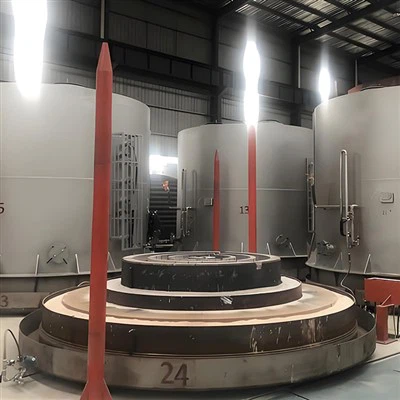
Hey there! As a supplier of Pit Quenching Furnaces, I've seen firsthand the importance of safety when operating these powerful machines. Pit Quenching Furnaces are essential in various industries, from automotive to aerospace, for heat-treating metals to improve their hardness and durability. But let's face it, they can also be pretty dangerous if not handled correctly. So, in this blog post, I'm gonna share some crucial safety precautions that you should take when operating a Pit Quenching Furnace.
1. Operator Training
First things first, you gotta make sure that anyone who's gonna operate the Pit Quenching Furnace is properly trained. I'm not just talking about a quick run - through of the controls. A comprehensive training program should cover everything from the basic principles of heat treatment to the specific operation and maintenance of the furnace.


Operators need to understand how the furnace works, including its heating elements, temperature control systems, and quenching mechanisms. They should also be trained on how to read and interpret the furnace's gauges and sensors. Without proper training, operators might make mistakes that could lead to equipment damage, poor heat - treatment results, or even serious accidents.
2. Personal Protective Equipment (PPE)
PPE is a must - have when working around a Pit Quenching Furnace. Operators should always wear heat - resistant gloves to protect their hands from the high temperatures. These gloves should be made of materials that can withstand the heat generated by the furnace, like Kevlar or leather.
Safety glasses are also essential to protect the eyes from flying debris, sparks, and hot metal splashes. A face shield can provide additional protection, especially when loading or unloading parts from the furnace.
In addition to gloves and eye protection, operators should wear flame - resistant clothing. This type of clothing can prevent burns in case of a fire or a sudden release of hot gases. Steel - toed boots are also recommended to protect the feet from heavy objects or molten metal.
3. Furnace Inspection and Maintenance
Regular inspection and maintenance of the Pit Quenching Furnace are crucial for safety. Before each use, operators should conduct a visual inspection of the furnace to check for any signs of damage or wear. This includes looking for cracks in the furnace lining, loose electrical connections, and leaks in the gas or water lines.
The heating elements should be inspected regularly to ensure they are functioning properly. If a heating element is damaged or worn out, it should be replaced immediately. Faulty heating elements can cause uneven heating, which can lead to poor heat - treatment results and increase the risk of equipment failure.
The furnace's temperature control system should also be calibrated regularly to ensure accurate temperature readings. Incorrect temperature control can result in overheating or underheating of the parts, which can affect their quality and performance.
4. Ventilation
Proper ventilation is essential when operating a Pit Quenching Furnace. The furnace generates a lot of heat and can produce harmful gases, such as carbon monoxide and nitrogen oxides. These gases can be dangerous if inhaled, so it's important to have a good ventilation system in place.
The ventilation system should be designed to remove the hot air and gases from the furnace area and replace it with fresh air. It should also be able to handle the volume of air required to keep the temperature in the furnace area within a safe range.
In addition to the general ventilation system, local exhaust ventilation should be used when loading and unloading parts from the furnace. This can help to capture and remove any fumes or dust generated during these operations.
5. Loading and Unloading Procedures
Loading and unloading parts from the Pit Quenching Furnace require careful attention to safety. Operators should use appropriate lifting equipment, such as cranes or hoists, to handle heavy parts. The lifting equipment should be inspected regularly to ensure it is in good working condition.
When loading parts into the furnace, they should be placed in a stable and secure manner. Overloading the furnace can cause uneven heating and increase the risk of parts falling or shifting during the heat - treatment process.
Unloading parts from the furnace should also be done carefully. The parts are usually very hot, so operators should use heat - resistant tools and follow the proper cooling procedures. They should also be aware of the potential for hot metal splashes or steam when removing the parts from the quenching tank.
6. Emergency Preparedness
No matter how careful you are, accidents can still happen. That's why it's important to have an emergency preparedness plan in place. The plan should include procedures for dealing with fires, gas leaks, and other emergencies.
All operators should be trained on the emergency procedures and know where the emergency exits, fire extinguishers, and first - aid kits are located. Regular emergency drills should be conducted to ensure that everyone knows what to do in case of an emergency.
7. Safe Quenching Practices
Quenching is a critical step in the heat - treatment process, and it requires special safety precautions. The quenching medium, whether it's oil, water, or another liquid, should be handled carefully.
When using an oil - based quenching medium, there is a risk of fire. Operators should make sure that the oil is stored in a safe place and that the quenching tank is properly maintained. The oil level in the tank should be monitored regularly, and any spills should be cleaned up immediately.
Water - based quenching media can also be dangerous if not used correctly. Water can cause steam explosions if it comes into contact with very hot metal. Operators should follow the recommended procedures for adding water to the quenching tank and for cooling the parts.
8. Comparison with Other Quenching Furnaces
It's worth mentioning that there are other types of quenching furnaces available, such as the Box Type Quenching Furnace, Mesh Belt Quenching Furnace, and Forklift Quenching Furnace. While the basic safety principles apply to all these types of furnaces, there are some differences in their operation and safety requirements.
For example, the Box Type Quenching Furnace is typically used for smaller parts and has a more enclosed design. This can make it easier to control the heat - treatment process but may also require different ventilation and loading/unloading procedures compared to a Pit Quenching Furnace.
The Mesh Belt Quenching Furnace is designed for continuous heat - treatment of parts. It has a moving mesh belt that transports the parts through the furnace and the quenching tank. This type of furnace requires careful monitoring of the belt's movement and tension to ensure safe operation.
The Forklift Quenching Furnace is often used for larger parts and may require special lifting and handling equipment. Safety precautions for this type of furnace should focus on the proper use of the forklift and the secure loading and unloading of the parts.
9. Handling of Quenching Media
The quenching media used in a Pit Quenching Furnace need to be handled with care. Different quenching media have different properties and require different handling procedures.
For example, oil - based quenching media are flammable, so they should be stored in a well - ventilated area away from sources of ignition. The oil should be filtered regularly to remove any contaminants, which can affect the quality of the heat - treatment process.
Water - based quenching media can be corrosive, so the quenching tank and other equipment that comes into contact with the water should be made of corrosion - resistant materials. The water should also be treated to prevent the growth of bacteria and algae, which can cause problems in the heat - treatment process.
10. Electrical Safety
Since the Pit Quenching Furnace is an electrical device, electrical safety is of utmost importance. All electrical connections should be properly insulated and secured. Operators should never touch the electrical components of the furnace with wet hands or when standing in wet areas.
The furnace should be grounded properly to prevent electrical shocks. A ground fault circuit interrupter (GFCI) can provide an additional layer of protection by automatically shutting off the power in case of a ground fault.
In addition to the above precautions, operators should be trained on how to safely operate and maintain the electrical components of the furnace. They should know how to turn off the power in case of an emergency and how to troubleshoot minor electrical problems.
If you're in the market for a Pit Quenching Furnace or have any questions about safety precautions, feel free to reach out. We're here to help you ensure that your heat - treatment operations are not only efficient but also safe.
References
- ASM Handbook Volume 4: Heat Treating. ASM International.
- OSHA Guidelines for Industrial Furnaces. Occupational Safety and Health Administration.
- Heat Treatment Principles and Techniques. Van Nostrand Reinhold.