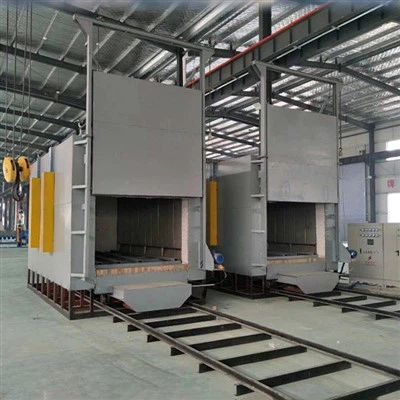
Oxidation and decarburization are common issues in pit furnace operations, which can significantly affect the quality and performance of the heat-treated materials. As a leading pit furnace supplier, we understand the importance of preventing these problems to ensure optimal results for our customers. In this blog post, we will explore various methods and strategies to prevent oxidation and decarburization in a pit furnace.
Understanding Oxidation and Decarburization
Before delving into prevention methods, it is essential to understand what oxidation and decarburization are and how they occur in a pit furnace. Oxidation is a chemical reaction between the metal surface and oxygen in the atmosphere, resulting in the formation of metal oxides. This process can lead to surface scaling, loss of material, and reduced corrosion resistance. Decarburization, on the other hand, is the loss of carbon from the surface layer of a metal due to its reaction with oxygen or other elements in the furnace atmosphere. This can cause a decrease in hardness, strength, and wear resistance of the material.


Factors Affecting Oxidation and Decarburization
Several factors can influence the extent of oxidation and decarburization in a pit furnace, including:
- Temperature: Higher temperatures generally accelerate the oxidation and decarburization processes. As the temperature increases, the rate of chemical reactions between the metal and the furnace atmosphere also increases.
- Time: The longer the material is exposed to the furnace atmosphere, the greater the degree of oxidation and decarburization. Therefore, minimizing the heating time can help reduce these problems.
- Furnace Atmosphere: The composition of the furnace atmosphere plays a crucial role in determining the extent of oxidation and decarburization. An oxidizing atmosphere, such as air, promotes oxidation and decarburization, while a reducing or inert atmosphere can help prevent these processes.
- Material Composition: Different metals and alloys have different susceptibilities to oxidation and decarburization. For example, steels with high carbon content are more prone to decarburization than those with low carbon content.
Prevention Methods
Based on the factors mentioned above, here are some effective methods to prevent oxidation and decarburization in a pit furnace:
1. Control the Furnace Atmosphere
- Use a Reducing or Inert Atmosphere: One of the most effective ways to prevent oxidation and decarburization is to use a reducing or inert atmosphere in the furnace. A reducing atmosphere, such as a mixture of hydrogen and nitrogen, can react with the oxygen in the furnace to form water vapor, thereby reducing the oxygen partial pressure and preventing oxidation. An inert atmosphere, such as argon or nitrogen, can also be used to displace the oxygen in the furnace and create a protective environment for the material.
- Monitor and Adjust the Atmosphere: It is important to continuously monitor the composition of the furnace atmosphere and adjust it as needed to maintain the desired reducing or inert conditions. This can be achieved using gas analyzers and control systems.
2. Minimize Heating Time
- Optimize the Heating Cycle: By carefully designing the heating cycle, you can minimize the time the material spends at high temperatures, thereby reducing the extent of oxidation and decarburization. This may involve using rapid heating and cooling rates, as well as appropriate soaking times.
- Use Preheating and Post-Heating Treatments: Preheating the material before it enters the furnace can help reduce the thermal shock and minimize the heating time. Post-heating treatments, such as quenching or tempering, can also be used to improve the material's properties and reduce the need for extended heating.
3. Apply Protective Coatings
- Use Anti-Oxidation Coatings: Applying a protective coating to the surface of the material can help prevent oxidation and decarburization. Anti-oxidation coatings, such as ceramic or metallic coatings, can act as a barrier between the metal and the furnace atmosphere, reducing the contact between them and preventing oxidation.
- Ensure Proper Coating Application: It is important to ensure that the protective coating is applied evenly and adheres well to the surface of the material. This can be achieved using appropriate coating techniques, such as spraying or dipping.
4. Maintain the Furnace Properly
- Regularly Clean the Furnace: Keeping the furnace clean is essential for preventing oxidation and decarburization. Over time, dirt, scale, and other contaminants can accumulate in the furnace, which can react with the material and promote oxidation. Regularly cleaning the furnace can help remove these contaminants and maintain a clean environment for the material.
- Inspect and Repair the Furnace: Regularly inspecting the furnace for leaks, cracks, and other damage is also important. Any damage to the furnace can allow oxygen to enter the furnace, which can increase the risk of oxidation and decarburization. Promptly repairing any damage can help prevent these problems.
Our Pit Furnace Solutions
As a professional pit furnace supplier, we offer a wide range of high-quality pit furnaces that are designed to prevent oxidation and decarburization. Our Medium Temperature Pit Furnace is suitable for various heat treatment processes, such as annealing, normalizing, and tempering. It is equipped with advanced temperature control systems and a reliable atmosphere control system to ensure precise temperature and atmosphere control, thereby minimizing the risk of oxidation and decarburization.
Our Pit Type Aluminum Alloy Quenching Furnace is specifically designed for the quenching of aluminum alloys. It features a high-speed heating system and a uniform temperature distribution, which can help reduce the heating time and minimize the extent of oxidation and decarburization.
In addition, our High Precision Pit Furnace is ideal for applications that require high precision and accuracy. It is equipped with advanced sensors and control systems to ensure precise temperature and atmosphere control, as well as excellent repeatability.
Conclusion
Oxidation and decarburization are common problems in pit furnace operations, but they can be effectively prevented by implementing the right methods and strategies. By controlling the furnace atmosphere, minimizing heating time, applying protective coatings, and maintaining the furnace properly, you can ensure the quality and performance of the heat-treated materials. As a leading pit furnace supplier, we are committed to providing our customers with high-quality pit furnaces and comprehensive solutions to prevent oxidation and decarburization. If you are interested in our products or have any questions, please feel free to contact us for further information and procurement negotiation.
References
- "Heat Treatment Furnaces: Principles, Design, and Operation" by G. E. Totten and M. A. Howes.
- "Metallurgy for the Non-Metallurgist" by J. D. Verhoeven.
- "Surface Engineering for Corrosion and Wear Resistance" by T. Bell and W. S. Owen.