Hey there! As a supplier of Mold Roasting Furnaces, I often get asked about the maximum capacity of these nifty machines. It's a question that's not as straightforward as it might seem, so let's dive right in and explore this topic.
First off, what is a mold roasting furnace? Well, it's a specialized piece of equipment used in various industries, especially in metal casting and foundries. These furnaces are designed to heat molds to specific temperatures, which helps in removing moisture, strengthening the mold material, and ensuring a high - quality casting process.
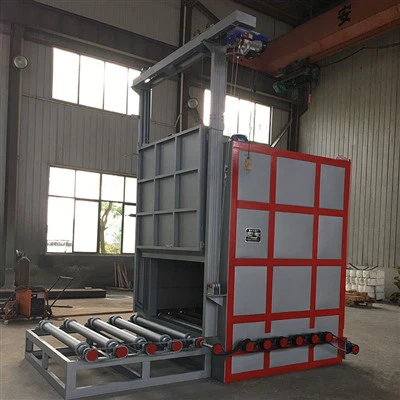
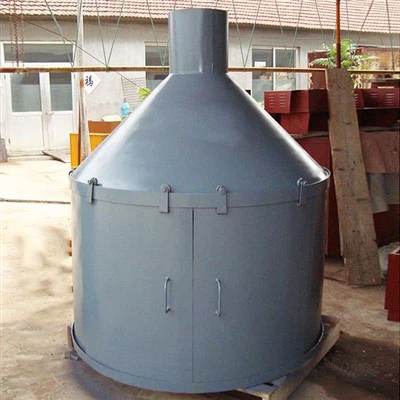
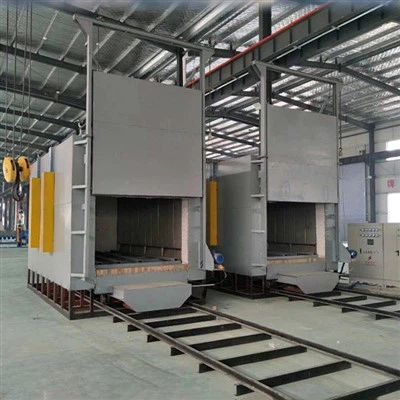
Now, when it comes to the maximum capacity of a mold roasting furnace, it depends on several factors. One of the most significant factors is the type of furnace. We have different types available, like the Trolley Type Roasting Furnace, the Through - type Shell Baking Furnace, and the Box Type Shell Baking Furnace. Each of these types has its own unique design and, therefore, different capacity limits.
Let's start with the Trolley Type Roasting Furnace. This type of furnace is known for its flexibility and relatively large capacity. The trolley allows you to load and unload molds easily, which is great for handling big batches. The maximum capacity of a trolley - type furnace can vary widely. Smaller models might be able to handle a few hundred kilograms of molds at a time, while larger industrial - grade ones can take on several tons. For example, some of the high - end trolley - type furnaces we supply can handle up to 5 tons of molds in a single roasting cycle. This makes them ideal for large - scale foundries that need to process a significant amount of molds regularly.
The Through - type Shell Baking Furnace is another popular option. It's designed for a continuous production process, where molds are fed through the furnace on a conveyor system. The capacity of a through - type furnace is often measured in terms of the number of molds it can process per hour. Depending on the size of the molds and the speed of the conveyor, these furnaces can process anywhere from a few dozen to several hundred molds per hour. For instance, if you're dealing with small - sized molds, a well - designed through - type furnace can handle around 200 - 300 molds per hour. But if the molds are larger, the number might drop to 50 - 100 per hour.
Then there's the Box Type Shell Baking Furnace. This type is more suitable for smaller - scale operations or when you need to roast molds in batches. The capacity of a box - type furnace is mainly determined by the internal volume of the box. Smaller box - type furnaces might have an internal volume of around 1 - 2 cubic meters, which can hold a few small to medium - sized molds. Larger ones can have volumes of up to 10 cubic meters or more, allowing them to accommodate a greater number of molds or larger - sized ones.
Another factor that affects the maximum capacity is the design of the heating system. A more efficient heating system can heat the molds faster, which means you can process more molds in a given time. For example, furnaces with advanced burner technology or electric heating elements can achieve higher temperatures more quickly and maintain them evenly throughout the furnace. This not only increases the capacity but also improves the quality of the roasting process.
The type of mold material also plays a role. Different materials have different heat - transfer properties and require different heating times. For example, ceramic molds might take longer to heat up compared to metal molds. So, if you're using a particular type of mold material, you need to consider its heating requirements when determining the maximum capacity of the furnace.


The shape and size of the molds are also crucial. Irregularly shaped molds might not fit as efficiently into the furnace as regular - shaped ones. This can reduce the overall capacity because there might be more empty space in the furnace. Similarly, very large molds might take up a significant amount of space, limiting the number of molds you can roast at once.
Now, let's talk about how to choose the right maximum capacity for your needs. If you're a small - scale foundry or a startup, you might not need a furnace with a very high capacity. A box - type furnace with a moderate capacity could be a good choice. It's cost - effective and can handle your initial production requirements. As your business grows, you can always upgrade to a larger - capacity furnace.
On the other hand, if you're an established large - scale foundry, you'll probably need a high - capacity furnace, like a trolley - type or through - type furnace. These can handle the large volumes of molds you need to process on a daily basis.
When considering the maximum capacity, it's also important to think about future growth. You don't want to buy a furnace that's too small and then have to replace it in a few years. So, it's a good idea to estimate your future production needs and choose a furnace with a capacity that can accommodate some growth.
In conclusion, the maximum capacity of a mold roasting furnace depends on many factors, including the type of furnace, the heating system, the mold material, and the shape and size of the molds. As a supplier, we have a wide range of furnaces to suit different needs and budgets. Whether you're looking for a small - capacity box - type furnace or a large - capacity trolley - type furnace, we can help you find the right one for your business.
If you're interested in learning more about our Mold Roasting Furnaces or want to discuss your specific requirements, feel free to reach out. We're here to help you make the best decision for your production process.
References:
- Industry standards and guidelines for mold roasting furnaces
- Technical specifications of our in - house furnace models