As a supplier of bell type furnaces, I often encounter inquiries from customers about the integration of our bell type furnaces with other production equipment. This is a crucial question in modern manufacturing, where efficiency and seamless operation across different machinery are highly valued. In this blog post, I will explore the feasibility and benefits of integrating a bell type furnace with other production equipment.
Understanding Bell Type Furnaces
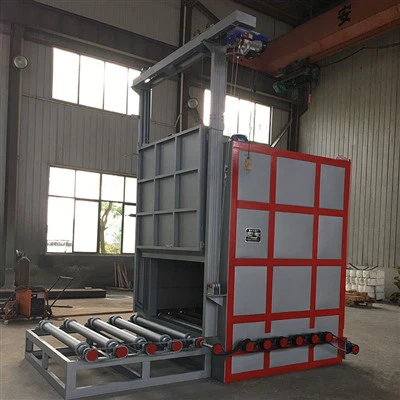
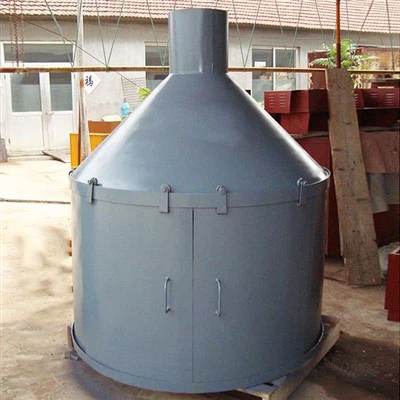
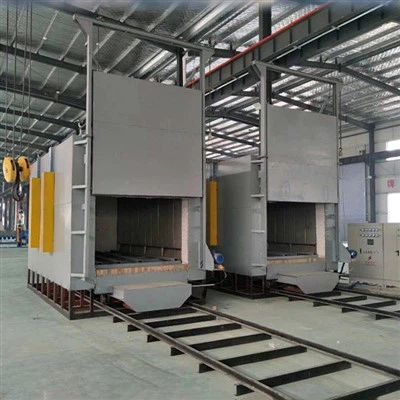
Before delving into integration, it's essential to understand the nature of bell type furnaces. Bell type furnaces are widely used in various industries for heat treatment processes such as annealing, normalizing, and stress relieving. They consist of a stationary base and a removable bell-shaped cover. The workpiece is placed on the base, and the bell is lowered over it to create a sealed environment for heat treatment. Our company offers a range of bell type furnaces, including Bell Annealing Furnace, Split Mobile Bell Furnace, and Bell Type Resistance Furnace.
Feasibility of Integration
The integration of a bell type furnace with other production equipment is indeed feasible and has been successfully implemented in many manufacturing settings. The key to successful integration lies in understanding the requirements and capabilities of both the bell type furnace and the other equipment involved.
Compatibility of Processes
One of the primary considerations is the compatibility of the heat treatment process carried out in the bell type furnace with the operations of the other production equipment. For example, if the bell type furnace is used for annealing metal parts, it needs to be integrated with equipment such as material handling systems, machining centers, or inspection stations in a way that the annealed parts can be smoothly transferred to the next stage of production. The heat treatment process in the bell type furnace should not interfere with the functionality of the other equipment and vice versa.
Control Systems
Modern manufacturing relies heavily on automation and control systems to ensure efficient and precise operation. Integrating a bell type furnace with other production equipment requires a compatible control system. The control system should be able to monitor and regulate the temperature, time, and other parameters of the heat treatment process in the bell type furnace in conjunction with the operation of the other equipment. For instance, the control system can be programmed to start the next operation in the production line only after the heat treatment in the bell type furnace is completed and the parts have reached the desired temperature.
Physical Space and Layout
The physical space and layout of the production facility are also important factors in integration. The bell type furnace needs to be placed in a location where it can be easily connected to the other equipment. Adequate space should be available for material handling, access for maintenance, and safety considerations. Additionally, the layout should be designed to minimize the distance and time required for transporting the workpieces between the bell type furnace and the other equipment, thereby improving overall efficiency.
Benefits of Integration
Integrating a bell type furnace with other production equipment offers several significant benefits for manufacturers.
Improved Efficiency
By integrating the bell type furnace with other production equipment, the overall production process can be streamlined. The seamless transfer of workpieces between different stages of production reduces manual handling and waiting times, leading to increased throughput. For example, in a metal manufacturing plant, the integration of a bell type furnace with a machining center can eliminate the need for intermediate storage and manual transfer of annealed parts, resulting in a more continuous and efficient production flow.
Enhanced Quality
The integration of control systems allows for better monitoring and control of the entire production process. This ensures that the heat treatment in the bell type furnace is carried out precisely as required, which in turn enhances the quality of the final product. The compatibility of processes also reduces the risk of errors and inconsistencies that can occur during manual transfer between different equipment. For instance, in a precision engineering application, the integrated system can ensure that the heat-treated parts are immediately machined to the required specifications, maintaining the dimensional accuracy and surface finish.
Cost Savings
Integrating a bell type furnace with other production equipment can lead to cost savings in various ways. Firstly, the reduced manual labor required for material handling and process control results in lower labor costs. Secondly, the improved efficiency and quality reduce the waste and rework associated with the production process, saving on raw materials and production time. Additionally, the integrated system can optimize energy consumption by coordinating the operation of the bell type furnace with other equipment, reducing overall energy costs.
Examples of Integration
Integration with Material Handling Systems
Bell type furnaces can be integrated with material handling systems such as conveyors, robots, or cranes. For example, a conveyor system can be used to automatically feed the workpieces into the bell type furnace and remove them after the heat treatment is completed. This not only improves the efficiency of the material handling process but also reduces the risk of human error and injury. Robots can be programmed to load and unload the workpieces with high precision, ensuring consistent quality.
Integration with Machining Centers
In a manufacturing process where metal parts need to be heat-treated and then machined, the bell type furnace can be integrated with a machining center. After the annealing process in the bell type furnace, the conveyor system or a robot can transfer the parts directly to the machining center. The control system can then manage the operation of both the bell type furnace and the machining center, ensuring that the machining process is carried out at the optimal time and with the correct parameters based on the heat treatment history of the parts.


Integration with Inspection Stations
Integrating the bell type furnace with inspection stations is also possible. After the heat treatment in the bell type furnace, the workpieces can be automatically transferred to an inspection station where their physical and mechanical properties can be checked. The results of the inspection can be fed back into the control system, which can then adjust the heat treatment process in the bell type furnace for subsequent batches of workpieces to ensure consistent quality.
Considerations and Challenges
While the integration of a bell type furnace with other production equipment offers numerous benefits, there are also some considerations and challenges that need to be addressed.
Initial Investment
Integrating a bell type furnace with other production equipment requires an initial investment in terms of equipment modification, installation of control systems, and programming. This cost can be significant, especially for small and medium-sized enterprises. However, it is important to consider the long-term benefits of increased efficiency, improved quality, and cost savings when evaluating the return on investment.
Complexity of Integration
The integration process can be complex, especially when dealing with different types of equipment from multiple manufacturers. Compatibility issues may arise in terms of control systems, communication protocols, and physical interfaces. It is essential to work with experienced engineers and technicians who have a deep understanding of both the bell type furnace and the other production equipment to ensure a successful integration.
Maintenance and Training
Once the bell type furnace is integrated with other production equipment, regular maintenance is required to ensure the smooth operation of the entire system. Maintenance personnel need to be trained to handle the integrated system, including troubleshooting and repair. Additionally, operators need to be trained to use the integrated control system effectively to maximize the benefits of integration.
Conclusion
In conclusion, a bell type furnace can be effectively integrated with other production equipment to improve efficiency, enhance quality, and reduce costs in modern manufacturing. The feasibility of integration depends on factors such as process compatibility, control systems, and physical space. While there are initial investment and complexity challenges, the long-term benefits make the integration a worthwhile investment for many manufacturers.
If you are interested in integrating a bell type furnace with your existing production equipment or are looking to invest in a new bell type furnace for your manufacturing process, we would be delighted to discuss your requirements. Our team of experts can provide you with detailed information, customized solutions, and support throughout the integration process. Contact us today to start the conversation and explore how our Bell Annealing Furnace, Split Mobile Bell Furnace, or Bell Type Resistance Furnace can be integrated into your production line for optimal performance.
References
- "Heat Treatment Handbook" by ASM International
- "Manufacturing Engineering and Technology" by Serope Kalpakjian and Steven Schmid
- "Automation, Production Systems, and Computer-Integrated Manufacturing" by Mikell P. Groover