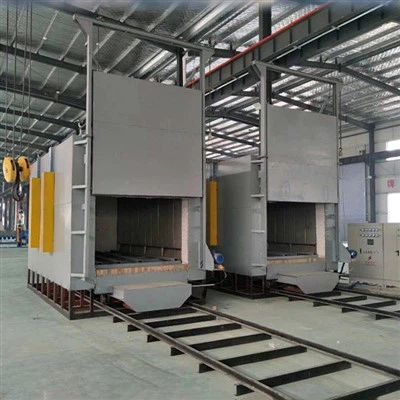
Hey there! As a supplier of Carburizing Pit Furnaces, I've seen firsthand how important it is to follow safety measures when operating these powerful machines. In this blog, I'm gonna share some key safety tips to keep you and your team safe while using a Carburizing Pit Furnace.
Pre - operation Safety Checks
Before you even think about firing up the Carburizing Pit Furnace, there are a bunch of pre - operation checks you need to do. First off, take a good look at the furnace's exterior. Check for any visible signs of damage, like cracks in the lining or loose fittings. A damaged furnace can be a major safety hazard, so it's crucial to address any issues right away.
Inspect the electrical connections. Make sure all the wires are in good condition, without any fraying or exposed parts. Loose or damaged electrical connections can lead to short circuits, which not only damage the furnace but can also cause fires or electric shocks.
The gas supply is another critical area. Check for any gas leaks around the valves and pipes. You can use a simple soap - water solution to detect leaks. Just apply the solution to the connections, and if you see bubbles forming, that means there's a leak. If you find a leak, shut off the gas supply immediately and call a professional to fix it.
Also, don't forget to check the ventilation system. A proper ventilation system is essential for removing harmful gases and fumes produced during the carburizing process. Make sure the vents are clear and the fans are working properly. You can find more about different types of carburizing furnaces, like the Box Type Gas Carburizing Furnace on our website.


Personal Protective Equipment (PPE)
When operating a Carburizing Pit Furnace, wearing the right PPE is non - negotiable. First, you need heat - resistant gloves. The furnace gets extremely hot, and you'll be handling hot parts and materials. Heat - resistant gloves will protect your hands from burns.
Safety glasses are a must. They'll shield your eyes from flying debris, sparks, and any splashes of molten metal or chemicals. A face shield can provide even more protection, especially when you're working close to the furnace opening.
Wear flame - resistant clothing. This type of clothing is designed to resist ignition and slow down the spread of fire. It can be a lifesaver in case of an accidental fire or explosion.
Steel - toed boots are also important. They'll protect your feet from heavy objects that might fall and from any sharp objects on the floor.
During Operation Safety
Once the furnace is up and running, there are several safety measures you need to follow. First, keep a safe distance from the furnace opening. The heat and flames can cause serious burns, and there's also a risk of hot materials splashing out.
Don't overload the furnace. Each Carburizing Pit Furnace has a maximum capacity, and exceeding it can lead to uneven heating, poor carburizing results, and even damage to the furnace.
Monitor the temperature and pressure regularly. Use the furnace's built - in sensors and gauges to keep track of these parameters. If you notice any abnormal readings, shut down the furnace immediately and investigate the cause.
Avoid sudden changes in temperature or pressure. Rapid changes can cause thermal stress on the furnace components, leading to cracks and other damage.
When adding materials to the furnace, do it slowly and carefully. This will prevent any sudden reactions or splashing.
Emergency Procedures
You should always have a well - defined emergency plan in place. In case of a fire, know where the fire extinguishers are located and how to use them. Different types of fires require different types of extinguishers, so make sure you have the right ones for the job.
If there's a gas leak or an explosion, evacuate the area immediately. Pull the fire alarm and call the emergency services. Make sure everyone knows the evacuation routes and assembly points.
Regularly conduct emergency drills with your team. This will ensure that everyone knows what to do in case of an emergency and can react quickly and calmly.
Maintenance and Inspection
Regular maintenance and inspection are key to keeping the Carburizing Pit Furnace safe and in good working condition. Schedule routine maintenance checks by a qualified technician. They'll be able to identify and fix any potential problems before they turn into major issues.
Keep a detailed maintenance log. This will help you track the furnace's performance over time and identify any recurring problems.
Inspect the furnace after each use. Look for any signs of wear and tear, such as damaged heating elements or worn - out seals. Replace any damaged parts as soon as possible.
Training and Education
All operators should receive proper training before they're allowed to operate the Carburizing Pit Furnace. The training should cover all aspects of the furnace's operation, including safety procedures, emergency protocols, and maintenance.
Provide ongoing training and refresher courses. Technology and safety standards are constantly evolving, so it's important to keep your team up - to - date.
Encourage your operators to ask questions and report any safety concerns. A culture of safety is essential for preventing accidents.
If you're in the market for a high - quality Carburizing Pit Furnace, look no further. Our Carburizing Pit Furnace is designed with safety and efficiency in mind. We offer top - notch products and excellent customer service. If you have any questions or are interested in purchasing a furnace, don't hesitate to reach out to us for a procurement discussion.
References
- American Society of Mechanical Engineers (ASME) Boiler and Pressure Vessel Code
- Occupational Safety and Health Administration (OSHA) Standards for Industrial Furnaces
- National Fire Protection Association (NFPA) Codes for Combustion Equipment