In the world of coffee, the pursuit of the perfect cup is a never - ending journey. One question that often arises among coffee enthusiasts and industry players alike is whether a home roaster can produce commercial - quality coffee. As a roaster supplier, I have witnessed firsthand the advancements in home roasting technology and the changing landscape of the coffee industry. In this blog, we'll delve into the factors that determine commercial - quality coffee and explore the potential of home roasters to achieve this standard.
Defining Commercial - Quality Coffee
Commercial - quality coffee is not just about taste; it encompasses a range of factors, including consistency, aroma, flavor profile, and shelf - life. In a commercial setting, coffee roasters are expected to produce large batches of coffee with uniform quality, meeting the expectations of cafes, restaurants, and consumers. This requires precise control over the roasting process, from the selection of green coffee beans to the final roast level.
The Advantages of Home Roasters
Over the past few years, home roasters have come a long way in terms of technology and functionality. Modern home roasters offer features such as temperature control, time settings, and even connectivity options that allow users to monitor and adjust the roasting process remotely. These features provide a level of precision that was once only available to commercial roasters.
One of the key advantages of home roasting is the ability to experiment with different coffee beans and roast profiles. Home roasters can source green coffee beans from around the world and customize the roasting process to bring out the unique flavors and characteristics of each bean. This level of experimentation can lead to the discovery of new and exciting coffee blends that may not be available in the commercial market.
The Challenges of Achieving Commercial - Quality with Home Roasters
Despite the advancements in home roasting technology, there are still some challenges that home roasters face when trying to produce commercial - quality coffee. One of the main challenges is scale. Commercial roasters are designed to handle large volumes of coffee, which allows for more consistent roasting and better control over the process. Home roasters, on the other hand, typically have a smaller capacity, which can make it difficult to achieve the same level of consistency in large batches.
Another challenge is the lack of professional - grade equipment. Commercial roasters often use industrial - strength machinery that is specifically designed for high - volume roasting. These machines are capable of precise temperature control, airflow management, and agitation, which are essential for producing uniform and high - quality coffee. While home roasters have made significant progress in terms of technology, they may not have the same level of sophistication as commercial equipment.


The Role of Roasting Furnaces
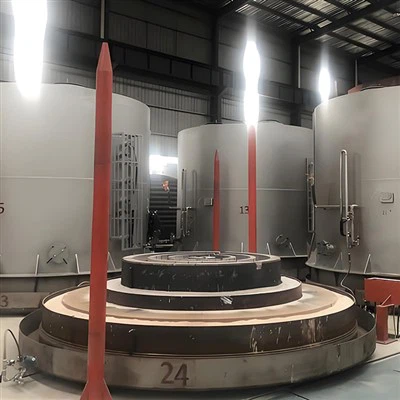
Roasting furnaces play a crucial role in the coffee roasting process. Different types of roasting furnaces offer unique advantages and are suitable for different roasting needs. As a roaster supplier, we offer a variety of roasting furnaces, including the Box Type Roasting Furnace, the Mold Roasting Furnace, and the Through - type Shell Baking Furnace.
The Box Type Roasting Furnace is ideal for small - to medium - scale roasting. It offers precise temperature control and uniform heat distribution, ensuring that the coffee beans are roasted evenly. The Mold Roasting Furnace, on the other hand, is designed for more specialized roasting applications, such as roasting coffee beans in molds to create unique shapes and flavors. The Through - type Shell Baking Furnace is suitable for large - scale roasting operations, providing high - volume capacity and efficient heat transfer.
Achieving Commercial - Quality with Home Roasters
While it may be challenging for home roasters to achieve the same level of commercial - quality as large - scale roasters, it is not impossible. With the right equipment, techniques, and knowledge, home roasters can produce high - quality coffee that rivals commercial offerings.
One key strategy is to focus on consistency. By keeping detailed records of the roasting process, including temperature, time, and bean characteristics, home roasters can replicate successful roast profiles and ensure that each batch of coffee is of consistent quality. Additionally, investing in high - quality green coffee beans and using proper storage techniques can help to preserve the flavor and aroma of the coffee.
Another important factor is the development of a personal roasting style. Home roasters have the freedom to experiment with different roast profiles and flavor combinations, allowing them to create a unique and signature coffee. By understanding the flavor profiles of different coffee beans and how they are affected by the roasting process, home roasters can develop a roasting style that suits their preferences and the needs of their customers.
Conclusion
In conclusion, while home roasters face some challenges in producing commercial - quality coffee, they also offer unique advantages, such as the ability to experiment and customize the roasting process. With the right equipment, techniques, and knowledge, home roasters can produce high - quality coffee that meets the standards of commercial roasters. As a roaster supplier, we are committed to providing our customers with the best - in - class roasting equipment and support to help them achieve their coffee - roasting goals.
If you're interested in exploring the world of home roasting or looking to upgrade your commercial roasting equipment, we invite you to contact us for a procurement discussion. Our team of experts is ready to assist you in finding the right roasting solution for your needs.
References
- Illy, A., & Viani, R. (2005). Espresso coffee: the science of quality. Academic Press.
- Thompson, E. (2018). The Coffee Roaster's Companion: Best Practices for Craft Roasting. Roasting Party Press.