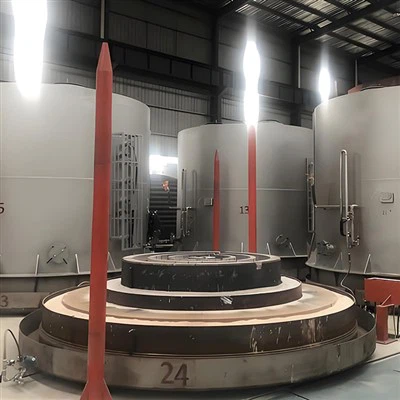
Box annealing furnaces are widely used in various industries for heat treatment processes, especially for annealing metal materials. As a supplier of Box Annealing Furnaces, I am deeply aware of the importance of understanding their environmental impacts. In this blog, I will explore the different aspects of the environmental effects associated with box annealing furnaces.
Energy Consumption
One of the most significant environmental impacts of box annealing furnaces is their energy consumption. These furnaces operate at high temperatures for extended periods to achieve the desired annealing results. The energy sources commonly used include natural gas, electricity, or a combination of both.
Natural gas - fired box annealing furnaces burn natural gas to generate heat. While natural gas is a relatively cleaner - burning fossil fuel compared to coal or oil, its combustion still releases carbon dioxide (CO₂), a major greenhouse gas. The amount of CO₂ emissions depends on the efficiency of the furnace and the volume of natural gas consumed. For example, if a furnace has poor insulation, more heat will be lost, and more natural gas will need to be burned to maintain the required temperature, leading to higher CO₂ emissions.
Electric box annealing furnaces, on the other hand, draw electricity from the grid. The environmental impact of electric furnaces is closely related to the source of the electricity. If the electricity is generated from coal - fired power plants, it will result in significant CO₂ emissions. However, if the electricity comes from renewable sources such as solar, wind, or hydroelectric power, the carbon footprint of the electric box annealing furnace can be greatly reduced.
To mitigate the energy - related environmental impact, modern box annealing furnaces are designed with improved insulation materials and advanced control systems. These features help to reduce heat loss and optimize the energy consumption of the furnace. For instance, using high - performance insulation materials can prevent heat from escaping the furnace chamber, allowing the furnace to reach and maintain the desired temperature with less energy input. Advanced control systems can adjust the heating rate and temperature based on the specific requirements of the annealing process, further improving energy efficiency.
Air Pollution
In addition to CO₂ emissions, box annealing furnaces can also contribute to air pollution. During the annealing process, the metal materials may release various pollutants into the air. For example, if the metal contains sulfur, it can react with oxygen during heating to form sulfur dioxide (SO₂), a harmful air pollutant that can cause respiratory problems and acid rain.
Some box annealing furnaces also use lubricants or coatings on the metal parts. When these substances are heated, they can release volatile organic compounds (VOCs). VOCs can react with nitrogen oxides in the presence of sunlight to form ground - level ozone, a major component of smog. High levels of ozone can cause irritation to the eyes, nose, and throat, and can also damage the lungs.
To address air pollution issues, many box annealing furnaces are equipped with air pollution control devices. These devices can capture and remove pollutants from the exhaust gases before they are released into the atmosphere. For example, scrubbers can be used to remove SO₂ from the exhaust, while activated carbon filters can adsorb VOCs.


Waste Generation
Box annealing furnaces can generate different types of waste during their operation. One type of waste is the slag or scale that forms on the surface of the metal during the annealing process. This slag contains impurities from the metal and can be difficult to dispose of. If not properly managed, it can contaminate soil and water.
Another source of waste is the spent insulation materials. Over time, the insulation in the furnace may degrade and need to be replaced. These spent insulation materials can be a significant waste stream. Some insulation materials, such as asbestos - containing insulation, are particularly hazardous and require special handling and disposal procedures.
To reduce waste generation, recycling and reuse strategies can be implemented. For example, the slag can be processed and recycled to recover valuable metals. The spent insulation materials can be recycled or replaced with more environmentally friendly alternatives.
Water Usage
Although box annealing furnaces are not typically associated with high water usage, some cooling systems in these furnaces may require water. The water is used to cool the furnace components or to condense steam in the exhaust system. If the water is not properly treated and recycled, it can lead to water pollution.
For example, the cooling water may pick up heavy metals or other contaminants from the furnace. If this water is discharged into the environment without proper treatment, it can contaminate water sources and harm aquatic life. To minimize the environmental impact of water usage, many box annealing furnaces are designed with closed - loop cooling systems. These systems recycle the water, reducing the overall water consumption and minimizing the risk of water pollution.
Comparison with Other Annealing Furnaces
When considering the environmental impacts of box annealing furnaces, it is also useful to compare them with other types of annealing furnaces, such as Vacuum Annealing Furnace and Rapid Annealing Furnace.
Vacuum annealing furnaces operate in a low - pressure environment, which can reduce the oxidation of the metal and improve the quality of the annealing process. These furnaces generally have lower energy consumption compared to box annealing furnaces because they can achieve the same annealing results at lower temperatures. However, the initial investment and maintenance costs of vacuum annealing furnaces are usually higher.
Rapid annealing furnaces, as the name suggests, can perform the annealing process in a much shorter time. They use high - power heating elements to quickly raise the temperature of the metal. While rapid annealing furnaces can increase productivity, they may consume more energy compared to box annealing furnaces.
Our Commitment as a Supplier
As a supplier of Box Annealing Furnaces, we are committed to developing and providing environmentally friendly furnace solutions. We invest in research and development to improve the energy efficiency of our box annealing furnaces. Our furnaces are designed with advanced insulation materials and intelligent control systems to minimize energy consumption and reduce CO₂ emissions.
We also pay attention to air pollution control. Our furnaces are equipped with state - of - the - art air pollution control devices to ensure that the exhaust gases meet the environmental standards. In addition, we encourage our customers to adopt recycling and waste management strategies to reduce the environmental impact of the annealing process.
Contact Us for Purchase and Discussion
If you are interested in our box annealing furnaces or want to discuss the environmental aspects of your heat treatment processes, we welcome you to contact us. We have a team of experts who can provide you with detailed information and customized solutions based on your specific requirements.
References
- Smith, J. (2018). Energy Efficiency in Heat Treatment Furnaces. Journal of Industrial Heating, 45(2), 32 - 38.
- Johnson, A. (2019). Air Pollution Control in Annealing Processes. Environmental Science and Technology, 53(10), 5670 - 5678.
- Brown, C. (2020). Waste Management in Heat Treatment Facilities. Waste Management Journal, 30(3), 789 - 796.