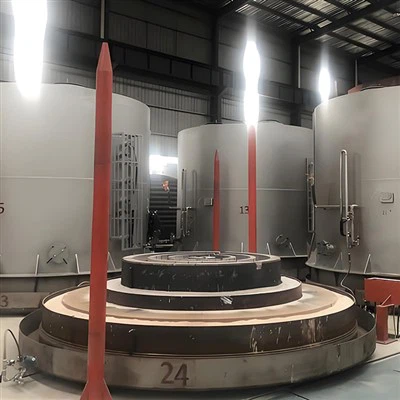
As a supplier of tempering furnaces, I've seen firsthand how crucial the control panel is in these industrial workhorses. It's like the brain of the tempering furnace, orchestrating all the processes to ensure the perfect heat treatment of materials. So, let's dive into what the control panel does and why it's so important.
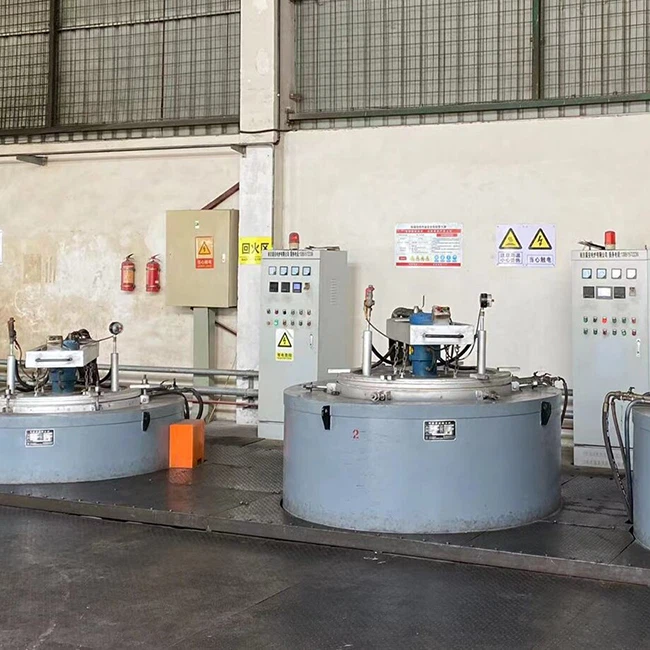

Temperature Regulation
One of the primary functions of the control panel is to regulate the temperature inside the tempering furnace. You see, different materials require different tempering temperatures to achieve the desired hardness, toughness, and other mechanical properties. The control panel allows operators to set the target temperature precisely.
For example, if you're tempering steel, you might need to set the temperature anywhere from 200°C to 650°C, depending on the type of steel and the application. The control panel uses sensors to monitor the actual temperature inside the furnace and adjusts the heating elements accordingly. If the temperature starts to deviate from the set point, the control panel will either increase or decrease the power to the heating elements to bring it back in line.
This precise temperature control is essential for producing high-quality tempered products. If the temperature is too high, the material might become over-tempered, resulting in reduced hardness and strength. On the other hand, if the temperature is too low, the material might not be fully tempered, leading to brittleness and other issues.
Time Control
In addition to temperature regulation, the control panel also manages the time the material spends in the tempering furnace. The tempering process typically involves holding the material at a specific temperature for a certain period. This time is crucial because it allows the internal structure of the material to change and stabilize.
The control panel lets operators set the tempering time, and it starts a timer once the furnace reaches the set temperature. Once the time is up, the control panel can automatically turn off the heating elements and initiate the cooling process. This ensures that the material is tempered for the exact amount of time required, which is vital for consistent product quality.
Safety Features
Safety is always a top priority in any industrial setting, and the control panel in a tempering furnace plays a significant role in ensuring a safe working environment. It comes equipped with several safety features to prevent accidents and protect both the equipment and the operators.
One of the most important safety features is the over-temperature protection. If the temperature inside the furnace exceeds a pre-set limit, the control panel will automatically shut off the heating elements to prevent damage to the furnace and the material being tempered. This helps to avoid potential fires and other hazards.
The control panel also has a low-temperature alarm. If the temperature drops below a certain level, it indicates a problem with the heating system or a leak in the furnace. The alarm alerts the operators, allowing them to take immediate action to fix the issue.
Monitoring and Data Logging
Modern control panels in tempering furnaces are often equipped with advanced monitoring and data logging capabilities. These features allow operators to keep track of the furnace's performance and the tempering process in real-time.
The control panel can display important information such as the current temperature, the set temperature, the tempering time, and the status of the heating elements. This information is crucial for operators to make informed decisions and ensure that the tempering process is running smoothly.
In addition to real-time monitoring, the control panel can also log data over time. This data can be used for quality control purposes, as well as for troubleshooting and maintenance. By analyzing the data, operators can identify trends and patterns, which can help them optimize the tempering process and improve the efficiency of the furnace.
Compatibility with Different Furnace Types
As a tempering furnace supplier, we offer a variety of furnace types to meet the diverse needs of our customers. The control panel is designed to be compatible with different types of tempering furnaces, including Nitrogen Protection Pit Tempering Furnace, Pit Type Tempering Furnace, and Trolley Tempering Furnace.
Each type of furnace has its own unique requirements and operating characteristics, and the control panel is customized to ensure optimal performance. For example, the control panel for a nitrogen protection pit tempering furnace might have additional features to control the flow of nitrogen gas and maintain the desired atmosphere inside the furnace.
Ease of Use
Another important aspect of the control panel is its ease of use. We understand that operators need to be able to operate the furnace quickly and efficiently, so we design our control panels with user-friendly interfaces.
The control panel typically has a touchscreen display that allows operators to easily set the temperature, time, and other parameters. It also provides clear instructions and feedback, making it easy for operators to understand and operate the furnace.
In addition, the control panel can be programmed to perform complex tasks automatically. For example, it can be set to start the tempering process at a specific time, or to perform a series of temperature and time cycles. This reduces the need for manual intervention and improves the efficiency of the tempering process.
Conclusion
In conclusion, the control panel is an essential component of a tempering furnace. It plays a crucial role in regulating the temperature, controlling the time, ensuring safety, monitoring the process, and providing data logging capabilities. With its compatibility with different furnace types and user-friendly interface, the control panel makes it easy for operators to achieve consistent and high-quality tempering results.
If you're in the market for a tempering furnace, or if you have any questions about the control panel or the tempering process, don't hesitate to contact us. We're here to help you find the right solution for your specific needs.
References
- "Heat Treatment Handbook," ASM International
- "Industrial Furnaces: Principles, Design, and Operation," John Wiley & Sons