Can a nitriding furnace be used for surface treatment of non - metallic materials?
Hey there! As a nitriding furnace supplier, I get asked a lot of questions about what our furnaces can and can't do. One question that comes up quite often is whether a nitriding furnace can be used for the surface treatment of non - metallic materials. Let's dive into this topic and see what we can find out.
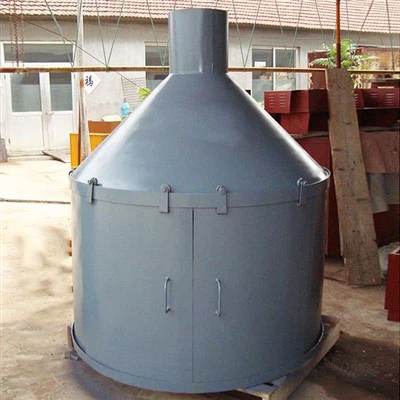
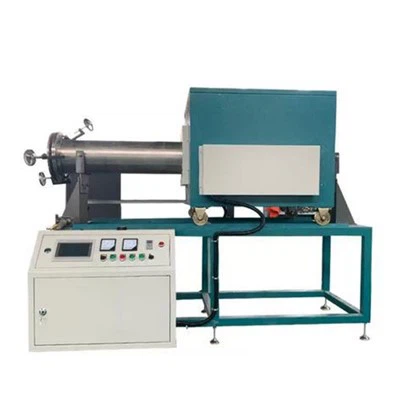
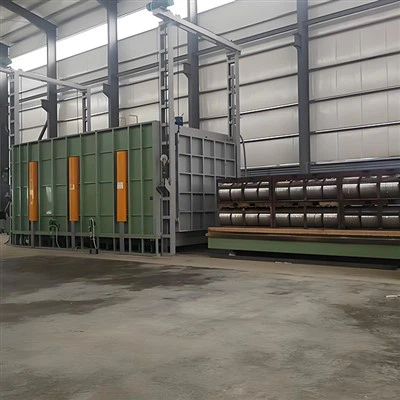
First off, let's quickly understand what a nitriding furnace does. A nitriding furnace is a specialized piece of equipment used in heat treatment processes. It's mainly designed to introduce nitrogen into the surface of a material, usually metals, to improve its properties like hardness, wear resistance, and corrosion resistance. There are different types of nitriding furnaces, such as the Pit Type Nitriding Furnace, Vacuum Nitriding Furnace, and Ion Nitriding Furnace. Each type has its own unique features and applications.
Now, when it comes to non - metallic materials, things get a bit tricky. Non - metallic materials include stuff like ceramics, polymers, and composites. These materials have very different chemical and physical properties compared to metals.
Ceramics
Ceramics are known for their high hardness, heat resistance, and electrical insulation properties. In some cases, nitriding can be used to modify the surface of ceramics. For example, silicon nitride ceramics can be further enhanced by nitriding processes. The nitrogen can react with the ceramic surface to form a harder and more wear - resistant layer. However, this process requires very precise control of temperature, pressure, and gas composition. The nitriding furnace needs to be carefully calibrated to ensure that the reaction occurs only on the surface and doesn't damage the bulk of the ceramic material.
Polymers
Polymers are a whole different ballgame. They are made up of long - chain molecules and are generally not suitable for traditional nitriding processes. The high temperatures required for nitriding can cause polymers to melt, degrade, or change their chemical structure. However, there are some advanced techniques that might allow for a form of surface modification similar to nitriding. For example, plasma - based surface treatments can be used to introduce nitrogen - containing functional groups on the polymer surface. But this is not the same as the typical nitriding process used for metals.
Composites
Composites are materials made up of two or more different substances. They can be a combination of a matrix (like a polymer) and a reinforcement (like fibers). The complexity of composites makes it difficult to use a nitriding furnace for surface treatment. The different components of the composite may react differently to the nitriding process. For instance, if the matrix is a polymer, it may not withstand the nitriding conditions, while the reinforcement may require a different treatment.
So, can a nitriding furnace be used for non - metallic materials? The answer is yes, but with limitations. In some cases, like with certain ceramics, it can be used to improve the surface properties. But for polymers and most composites, traditional nitriding methods are not suitable. However, with the advancement of technology, new ways of using nitriding - like processes for non - metallic materials are being explored.
If you're in the market for a nitriding furnace and have specific requirements regarding non - metallic materials, we're here to help. Our team of experts can work with you to understand your needs and recommend the best furnace and process for your application. Whether you're looking for a Pit Type Nitriding Furnace, Vacuum Nitriding Furnace, or Ion Nitriding Furnace, we've got you covered.
If you're interested in learning more or want to discuss your specific needs, don't hesitate to reach out. We're always happy to have a chat and see how we can assist you in your surface treatment projects.
References:


- "Surface Engineering for Corrosion and Wear Resistance" by David Croll.
- "Ceramics: Structure, Properties, Processing, and Applications" by J. Reed.
- "Polymer Science: A Comprehensive Reference" edited by K. Matyjaszewski and M. Möller.