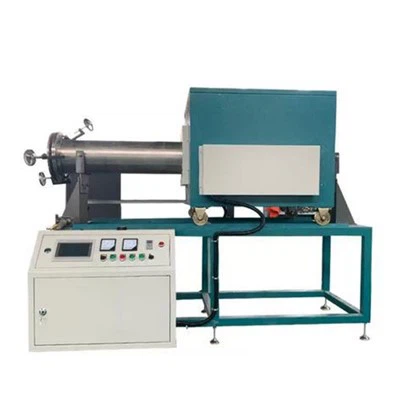
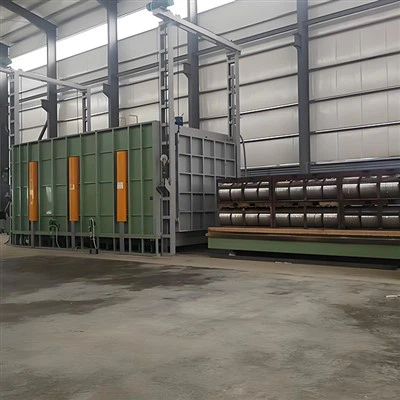
Adjusting the gas flow in a gas-fired trolley furnace is a critical process that directly impacts the furnace's performance, efficiency, and the quality of the heat treatment process. As a leading trolley furnace supplier, we understand the importance of proper gas flow adjustment and are here to share our expertise on this topic.
Understanding the Basics of Gas-Fired Trolley Furnaces
Gas-fired trolley furnaces are widely used in various industries for heat treatment processes such as annealing, tempering, and normalizing. These furnaces use natural gas or other gaseous fuels to generate heat, which is then transferred to the workpiece placed inside the furnace. The gas flow rate plays a crucial role in determining the temperature distribution, heating rate, and overall efficiency of the furnace.
Factors Affecting Gas Flow
Several factors can influence the gas flow in a gas-fired trolley furnace. These include:
- Furnace Design: The design of the furnace, including the size, shape, and layout of the combustion chamber, can affect the gas flow pattern. A well-designed furnace will ensure uniform gas distribution and efficient combustion.
- Gas Pressure: The gas pressure supplied to the furnace is a critical factor in determining the gas flow rate. Higher gas pressure generally results in a higher gas flow rate, but it also needs to be carefully regulated to avoid overheating or other safety issues.
- Burner Type and Configuration: Different types of burners have different gas flow characteristics. The burner configuration, such as the number and placement of burners, can also affect the gas flow and combustion efficiency.
- Load Characteristics: The size, shape, and material of the workpiece being heated can influence the gas flow requirements. For example, a larger or denser load may require a higher gas flow rate to achieve the desired heating rate.
Steps to Adjust the Gas Flow
Here are the general steps to adjust the gas flow in a gas-fired trolley furnace:


- Check the Gas Supply: Ensure that the gas supply is stable and within the recommended pressure range. Check for any leaks in the gas lines and make sure all valves are properly opened.
- Inspect the Burners: Examine the burners for any signs of damage or blockage. Clean or replace any clogged burners to ensure proper gas flow.
- Adjust the Gas Pressure: Use a pressure gauge to measure the gas pressure at the inlet of the furnace. Adjust the gas pressure regulator to achieve the desired pressure. Refer to the furnace manufacturer's specifications for the recommended gas pressure range.
- Set the Gas Flow Rate: Use a flow meter to measure the gas flow rate. Adjust the gas flow control valve to achieve the desired flow rate. The flow rate should be adjusted based on the furnace load, heating requirements, and burner specifications.
- Monitor the Combustion Process: Observe the flame characteristics during the combustion process. A proper flame should be blue and stable. If the flame is yellow or flickering, it may indicate incomplete combustion, which can be adjusted by further fine-tuning the gas flow or air supply.
- Calibrate the Furnace: Once the gas flow is adjusted, calibrate the furnace to ensure accurate temperature control. Use a temperature sensor to measure the temperature inside the furnace and adjust the gas flow and burner settings as needed.
Importance of Proper Gas Flow Adjustment
Proper gas flow adjustment is essential for several reasons:
- Energy Efficiency: A well-adjusted gas flow ensures efficient combustion, which reduces energy consumption and operating costs.
- Temperature Uniformity: Proper gas flow helps to achieve uniform temperature distribution inside the furnace, which is crucial for consistent heat treatment results.
- Equipment Longevity: By ensuring proper combustion and temperature control, gas flow adjustment can extend the lifespan of the furnace and its components.
- Product Quality: Consistent gas flow and temperature control are essential for producing high-quality heat-treated products.
Types of Trolley Furnaces and Their Gas Flow Requirements
As a trolley furnace supplier, we offer a variety of trolley furnaces to meet different customer needs. Here are some common types of trolley furnaces and their gas flow requirements:
- Trolley Type Heat Treatment Furnace: This type of furnace is commonly used for heat treatment processes such as annealing, tempering, and normalizing. The gas flow rate for a trolley type heat treatment furnace depends on the size of the furnace, the load capacity, and the heating requirements.
- All Fiber Trolley Furnace: All fiber trolley furnaces are known for their high energy efficiency and fast heating rates. These furnaces typically require a higher gas flow rate to achieve rapid heating.
- Trolley Type Forging Furnace: Trolley type forging furnaces are used for heating metal billets for forging operations. The gas flow rate for a trolley type forging furnace is determined by the size and weight of the billets, as well as the desired heating rate.
Tips for Gas Flow Adjustment
Here are some additional tips to help you adjust the gas flow in your gas-fired trolley furnace:
- Regular Maintenance: Perform regular maintenance on the furnace, including cleaning the burners, checking the gas lines, and inspecting the control systems. This will help ensure proper gas flow and prevent any potential issues.
- Training and Education: Provide proper training to your furnace operators on how to adjust the gas flow and operate the furnace safely. This will help ensure consistent and efficient operation.
- Monitor and Record: Keep a record of the gas flow rate, temperature, and other operating parameters. This will help you identify any trends or issues and make necessary adjustments.
- Seek Professional Help: If you are unsure about how to adjust the gas flow in your furnace, or if you encounter any problems, seek the help of a professional furnace technician.
Conclusion
Adjusting the gas flow in a gas-fired trolley furnace is a complex process that requires careful attention to detail. By understanding the factors that affect gas flow, following the proper adjustment steps, and implementing the tips mentioned above, you can ensure efficient and reliable operation of your furnace. As a trolley furnace supplier, we are committed to providing our customers with high-quality products and expert support. If you have any questions or need assistance with gas flow adjustment or any other aspect of your trolley furnace, please do not hesitate to contact us. We look forward to working with you to meet your heat treatment needs.
References
- "Gas-Fired Furnace Operation and Maintenance Manual," [Manufacturer Name]
- "Heat Treatment Handbook," [Author Name]
- "Industrial Furnace Design and Operation," [Author Name]