As a natural gas furnace supplier, I understand the importance of energy efficiency in today's world. With rising energy costs and growing environmental concerns, improving the energy efficiency of natural gas furnaces is not only beneficial for our customers but also for the planet. In this blog post, I will share some practical tips and strategies to enhance the energy efficiency of natural gas furnaces.


1. Regular Maintenance
One of the most effective ways to improve the energy efficiency of a natural gas furnace is through regular maintenance. Just like any other mechanical equipment, furnaces require proper care and attention to operate at their best. Here are some maintenance tasks that can significantly impact energy efficiency:
- Clean or Replace Air Filters: Dirty air filters restrict airflow, forcing the furnace to work harder and consume more energy. It is recommended to clean or replace air filters every 1 - 3 months, depending on usage and the type of filter.
- Inspect and Clean the Burner: Over time, burners can become dirty or clogged, leading to inefficient combustion. A professional technician should inspect and clean the burner annually to ensure proper fuel - air mixture and optimal combustion.
- Check for Leaks: Leaks in the ductwork or around the furnace can cause heat loss. Regularly inspect the ducts for any signs of leaks and seal them with appropriate materials. Also, check the furnace for any gas leaks, which can be extremely dangerous and wasteful.
2. Upgrade to High - Efficiency Models
If your natural gas furnace is old or inefficient, consider upgrading to a high - efficiency model. Modern high - efficiency furnaces are designed to convert a higher percentage of the fuel into heat, reducing energy waste. Look for furnaces with an Annual Fuel Utilization Efficiency (AFUE) rating of 90% or higher.
- Condensing Furnaces: Condensing furnaces are a popular choice for high - efficiency heating. They are designed to capture and reuse the heat from the exhaust gases, which would otherwise be wasted in traditional furnaces. This process allows them to achieve AFUE ratings of up to 98%.
- Variable - Speed Blowers: Furnaces equipped with variable - speed blowers can adjust the airflow according to the heating needs of the space. This not only improves comfort but also reduces energy consumption by operating at lower speeds when less heat is required.
3. Optimize Thermostat Settings
Proper thermostat settings can have a significant impact on the energy efficiency of your natural gas furnace. Here are some tips to optimize thermostat usage:
- Set a Programmable Thermostat: A programmable thermostat allows you to set different temperature levels for different times of the day. For example, you can lower the temperature when you are away from home or asleep and raise it when you return or wake up. This can save a substantial amount of energy over time.
- Use the "Auto" Fan Setting: Instead of setting the fan to "On" continuously, use the "Auto" setting. The fan will only run when the furnace is actively heating, reducing energy consumption.
4. Improve Insulation and Sealing
A well - insulated and sealed home can prevent heat loss and reduce the workload on your natural gas furnace. Here are some ways to improve insulation and sealing:
- Insulate the Attic and Walls: Adequate insulation in the attic and walls can prevent heat from escaping during the winter. Consider adding insulation if your home lacks sufficient insulation.
- Seal Windows and Doors: Leaky windows and doors can allow cold air to enter and warm air to escape. Use weatherstripping and caulking to seal any gaps around windows and doors.
5. Consider Zoning Systems
Zoning systems allow you to divide your home into different zones and control the temperature in each zone independently. This can be particularly useful if you have areas of your home that are used less frequently or have different heating requirements.
- Benefits of Zoning: By heating only the areas that are in use, zoning systems can reduce energy consumption and improve comfort. For example, you can set a lower temperature in the guest room when it is not being used, while maintaining a comfortable temperature in the living room.
6. Choose the Right Size Furnace
Selecting the right size furnace for your home is crucial for energy efficiency. An oversized furnace will cycle on and off frequently, wasting energy and causing temperature fluctuations. On the other hand, an undersized furnace will struggle to heat your home, leading to increased energy consumption and reduced comfort.
- Professional Sizing: A professional HVAC technician can perform a load calculation to determine the appropriate size of the furnace for your home. This calculation takes into account factors such as the size of your home, insulation levels, and climate.
Our Natural Gas Furnace Products
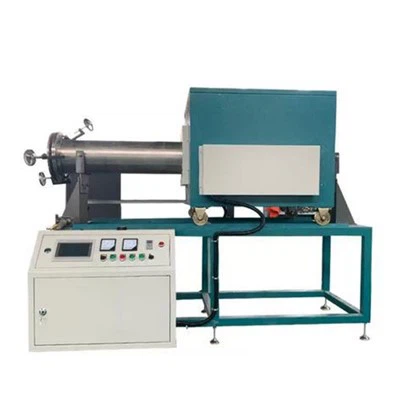
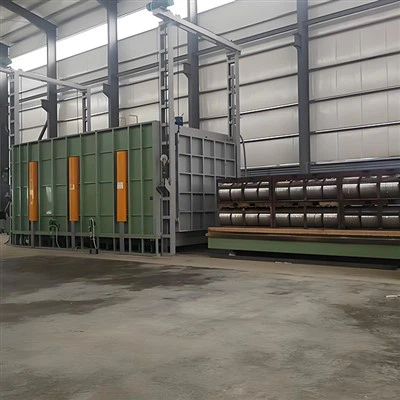
As a natural gas furnace supplier, we offer a wide range of high - efficiency furnaces to meet the diverse needs of our customers. Our product line includes Natural Gas Shell Baking Furnace, Natural Gas Trolley Furnace, and Natural Gas Forging Heating Furnace. These furnaces are designed with the latest technology to ensure optimal energy efficiency and performance.
Contact Us for Purchase and Consultation
If you are interested in improving the energy efficiency of your natural gas furnace or are considering purchasing a new furnace, we are here to help. Our team of experts can provide you with detailed information about our products, offer professional advice on energy - saving solutions, and assist you in the selection and installation process. Contact us today to start your journey towards a more energy - efficient heating system.
References
- ASHRAE Handbook - HVAC Systems and Equipment. American Society of Heating, Refrigerating and Air - Conditioning Engineers.
- Energy Star. "Energy - Efficient Heating and Cooling". U.S. Environmental Protection Agency.
- "Residential Heating Equipment". U.S. Department of Energy.