As a quenching furnace supplier, I've seen firsthand how crucial it is to get the quenching time and temperature combination just right. It's not just about following a set of rules; it's about understanding the science behind it and how it affects the final product. In this blog, I'll share some tips on how to adjust the quenching time and temperature combination in a quenching furnace.
Understanding the Basics
Before we dive into the details of adjusting the quenching time and temperature, let's first understand the basics of quenching. Quenching is a heat treatment process that involves heating a metal to a specific temperature and then rapidly cooling it. This process is used to improve the hardness, strength, and wear resistance of the metal.
The quenching process involves three main stages: heating, soaking, and cooling. During the heating stage, the metal is heated to a specific temperature, which is usually above its critical temperature. The soaking stage allows the metal to reach a uniform temperature throughout. Finally, the cooling stage involves rapidly cooling the metal to room temperature.
Factors Affecting Quenching Time and Temperature
Several factors can affect the quenching time and temperature, including the type of metal, the size and shape of the workpiece, and the quenching medium. Let's take a closer look at each of these factors.
Type of Metal
Different metals have different critical temperatures, which means they require different quenching times and temperatures. For example, steel has a higher critical temperature than aluminum, which means it requires a higher quenching temperature.


Size and Shape of the Workpiece
The size and shape of the workpiece can also affect the quenching time and temperature. Larger workpieces require longer quenching times and higher temperatures to ensure that the entire workpiece is heated evenly. Similarly, workpieces with complex shapes may require special quenching techniques to ensure that all areas of the workpiece are cooled evenly.
Quenching Medium
The quenching medium is the liquid or gas used to cool the metal during the quenching process. Different quenching media have different cooling rates, which can affect the quenching time and temperature. For example, water has a higher cooling rate than oil, which means it can quench the metal more quickly.
Adjusting the Quenching Time and Temperature
Now that we understand the factors that affect the quenching time and temperature, let's look at how to adjust them. Here are some tips to help you get the best results:
Start with the Manufacturer's Recommendations
The first step in adjusting the quenching time and temperature is to consult the manufacturer's recommendations. The manufacturer's recommendations are based on the type of metal, the size and shape of the workpiece, and the quenching medium. Following these recommendations will help you get the best results.
Conduct a Test Run
Before you start quenching a large batch of workpieces, it's a good idea to conduct a test run. This will allow you to adjust the quenching time and temperature based on the results of the test run. You can use a thermocouple to measure the temperature of the workpiece during the quenching process and adjust the quenching time and temperature accordingly.
Monitor the Quenching Process
During the quenching process, it's important to monitor the temperature of the workpiece and the quenching medium. You can use a thermocouple to measure the temperature of the workpiece and a pyrometer to measure the temperature of the quenching medium. This will allow you to adjust the quenching time and temperature if necessary.
Use a Quenching Furnace with Advanced Controls
Using a quenching furnace with advanced controls can help you adjust the quenching time and temperature more accurately. Advanced controls allow you to set the quenching time and temperature precisely and monitor the process in real-time. This can help you get the best results and reduce the risk of overheating or underheating the workpiece.
Our Quenching Furnaces
At our company, we offer a range of quenching furnaces to meet the needs of different industries. Our quenching furnaces are designed to provide precise control over the quenching time and temperature, ensuring that you get the best results. Here are some of our popular quenching furnaces:
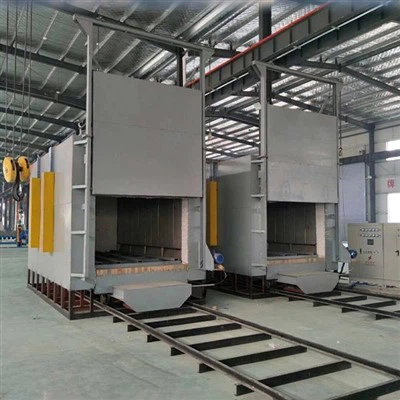
- Fully Automatic Aluminum Alloy Quenching Furnace: This furnace is designed for the quenching of aluminum alloys. It features a fully automatic control system that allows you to set the quenching time and temperature precisely.
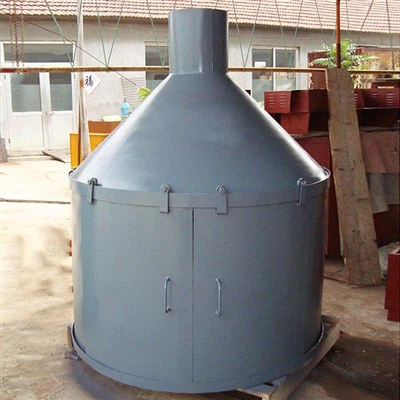
- Forklift Quenching Furnace: This furnace is designed for the quenching of forklift parts. It features a high-temperature resistance and a fast cooling rate, ensuring that the parts are quenched quickly and efficiently.
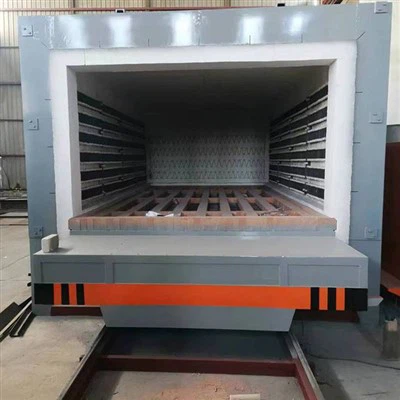
- Box Type Quenching Furnace: This furnace is designed for the quenching of small to medium-sized workpieces. It features a compact design and a high-temperature resistance, making it ideal for use in a variety of industries.
Conclusion
Adjusting the quenching time and temperature combination in a quenching furnace is a critical process that requires careful attention to detail. By understanding the factors that affect the quenching time and temperature and following the tips outlined in this blog, you can ensure that you get the best results. If you're looking for a reliable quenching furnace supplier, look no further than our company. We offer a range of quenching furnaces to meet the needs of different industries, and our team of experts is always available to provide you with the support and guidance you need. Contact us today to learn more about our quenching furnaces and how they can help you improve your production process.
References
- ASM Handbook, Volume 4: Heat Treating
- Metals Handbook, Volume 4: Heat Treating
- Heat Treating: Principles and Processes, by Robert E. Reed-Hill and Robert W. Rohrer