Can a box furnace be used for calcination?
Calcination is a crucial thermal treatment process widely employed in various industries, including metallurgy, ceramics, and chemical engineering. It involves heating a solid material to a high temperature, typically below its melting point, to bring about physical and chemical changes such as decomposition, phase transitions, and removal of volatile substances. As a leading supplier of box furnaces, I am frequently asked whether our Box Type Furnace can be used for calcination. In this blog post, I will delve into the capabilities of box furnaces for calcination, exploring their features, advantages, and limitations.
Understanding Box Furnaces
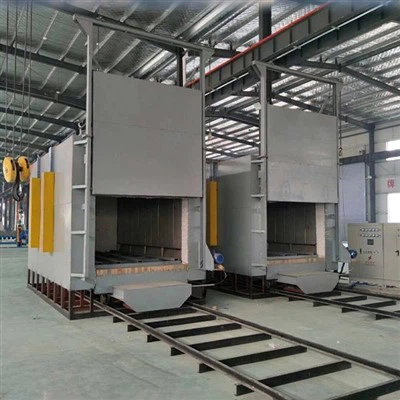
Box furnaces, also known as chamber furnaces, are enclosed heating chambers designed to provide a controlled environment for heat treatment processes. They come in various sizes, configurations, and heating methods, including electric, natural gas, and oil. Our company offers a wide range of box furnaces, including Natural Gas Box Furnace and Oil Box Furnace, to meet the diverse needs of our customers.
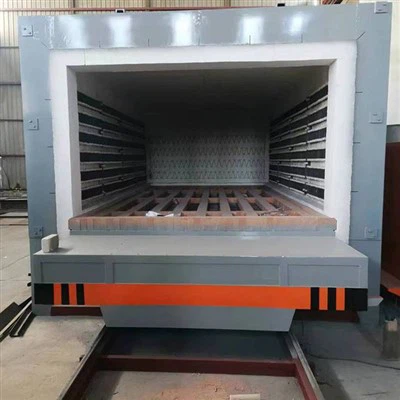
Box furnaces are characterized by their rectangular or cubic shape, with a door on one side for loading and unloading materials. They are equipped with heating elements, insulation materials, and temperature control systems to ensure uniform heating and precise temperature regulation. The interior of the furnace is typically lined with refractory materials to withstand high temperatures and protect the heating elements from damage.
Capabilities of Box Furnaces for Calcination
Box furnaces are well-suited for calcination due to their ability to provide a controlled and uniform heating environment. The enclosed chamber design minimizes heat loss and ensures that the material being calcined is exposed to a consistent temperature throughout the process. This is essential for achieving the desired physical and chemical changes in the material.
One of the key advantages of using a box furnace for calcination is its flexibility. Box furnaces can be customized to meet the specific requirements of different calcination processes. For example, they can be equipped with different heating elements, insulation materials, and temperature control systems to achieve different temperature ranges and heating rates. This allows for precise control of the calcination process, ensuring that the material is heated to the optimal temperature for the desired reaction.
Another advantage of box furnaces is their ease of use. They are relatively simple to operate and maintain, making them suitable for both small-scale and large-scale production. The temperature control systems are typically user-friendly, allowing operators to set and monitor the temperature of the furnace with ease. Additionally, box furnaces are designed to be energy-efficient, reducing operating costs and minimizing environmental impact.
Factors to Consider When Using a Box Furnace for Calcination
While box furnaces are suitable for calcination, there are several factors that need to be considered to ensure the success of the process. These factors include the type of material being calcined, the desired temperature range and heating rate, the size and shape of the material, and the presence of any volatile substances or impurities.
The type of material being calcined is an important consideration as different materials have different calcination requirements. For example, some materials may require a higher temperature or a longer calcination time to achieve the desired reaction. It is important to choose a box furnace that is capable of reaching the required temperature range and providing the necessary heating rate for the specific material being calcined.
The size and shape of the material also need to be considered when using a box furnace for calcination. The material should be placed in the furnace in a way that allows for uniform heating. If the material is too large or too dense, it may not be heated evenly, resulting in incomplete calcination or uneven product quality. Additionally, the presence of any volatile substances or impurities in the material can affect the calcination process. These substances may need to be removed before calcination to prevent them from interfering with the reaction or causing damage to the furnace.
Limitations of Box Furnaces for Calcination
While box furnaces offer many advantages for calcination, they also have some limitations. One of the main limitations is their relatively slow heating and cooling rates compared to other types of furnaces, such as rotary kilns. This can result in longer processing times, which may not be suitable for high-volume production.
Another limitation of box furnaces is their limited capacity. They are typically designed for batch processing, which means that the material needs to be loaded and unloaded manually. This can be time-consuming and labor-intensive, especially for large-scale production. Additionally, the size of the box furnace may limit the size and quantity of the material that can be calcined at one time.
Conclusion
In conclusion, box furnaces can be effectively used for calcination in a wide range of applications. Their ability to provide a controlled and uniform heating environment, flexibility, and ease of use make them a popular choice for both small-scale and large-scale production. However, it is important to consider the specific requirements of the calcination process, including the type of material being calcined, the desired temperature range and heating rate, the size and shape of the material, and the presence of any volatile substances or impurities. By choosing the right box furnace and optimizing the calcination process, it is possible to achieve high-quality products with consistent results.


If you are interested in using a box furnace for calcination or have any questions about our products, please do not hesitate to contact us. Our team of experts is available to provide you with more information and assist you in choosing the right box furnace for your specific needs. We look forward to working with you to achieve your calcination goals.
References
- Smith, J. (2018). Thermal Processing in Materials Science. New York: Wiley.
- Jones, A. (2019). Calcination Processes in the Chemical Industry. London: Elsevier.
- Brown, R. (2020). Furnace Technology for High-Temperature Applications. Berlin: Springer.