Hey there, fellow furnace enthusiasts! I'm part of a crucible furnace vendor, and I've seen firsthand the importance of good insulation performance in these bad boys. A well-insulated crucible furnace not only saves energy but also extends the furnace's lifespan and improves the quality of the melting process. So, let's dive into how you can boost the insulation performance of your crucible furnace.


Understanding the Basics of Crucible Furnace Insulation
Before we get into the nitty-gritty of improving insulation, let's quickly go over why insulation is so crucial in a crucible furnace. Insulation acts as a barrier between the hot interior of the furnace and the cooler outside environment. This means less heat escapes, which translates to lower energy costs and a more stable melting environment. When your furnace is well-insulated, it can reach and maintain the desired melting temperature more efficiently, reducing melting times and increasing productivity.
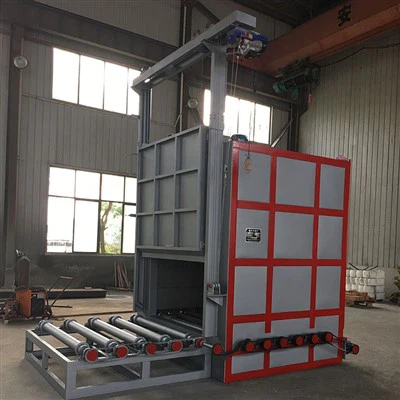
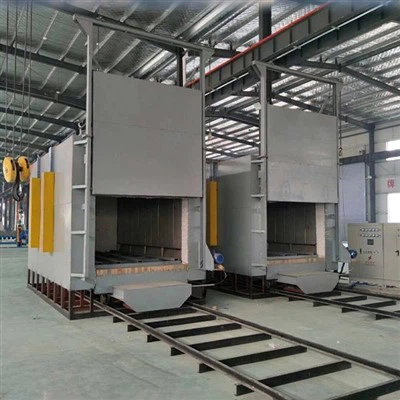
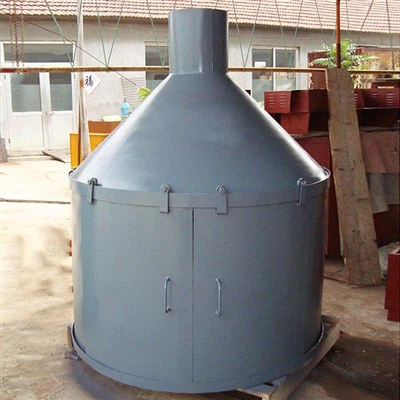
There are different types of crucible furnaces out there, each with its own unique insulation needs. For instance, check out our Crucible Melting Resistance Furnace. This type relies on electrical resistance to generate heat, and proper insulation can ensure that the heat generated is used effectively for melting. Then, we have the Tilting Crucible Melting Furnace, which offers convenience in pouring molten metal. Good insulation here helps preserve the heat during the pouring process without significant losses. And if you're into gas-powered options, our Gas Crucible Aluminum Melting Furnace can benefit greatly from top-notch insulation to control and make the most of the heat from the gas combustion.
Selecting the Right Insulation Materials
The first step in improving insulation performance is choosing the right materials. There are several options available, each with its own pros and cons.
- Fibrous Insulation: Fiberglass and ceramic fibers are popular choices. They're lightweight, easy to install, and offer good thermal resistance. Fiberglass is more affordable and suitable for lower temperature applications. Ceramic fibers, on the other hand, can handle much higher temperatures, making them ideal for crucible furnaces that operate at extreme heat levels. However, they can be a bit more expensive and require proper handling due to their potential to cause irritation.
- Refractory Bricks: These are dense, heat-resistant bricks made from materials like fireclay or alumina. They provide excellent insulation and can withstand high mechanical stress. Refractory bricks are great for lining the interior of the furnace and can last a long time if properly installed. But they're heavy and can make the furnace bulkier.
- Insulating Castables: These are a mix of refractory aggregates, binders, and additives. They can be poured or troweled into place, making them suitable for complex shapes and areas where bricks might be difficult to install. Insulating castables offer good insulation and can be customized for different temperature requirements.
When selecting insulation materials, consider the operating temperature of your crucible furnace, the budget, and the ease of installation and maintenance.
Proper Installation of Insulation
Even the best insulation materials won't do much good if they're not installed correctly. Here are some tips for proper installation:
- Seal All Gaps and Joints: Any gaps or joints in the insulation can allow heat to escape. Use high-temperature sealants to fill these gaps and ensure a tight fit between insulation layers. This is especially important around doors, vents, and any openings in the furnace.
- Layering Insulation: Instead of using a single thick layer of insulation, consider using multiple layers of different materials. This can create a more effective insulation system, as each layer can provide different levels of thermal resistance. For example, you could start with a layer of fibrous insulation next to the furnace walls, followed by a layer of refractory bricks for added heat protection.
- Proper Compression: Make sure the insulation is properly compressed during installation. This helps to eliminate air pockets, which can reduce the insulation's effectiveness. However, be careful not to over - compress the insulation, as this can damage the material and reduce its thermal resistance.
Regular Maintenance and Inspection
Once your insulation is installed, it's important to keep an eye on it and perform regular maintenance. Over time, insulation can degrade due to factors like high temperatures, chemical exposure, and mechanical stress.
- Inspect for Damage: Regularly inspect the insulation for signs of damage, such as cracks, holes, or erosion. If you notice any damage, repair or replace the affected insulation immediately. Ignoring damaged insulation can lead to higher energy consumption and can even damage the furnace.
- Clean the Insulation: Remove any dust, debris, or contaminants from the insulation surface. These can reduce the insulation's effectiveness and may even cause corrosion in some cases. Use a soft brush or vacuum cleaner to clean the insulation gently.
- Monitor Temperature and Energy Consumption: Keep track of the furnace's operating temperature and energy consumption. If you notice a sudden increase in energy usage or a drop in temperature, it could be a sign of insulation problems. Investigate and address the issue promptly.
Advanced Insulation Techniques
If you're looking to take your crucible furnace's insulation performance to the next level, there are some advanced techniques you can consider.
- Vacuum Insulation Panels (VIPs): These are high - performance insulation panels that use a vacuum to reduce heat transfer. VIPs offer significantly better insulation than traditional materials and can be used to reduce the thickness of the insulation while maintaining the same level of performance. However, they're more expensive and can be more difficult to install.
- Nanostructured Insulation Materials: These materials have unique properties at the nanoscale that allow them to provide excellent insulation. They're still relatively new in the market, but they show great promise for improving the energy efficiency of crucible furnaces.
Benefits of Improving Insulation Performance
By improving the insulation performance of your crucible furnace, you can enjoy several benefits:
- Energy Savings: One of the most significant benefits is reduced energy consumption. A well - insulated furnace requires less energy to reach and maintain the desired melting temperature, which can lead to substantial cost savings in the long run.
- Extended Furnace Lifespan: Good insulation helps to protect the furnace's components from excessive heat, reducing wear and tear. This can extend the lifespan of the furnace and reduce the need for costly repairs and replacements.
- Improved Product Quality: A more stable melting environment provided by better insulation can result in higher - quality molten metal. This can improve the quality of the final product and reduce the number of rejects.
Let's Talk!
If you're interested in improving the insulation performance of your crucible furnace or are looking to purchase a new one, we're here to help. Our team of experts can provide you with advice on the best insulation materials and techniques for your specific needs. Contact us to start a conversation about how we can enhance your furnace's performance and efficiency.
References
- White, J. (2020). Industrial Furnace Technology. Elsevier.
- Smith, A. (2019). Insulation Materials for High - Temperature Applications. Journal of Thermal Sciences.