Hey there! I'm a supplier of aging furnaces, and today I wanna chat about the functions of the data - recording system in an aging furnace.


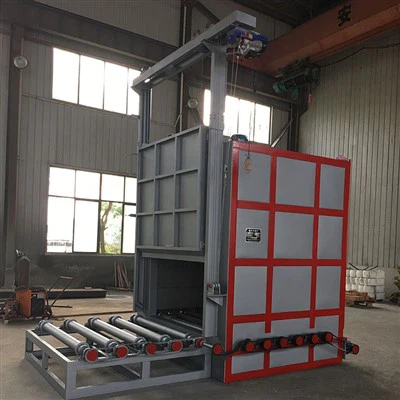
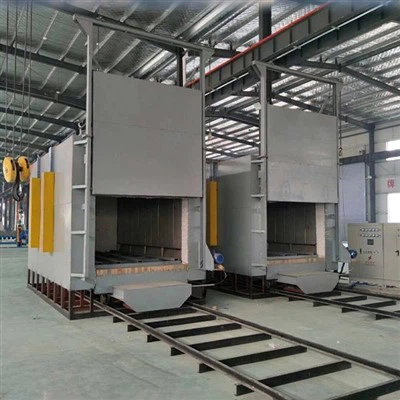
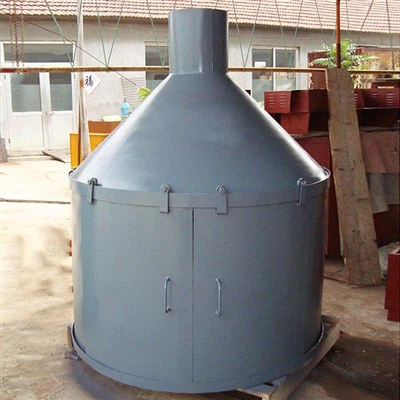
First off, let's understand what an aging furnace is. An aging furnace is a crucial piece of equipment used in heat - treatment processes. It helps to improve the mechanical properties of materials like aluminum alloys. We offer different types of aging furnaces, such as the Trolley Type Aluminum Alloy Aging Furnace, Pit Type Aluminum Alloy Aging Furnace, and Aluminum Wire Aging Furnace.
Now, let's dig into the data - recording system. One of the main functions of the data - recording system in an aging furnace is to monitor the temperature. Temperature is a critical factor in the aging process. If the temperature is too high or too low, it can affect the quality of the materials being treated. The data - recording system keeps track of the temperature at different points inside the furnace over time. This way, we can ensure that the temperature remains within the optimal range for the specific material we're working with.
For example, when we're using an aging furnace to treat aluminum alloys, different alloys have different optimal aging temperatures. The data - recording system allows us to set the desired temperature and then continuously monitor if it's being maintained. If there's a deviation from the set temperature, it can send an alert. This helps us take immediate action to correct the temperature and prevent any potential damage to the materials.
Another important function is to record the time. The aging process is not just about temperature; the duration of the aging also matters. The data - recording system keeps a log of how long the materials have been in the furnace. This is essential because different materials require different aging times to achieve the desired mechanical properties. For instance, some aluminum alloys might need to be aged for a few hours, while others could require days. By accurately recording the time, we can ensure that the aging process is carried out for the appropriate duration.
The data - recording system also helps with quality control. By having a detailed record of the temperature and time during the aging process, we can analyze the data later. If there are any issues with the quality of the treated materials, we can go back and review the recorded data to identify if there were any problems with the temperature or time settings. This allows us to make adjustments for future batches and improve the overall quality of our products.
In addition to temperature and time, the data - recording system can also record other parameters. For example, it can record the humidity inside the furnace if that's relevant to the aging process. Some materials might be sensitive to humidity, and by monitoring it, we can ensure that the environment inside the furnace is optimal. It can also record the pressure in the furnace, especially in cases where the aging process is carried out under specific pressure conditions.
The data - recording system also provides historical data. This is really useful for us as a supplier. We can use this data to show our customers how well our aging furnaces perform. It gives them confidence in our products because they can see that we have a reliable system for monitoring and controlling the aging process. We can also use the historical data for research and development purposes. By analyzing the data from different batches and different materials, we can improve our furnace designs and optimize the aging processes.
Moreover, the data - recording system can be integrated with other systems. For example, it can be connected to a central control system in a factory. This allows for remote monitoring and control. We can access the data from the aging furnace from anywhere, as long as we have an internet connection. This is really convenient, especially for large - scale operations where multiple furnaces are in use. We can monitor all the furnaces at once and make adjustments as needed.
Now, if you're in the market for an aging furnace, you'll want a reliable data - recording system. Our aging furnaces come with state - of - the - art data - recording systems that offer all the functions I've mentioned above. Whether you need a Trolley Type Aluminum Alloy Aging Furnace, Pit Type Aluminum Alloy Aging Furnace, or Aluminum Wire Aging Furnace, we've got you covered.
If you're interested in learning more about our aging furnaces and their data - recording systems, don't hesitate to reach out. We're here to help you find the best solution for your specific needs. Whether you're a small - scale operation or a large - scale industrial facility, we can provide the right aging furnace for you. So, let's start a conversation and see how we can work together to improve your heat - treatment processes.
References:
- General knowledge of heat - treatment processes and aging furnaces.
- Industry standards and best practices for data - recording in aging furnaces.