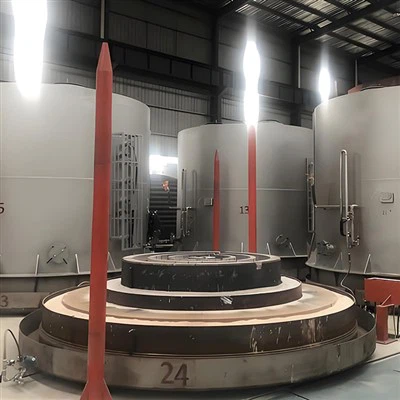
Hey there! As a supplier of crucible furnaces, I've seen firsthand how crucial it is to optimize their performance. Whether you're in the metalworking industry or involved in any application that requires melting materials, getting the most out of your crucible furnace can save you time, money, and headaches. In this blog post, I'll share some tips and tricks on how to optimize the performance of a crucible furnace.
Choose the Right Furnace for Your Needs
First things first, you need to make sure you're using the right type of crucible furnace for your specific application. There are different types of crucible furnaces available, each with its own advantages and limitations.
For example, the Crucible Melting Resistance Furnace is great for applications that require precise temperature control. It uses electrical resistance to generate heat, which allows for very accurate temperature regulation. This type of furnace is often used in laboratories and small-scale production environments where consistency is key.
If you need to pour molten metal quickly and easily, the Tilting Crucible Melting Furnace might be a better choice. As the name suggests, this furnace can be tilted to pour the molten metal into molds or other containers. It's commonly used in foundries and large-scale manufacturing operations.
Another option is the Gas Crucible Aluminum Melting Furnace. This furnace uses gas as a fuel source, which can be more cost-effective than electricity in some cases. It's particularly well-suited for melting aluminum and other non-ferrous metals.
Proper Installation and Setup
Once you've chosen the right furnace, it's important to install and set it up correctly. Make sure the furnace is placed on a stable, level surface that can support its weight. Follow the manufacturer's instructions carefully when connecting the electrical or gas supply to ensure safe and proper operation.
Proper ventilation is also crucial. Crucible furnaces generate a lot of heat and fumes, so you need to have adequate ventilation in the area where the furnace is located. This will help prevent the buildup of harmful gases and keep the working environment safe.
Regular Maintenance
Regular maintenance is essential for optimizing the performance of your crucible furnace. Here are some key maintenance tasks you should perform:


- Clean the Furnace Regularly: Over time, debris and contaminants can build up inside the furnace, which can affect its performance. Use a soft brush or vacuum cleaner to remove any dust, dirt, or metal shavings from the furnace chamber and heating elements.
- Inspect the Crucible: The crucible is the container that holds the material being melted. Check it regularly for cracks, chips, or other signs of damage. A damaged crucible can leak molten metal, which is not only dangerous but can also cause damage to the furnace. Replace the crucible if it shows any signs of wear or damage.
- Check the Heating Elements: The heating elements are responsible for generating the heat needed to melt the material. Inspect them regularly for signs of wear, such as discoloration or breakage. If the heating elements are damaged, they should be replaced as soon as possible to ensure efficient operation.
- Lubricate Moving Parts: If your furnace has any moving parts, such as the tilting mechanism on a tilting crucible furnace, make sure to lubricate them regularly. This will help reduce friction and prevent premature wear.
Optimize the Melting Process
The way you operate the furnace during the melting process can also have a big impact on its performance. Here are some tips to help you optimize the melting process:
- Preheat the Furnace: Preheating the furnace before adding the material to be melted can help reduce the melting time and improve energy efficiency. Follow the manufacturer's recommendations for preheating times and temperatures.
- Use the Right Amount of Material: Overloading the crucible can cause uneven melting and may even damage the furnace. Make sure to use the recommended amount of material for the size of the crucible.
- Stir the Molten Metal: Stirring the molten metal during the melting process can help ensure uniform temperature distribution and prevent the formation of hot spots. Use a suitable stirring tool, such as a graphite rod, to stir the metal gently.
- Control the Temperature: Maintaining the correct temperature is crucial for successful melting. Use a temperature controller to monitor and adjust the temperature as needed. Avoid overheating the furnace, as this can cause damage to the crucible and heating elements.
Train Your Operators
Finally, make sure your operators are properly trained on how to use and maintain the crucible furnace. Provide them with comprehensive training on the furnace's operation, safety procedures, and maintenance requirements. Encourage them to follow the best practices outlined in this blog post to ensure optimal performance.
In conclusion, optimizing the performance of a crucible furnace requires a combination of choosing the right furnace, proper installation and setup, regular maintenance, optimizing the melting process, and training your operators. By following these tips, you can improve the efficiency, reliability, and lifespan of your crucible furnace.
If you're interested in learning more about our crucible furnaces or have any questions about optimizing their performance, feel free to reach out to us. We're here to help you get the most out of your investment.
References
- Manufacturer's manuals for crucible furnaces
- Industry best practices for crucible furnace operation and maintenance