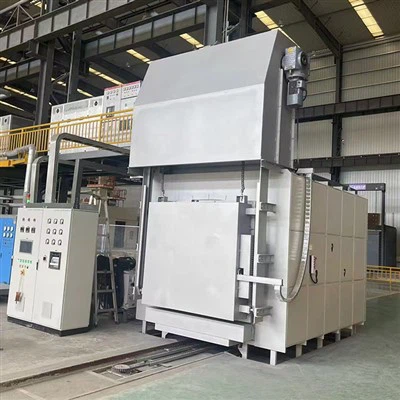
As a supplier of Mold Roasting Furnace, I've seen firsthand how energy consumption can take a toll on the bottom line of businesses using these furnaces. It's not just about saving money, though that's a huge plus. Reducing energy consumption also helps in cutting down on environmental impact, which is becoming an increasingly important factor for many companies. So, let's dive into some practical ways to reduce the energy consumption of a mold roasting furnace.
Optimize the Furnace Design
The design of the furnace plays a crucial role in its energy efficiency. A well - designed furnace can minimize heat loss and ensure that the energy used is effectively utilized for the roasting process.
- Insulation: One of the most effective ways to reduce energy consumption is to improve the furnace's insulation. High - quality insulation materials can prevent heat from escaping the furnace chamber. For example, using ceramic fiber insulation can significantly reduce heat loss compared to traditional insulation materials. This means that less energy is needed to maintain the desired temperature inside the furnace.
- Sealing: Proper sealing of the furnace doors and other openings is also essential. Leaky seals can allow hot air to escape and cold air to enter, which forces the furnace to work harder to maintain the set temperature. Regularly check and replace worn - out seals to ensure a tight fit.
Control the Roasting Process
How you operate the furnace during the roasting process can have a big impact on energy consumption.
- Temperature Control: Use a precise temperature control system to avoid over - heating. Many modern furnaces come with advanced temperature controllers that can maintain a stable temperature within a narrow range. By accurately controlling the temperature, you can prevent unnecessary energy waste. For instance, if the roasting process only requires a temperature of 800°C, setting the furnace to 900°C will consume more energy without any additional benefit.
- Roasting Time: Optimize the roasting time based on the type of mold and the required roasting quality. Over - roasting not only wastes energy but can also damage the molds. Conduct tests to determine the minimum time needed to achieve the desired roasting results, and stick to this time during production.
Use Energy - Efficient Equipment
Investing in energy - efficient components for the furnace can lead to long - term energy savings.
- Heating Elements: Choose high - efficiency heating elements. For example, some modern heating elements are designed to convert a higher percentage of electrical energy into heat energy. This means that less electricity is wasted as heat is transferred to the molds.
- Fans and Blowers: Energy - efficient fans and blowers can circulate the hot air inside the furnace more effectively. This ensures uniform heating of the molds, reducing the need for excessive heating to compensate for temperature variations.
Implement Regular Maintenance
Regular maintenance is key to keeping the furnace running at peak efficiency.
- Cleaning: Keep the furnace clean, especially the heating elements and the interior of the chamber. Dust and debris can accumulate over time, which can reduce the efficiency of the heating elements and block the air circulation. Regular cleaning can prevent these issues and ensure that the furnace operates smoothly.
- Component Inspection: Regularly inspect all components of the furnace, including the heating elements, fans, and temperature sensors. Replace any worn - out or malfunctioning components promptly. A faulty component can cause the furnace to consume more energy than necessary.
Consider Different Furnace Types
Depending on your specific needs, different types of furnaces may offer better energy efficiency.
- Through - type Shell Baking Furnace: This type of furnace is suitable for continuous production. It allows the molds to pass through the furnace in a continuous flow, which can reduce the energy consumption associated with starting and stopping the furnace multiple times.
- Box Type Shell Baking Furnace: Box - type furnaces are more suitable for batch processing. They can be designed with excellent insulation and sealing, which can help in reducing energy loss during the roasting process.
Employee Training
Properly trained employees can operate the furnace more efficiently.
- Operating Procedures: Train your employees on the correct operating procedures for the furnace. This includes how to set the temperature, control the roasting time, and perform basic maintenance tasks. A well - trained operator can avoid common mistakes that lead to increased energy consumption.
- Energy - Saving Awareness: Raise awareness among your employees about the importance of energy saving. Encourage them to look for ways to reduce energy consumption in their daily work, such as turning off the furnace when not in use or reporting any signs of inefficiency promptly.
Energy Management Systems
Implement an energy management system to monitor and control the energy consumption of the furnace.


- Monitoring: Use sensors and meters to monitor the energy consumption of the furnace in real - time. This data can help you identify patterns and areas where energy is being wasted. For example, if you notice that the furnace consumes more energy during a particular shift, you can investigate the cause and take corrective actions.
- Automation: Automate the furnace operation as much as possible. An automated system can adjust the temperature, roasting time, and other parameters based on the production requirements. This can help in optimizing the energy consumption and reducing human error.
In conclusion, reducing the energy consumption of a mold roasting furnace is not a one - time task but an ongoing process. By implementing these strategies, you can significantly reduce your energy costs and minimize the environmental impact of your operations. If you're interested in learning more about how our Mold Roasting Furnace can help you achieve these goals, or if you're looking to purchase a new furnace, feel free to reach out for a procurement discussion. We're here to help you find the most energy - efficient solution for your business.
References
- Smith, J. (2020). Energy - efficient furnace design. Journal of Industrial Heating, 45(2), 34 - 40.
- Johnson, A. (2019). Optimizing roasting processes for energy savings. Manufacturing Today, 32(4), 56 - 62.