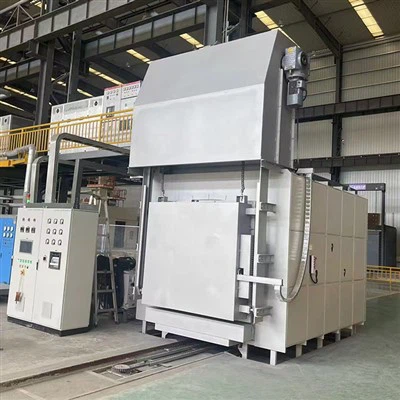
When it comes to natural gas furnaces, one of the most common questions we get from our customers is about the difference between single - stage and two - stage models. As a natural gas furnace supplier, we understand the importance of making an informed decision when choosing a furnace for your home or business. In this blog post, we'll delve into the details of single - stage and two - stage natural gas furnaces, highlighting their features, advantages, and disadvantages to help you make the right choice.
Single - Stage Natural Gas Furnaces
A single - stage natural gas furnace operates at a single, fixed level of heating output. This means that when the thermostat calls for heat, the furnace turns on at full capacity and runs until the desired temperature is reached. Once the temperature is achieved, the furnace shuts off completely.
How They Work
The basic operation of a single - stage furnace is straightforward. The burner ignites, and the furnace blows hot air into the ductwork at a constant rate. For example, if you have a 100,000 BTU (British Thermal Units) single - stage furnace, it will operate at 100,000 BTU every time it turns on.
Advantages
- Simplicity: Single - stage furnaces are relatively simple in design and operation. This simplicity often translates into lower upfront costs. They are also easier to install and maintain, which can save you money in the long run.
- Affordability: Since they have fewer components and a less complex design, single - stage furnaces are generally more affordable to purchase compared to two - stage models. This makes them a popular choice for budget - conscious consumers.
Disadvantages
- Temperature Fluctuations: Because single - stage furnaces operate at full capacity or not at all, they can cause significant temperature fluctuations in your home. When the furnace turns on, it may heat the space too quickly, leading to overheating. Then, when it shuts off, the temperature can drop rapidly, resulting in an uncomfortable environment.
- Higher Energy Consumption: Running at full capacity all the time can lead to higher energy consumption, especially in milder weather. This can result in higher utility bills over time.
Two - Stage Natural Gas Furnaces
A two - stage natural gas furnace has two levels of heating output: a low stage and a high stage. The low stage provides a lower level of heat, typically around 60 - 70% of the furnace's maximum capacity. The high stage, on the other hand, operates at full capacity, similar to a single - stage furnace.
How They Work
When the thermostat calls for heat, the two - stage furnace first starts in the low stage. If the low stage is not sufficient to reach the desired temperature within a certain period, the furnace will switch to the high stage. For instance, if you have a 100,000 BTU two - stage furnace, it might start at 60,000 BTU (low stage) and then switch to 100,000 BTU (high stage) if needed.
Advantages
- Enhanced Comfort: The two - stage operation allows for more precise temperature control. The low stage can maintain a consistent temperature with fewer temperature fluctuations, providing a more comfortable living environment.
- Energy Efficiency: In milder weather, the furnace can operate in the low stage, which uses less energy. This can lead to significant energy savings over time, resulting in lower utility bills.
- Quieter Operation: Since the low stage produces less heat and requires less power, the furnace operates more quietly compared to running at full capacity all the time.
Disadvantages
- Higher Upfront Cost: Two - stage furnaces are generally more expensive to purchase and install than single - stage furnaces. This is due to their more complex design and additional components.
- More Complex Maintenance: The additional components in a two - stage furnace can make maintenance more complicated. You may need to hire a professional technician with experience in two - stage furnace repair.
Which One is Right for You?
The choice between a single - stage and a two - stage natural gas furnace depends on several factors, including your budget, climate, and comfort preferences.


- Budget: If you're on a tight budget, a single - stage furnace may be the more affordable option. However, if you can afford the higher upfront cost, a two - stage furnace can save you money on energy bills in the long run.
- Climate: In regions with milder climates, a single - stage furnace may be sufficient. However, in areas with extreme temperature variations, a two - stage furnace can provide better comfort and energy efficiency.
- Comfort Preferences: If you're sensitive to temperature fluctuations and value a consistent, comfortable environment, a two - stage furnace is likely the better choice.
Our Product Offerings
As a natural gas furnace supplier, we offer a wide range of single - stage and two - stage natural gas furnaces to meet your needs. Our Natural Gas Shell Baking Furnace is designed for efficient baking processes, while our Natural Gas Trolley Furnace provides flexibility for various heating applications. We also have the Natural Gas Forging Heating Furnace, which is ideal for forging operations.
Contact Us for Purchase and Consultation
If you're interested in purchasing a natural gas furnace or need more information about our products, we invite you to contact us. Our team of experts is ready to assist you in choosing the right furnace for your specific requirements. Whether you're looking for a single - stage or two - stage furnace, we can provide you with detailed information and guidance to make an informed decision.
References
- "Heating Systems Basics." Energy.gov.
- "Furnace Efficiency Ratings." Consumer Reports.