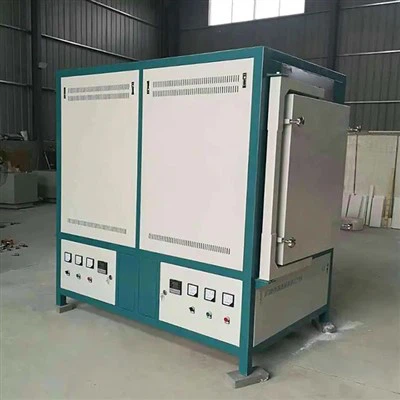
Hey there! As a supplier of resistance furnaces, I've seen my fair share of issues with these machines. Resistance furnaces are super useful in a bunch of industries for heating and melting stuff. But just like any other piece of equipment, they can run into problems. In this blog, I'm gonna talk about some common faults of resistance furnaces and how you can troubleshoot them.
1. Heating Element Problems
One of the most common issues with resistance furnaces is problems with the heating elements. These elements are the heart of the furnace, responsible for generating the heat.
Fault: Heating Element Burnout
Over time, heating elements can burn out due to high temperatures and continuous use. When this happens, the furnace won't heat up properly or might not heat at all. You can usually tell if an element is burned out if you see visible damage like breaks or discoloration.
Troubleshooting: First, make sure the furnace is turned off and unplugged. Then, visually inspect the heating elements. If you find a burned - out element, you'll need to replace it. We offer a variety of high - quality heating elements for different types of resistance furnaces, including Box Type Resistance Furnace and Car - type Resistance Furnace. Just follow the manufacturer's instructions for replacement, which usually involve removing the old element and installing the new one.
Fault: Loose Connections
Loose connections between the heating elements and the power supply can also cause problems. This can lead to inconsistent heating or intermittent power loss. You might notice that the furnace heats up unevenly or shuts off randomly.
Troubleshooting: Check all the electrical connections to the heating elements. Make sure they are tight and free of corrosion. If you find any loose wires or connections, tighten them up. If there's corrosion, clean it off using a wire brush or a suitable electrical cleaner.
2. Temperature Control Issues
Accurate temperature control is crucial in a resistance furnace. If the temperature is off, it can affect the quality of the products being processed.
Fault: Incorrect Temperature Reading
The temperature sensor in the furnace might give incorrect readings. This can be due to a faulty sensor or a problem with the control system. You might see the temperature display showing a different temperature than what's actually inside the furnace.
Troubleshooting: First, check if the temperature sensor is properly installed. Sometimes, it can get knocked out of place. If it seems okay, you can use a separate thermometer to measure the actual temperature inside the furnace. Compare the readings. If they're way off, the sensor might be faulty. Replace it according to the manufacturer's instructions. We have top - notch temperature sensors available for all our resistance furnace models, including Large Pit Type Resistance Furnace.
Fault: Temperature Over - or Under - shoot
The furnace might overshoot or undershoot the set temperature. This can happen if the control system is not calibrated correctly or if there are issues with the heating elements.
Troubleshooting: Check the control system settings. Make sure the temperature setpoint is correct and that the control algorithm is appropriate for your application. If the problem persists, it could be a sign of a malfunctioning heating element. As mentioned earlier, inspect and replace the heating elements if necessary.
3. Insulation Problems
Good insulation is essential in a resistance furnace to prevent heat loss and maintain efficient operation.
Fault: Damaged Insulation
The insulation material inside the furnace can get damaged over time. This can be due to physical damage, thermal stress, or chemical reactions. When the insulation is damaged, the furnace will lose heat more quickly, which means it will take longer to reach the desired temperature and use more energy.
Troubleshooting: Inspect the insulation for signs of damage, such as cracks, holes, or disintegration. If you find damaged insulation, it needs to be replaced. When replacing the insulation, make sure to use high - quality materials that are suitable for the temperature and environment of your furnace.
Fault: Poor Sealing
If the furnace door or other openings are not sealed properly, heat can escape. You might notice that the furnace has difficulty maintaining a consistent temperature or that there's a draft around the door.
Troubleshooting: Check the seals around the door and other openings. Replace any worn - out or damaged seals. Make sure the door closes tightly and that there are no gaps.
4. Power Supply Issues
A stable power supply is necessary for the proper operation of a resistance furnace.
Fault: Power Outages or Fluctuations
Power outages can cause the furnace to shut down unexpectedly, and power fluctuations can damage the electrical components.
Troubleshooting: Install a backup power supply, such as an uninterruptible power supply (UPS). This will provide temporary power in case of a power outage. For power fluctuations, use a voltage stabilizer to ensure a consistent power supply to the furnace.


Fault: Electrical Short Circuits
Short circuits can occur due to damaged wires, loose connections, or moisture in the electrical system. This can cause the furnace to trip the circuit breaker or even damage the control system.
Troubleshooting: First, turn off the power to the furnace. Inspect the electrical wiring for any signs of damage, such as frayed wires or exposed conductors. If you find a short circuit, repair or replace the damaged wires. Make sure all connections are tight and dry.
5. Gas Leakage (if applicable)
Some resistance furnaces use gas as a fuel source. Gas leakage is a serious safety issue.
Fault: Gas Leak
You might smell gas around the furnace or notice a hissing sound. Gas leakage can be extremely dangerous as it can lead to fires or explosions.
Troubleshooting: If you suspect a gas leak, immediately turn off the gas supply to the furnace. Open all windows and doors to ventilate the area. Do not use any electrical switches or appliances that could create a spark. Call a qualified technician to inspect and repair the gas system.
In conclusion, while resistance furnaces are reliable pieces of equipment, they can encounter various problems. By being aware of these common faults and knowing how to troubleshoot them, you can keep your furnace running smoothly and avoid costly downtime.
If you're facing any issues with your resistance furnace or are looking to purchase a new one, we're here to help. As a trusted supplier, we offer a wide range of high - quality resistance furnaces and replacement parts. Contact us for more information and let's start a discussion about your procurement needs.
References
- "Handbook of Industrial Furnaces: Theory and Practice"
- Manufacturer's manuals for resistance furnaces