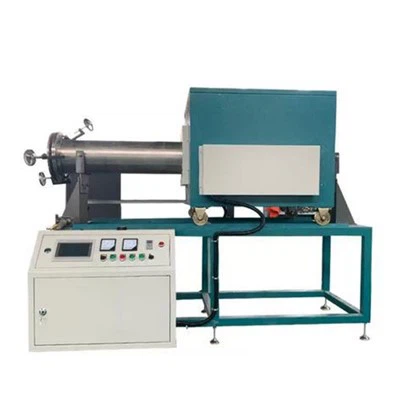
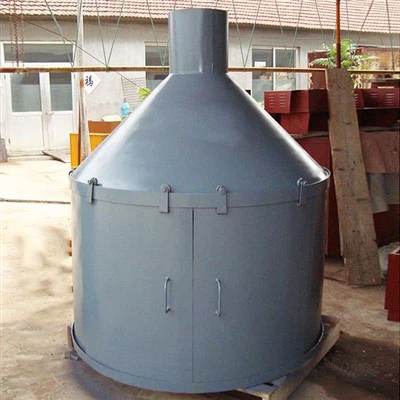
As a supplier of Carburizing Pit Furnaces, I understand the critical issue of carbon deposition in these furnaces. Carbon deposition not only affects the performance and efficiency of the furnace but also shortens its service life. In this blog, I will share some effective methods to prevent carbon deposition in a Carburizing Pit Furnace.
Understanding Carbon Deposition in Carburizing Pit Furnaces
Carbon deposition, also known as coking, occurs when hydrocarbon gases decompose at high temperatures in the furnace. These decomposed hydrocarbons form solid carbon particles that accumulate on the furnace walls, heating elements, and other components. This deposition can lead to several problems, including reduced heat transfer efficiency, increased energy consumption, and damage to the furnace components.
Factors Contributing to Carbon Deposition
Several factors contribute to carbon deposition in a Carburizing Pit Furnace. These include:
- High Temperature: High temperatures in the furnace can cause hydrocarbon gases to decompose more rapidly, leading to increased carbon deposition.
- Low Oxygen Content: A low oxygen environment in the furnace can promote the formation of carbon deposits. This is because oxygen helps to oxidize the carbon and prevent its accumulation.
- Impurities in the Gas: Impurities in the hydrocarbon gas, such as sulfur and nitrogen compounds, can also contribute to carbon deposition. These impurities can react with the carbon to form more stable compounds that are difficult to remove.
- Poor Gas Flow: Poor gas flow in the furnace can cause uneven distribution of the hydrocarbon gas, leading to localized areas of high carbon concentration and increased deposition.
Preventive Measures
To prevent carbon deposition in a Carburizing Pit Furnace, the following measures can be taken:


1. Optimize Furnace Operating Conditions
- Temperature Control: Maintain the furnace temperature within the recommended range. Avoid overheating, as this can accelerate the decomposition of hydrocarbon gases and increase carbon deposition. Use a reliable temperature control system to ensure accurate temperature regulation.
- Oxygen Supply: Ensure an adequate supply of oxygen in the furnace. This can be achieved by adjusting the air-to-fuel ratio or using an oxygen enrichment system. Oxygen helps to oxidize the carbon and prevent its accumulation on the furnace components.
- Gas Purity: Use high-quality hydrocarbon gases with low impurity levels. Impurities in the gas can contribute to carbon deposition, so it is important to ensure that the gas used in the furnace is clean and free from contaminants.
2. Improve Gas Flow
- Proper Design: Design the furnace with a well-planned gas flow system. This includes the placement of gas inlets and outlets, as well as the use of baffles and diffusers to ensure uniform gas distribution. A proper gas flow design can help to prevent the formation of stagnant areas where carbon deposition is more likely to occur.
- Regular Maintenance: Regularly inspect and clean the gas flow system to ensure that it is functioning properly. This includes checking for blockages, leaks, and damage to the pipes and valves. A well-maintained gas flow system can help to improve the efficiency of the furnace and reduce carbon deposition.
3. Use Anti-Coking Agents
- Additives: Use anti-coking additives in the hydrocarbon gas. These additives can help to prevent the decomposition of the gas and reduce carbon deposition. Anti-coking additives work by inhibiting the formation of carbon radicals and promoting the oxidation of carbon.
- Coatings: Apply anti-coking coatings to the furnace walls and components. These coatings can help to reduce the adhesion of carbon deposits and make them easier to remove. Anti-coking coatings are typically made of materials such as ceramic or metal oxides.
4. Regular Maintenance and Cleaning
- Scheduled Inspections: Conduct regular inspections of the furnace to detect any signs of carbon deposition. This includes visual inspections of the furnace walls, heating elements, and other components. Early detection of carbon deposition can help to prevent more serious problems from occurring.
- Cleaning Procedures: Develop a regular cleaning schedule for the furnace. This can include mechanical cleaning, such as scraping or brushing, as well as chemical cleaning using solvents or acids. Cleaning the furnace regularly can help to remove carbon deposits and prevent their accumulation.
Conclusion
Preventing carbon deposition in a Carburizing Pit Furnace is essential for maintaining its performance and efficiency. By optimizing the furnace operating conditions, improving gas flow, using anti-coking agents, and conducting regular maintenance and cleaning, you can effectively reduce carbon deposition and extend the service life of the furnace.
If you are interested in learning more about our Carburizing Pit Furnace or our Box Type Gas Carburizing Furnace, please feel free to contact us for more information. We are always ready to assist you with your heat treatment needs.
References
- Smith, J. (2018). Heat Treatment Furnaces: Principles and Applications. New York: Wiley.
- Jones, R. (2019). Carbon Deposition in Industrial Furnaces: Causes and Prevention. Journal of Industrial Furnaces, 45(2), 123-135.
- Brown, A. (2020). Optimization of Gas Flow in Carburizing Furnaces. Heat Treatment Technology, 32(3), 210-221.