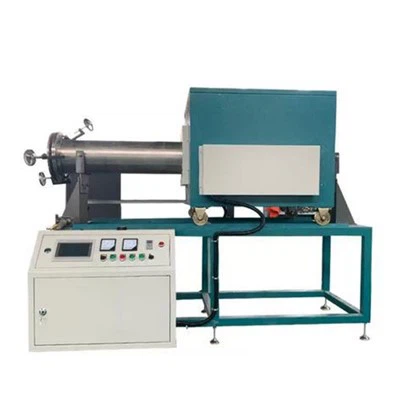
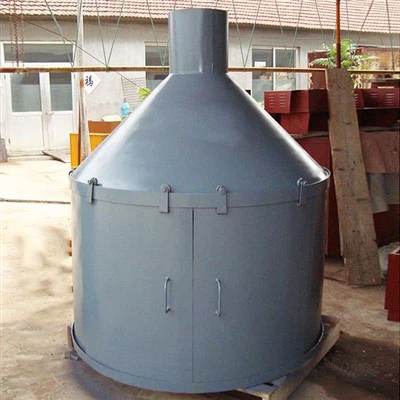
Hey there! As a supplier of bell type furnaces, I've seen my fair share of issues with these machines. Bell type furnaces are pretty popular in industries for heat treatment processes like annealing, normalizing, and tempering. But like any piece of equipment, they can run into problems. So, let's dive into the common faults of a bell type furnace and how to troubleshoot them.


Common Faults and Troubleshooting
Temperature Fluctuations
One of the most common issues with bell type furnaces is temperature fluctuations. You might set the furnace to a specific temperature, but it keeps going up and down. This can be a real headache, especially when you're trying to achieve a precise heat treatment.
Possible Causes
- Faulty temperature sensors: These sensors are responsible for measuring the temperature inside the furnace. If they're not working properly, they can send incorrect signals to the control system, leading to temperature fluctuations.
- Heating element problems: The heating elements are what actually heat up the furnace. If they're damaged or worn out, they might not be able to maintain a consistent temperature.
- Poor insulation: If the furnace isn't well-insulated, heat can escape, causing the temperature to drop. This can also make the furnace work harder to maintain the set temperature, leading to more fluctuations.
Troubleshooting Steps
- Check the temperature sensors: You can use a multimeter to test the sensors and make sure they're working correctly. If they're faulty, replace them.
- Inspect the heating elements: Look for any signs of damage, such as breaks or corrosion. If the elements are damaged, replace them.
- Check the insulation: Make sure the insulation around the furnace is in good condition. If there are any gaps or holes, seal them up to prevent heat loss.
Gas Leaks
Gas leaks are a serious safety concern when it comes to bell type furnaces. If you smell gas around the furnace, it's important to take action immediately.
Possible Causes
- Loose connections: Over time, the connections between the gas lines and the furnace can become loose, causing gas to leak.
- Damaged gas valves: The gas valves control the flow of gas into the furnace. If they're damaged, they might not be able to shut off the gas properly, leading to a leak.
- Cracks in the gas lines: The gas lines can develop cracks over time, especially if they're exposed to high temperatures or vibrations.
Troubleshooting Steps
- Turn off the gas supply: If you suspect a gas leak, turn off the gas supply to the furnace immediately.
- Check the connections: Look for any loose connections and tighten them up.
- Inspect the gas valves: Check the gas valves for any signs of damage. If they're damaged, replace them.
- Look for cracks in the gas lines: If you find any cracks, you'll need to replace the damaged section of the gas line.
Poor Air Circulation
Good air circulation is essential for a bell type furnace to work properly. If the air isn't circulating well, it can lead to uneven heating and other problems.
Possible Causes
- Blocked air vents: The air vents in the furnace can get blocked by dust, debris, or other materials. This can prevent the air from flowing freely, leading to poor air circulation.
- Faulty fans: The fans are responsible for circulating the air inside the furnace. If they're not working properly, the air won't circulate as it should.
- Incorrect fan speed: If the fan speed is set too low, the air won't circulate fast enough. If it's set too high, it can cause excessive noise and energy consumption.
Troubleshooting Steps
- Clean the air vents: Use a brush or a vacuum cleaner to remove any dust or debris from the air vents.
- Check the fans: Make sure the fans are working properly. If they're not, replace them.
- Adjust the fan speed: Set the fan speed to the appropriate level for the furnace. You can usually find the recommended fan speed in the furnace's manual.
Control System Malfunctions
The control system is what allows you to set and control the temperature, time, and other parameters of the furnace. If the control system malfunctions, it can be difficult to operate the furnace properly.
Possible Causes
- Electrical problems: The control system is powered by electricity, so any electrical problems can cause it to malfunction. This can include loose connections, damaged wires, or faulty components.
- Software issues: The control system might be running on software that has bugs or glitches. This can cause the system to behave erratically or not work at all.
- User error: Sometimes, the control system might not be working properly because of user error. For example, the user might have set the wrong parameters or made a mistake when operating the system.
Troubleshooting Steps
- Check the electrical connections: Make sure all the electrical connections are tight and secure. If you find any loose connections, tighten them up.
- Update the software: If the control system is running on software, check if there are any updates available. Install the updates to fix any bugs or glitches.
- Review the user manual: If you're having trouble operating the control system, review the user manual to make sure you're using it correctly.
Our Bell Type Furnaces
At our company, we offer a range of bell type furnaces to meet the needs of different industries. Our Bell Type Bright Annealing Furnace is designed for bright annealing processes, providing excellent temperature control and uniform heating. The Split Mobile Bell Furnace is a versatile option that can be easily moved and adjusted to fit different workspaces. And our Bell Annealing Furnace is ideal for annealing various materials, ensuring high-quality results.
Contact Us for Purchase and Consultation
If you're in the market for a bell type furnace or need help troubleshooting an existing one, don't hesitate to reach out to us. Our team of experts is here to assist you with all your furnace needs. Whether you have questions about our products, need technical support, or want to discuss a purchase, we're just a message away.
References
- "Bell Type Furnace Operation and Maintenance Manual"
- Industry standards and guidelines for bell type furnaces