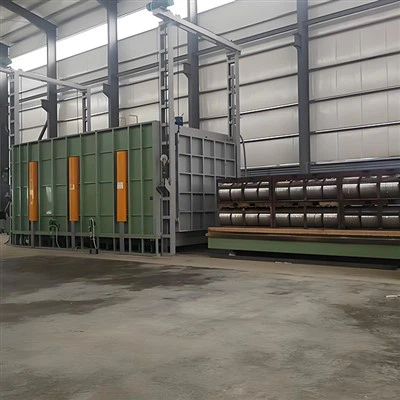
In the realm of heat treatment, box annealing furnaces play a pivotal role. These furnaces are crucial for processes that require controlled heating and cooling to relieve stress, improve ductility, and enhance the overall properties of materials. As a box annealing furnace supplier, we often encounter inquiries regarding the differences between electric and gas - fired box annealing furnaces. This blog post aims to delve into these differences to help you make an informed decision when selecting the right furnace for your specific needs.
Heat Generation and Energy Sources
One of the most fundamental differences between electric and gas - fired box annealing furnaces lies in their heat generation mechanisms and energy sources. Electric box annealing furnaces rely on electrical resistance heating elements to produce heat. These elements, typically made of materials like nichrome or kanthal, convert electrical energy into heat when an electric current passes through them. In contrast, gas - fired box annealing furnaces burn natural gas or propane to generate heat. The combustion process releases thermal energy, which is then transferred to the interior of the furnace.
The choice of energy source has several implications. Electric furnaces are generally more precise in terms of temperature control. Since the heat output is directly proportional to the electrical current, it is relatively easy to adjust and maintain a stable temperature within the furnace. This makes them ideal for applications that require tight temperature tolerances, such as the annealing of high - precision components.
On the other hand, gas - fired furnaces can achieve higher heating rates. The combustion of gas releases a large amount of heat quickly, allowing the furnace to reach the desired annealing temperature in a shorter period. This can be advantageous for processes where time is of the essence, such as large - scale manufacturing operations.
Cost Considerations
Cost is a significant factor when choosing between electric and gas - fired box annealing furnaces. The initial purchase cost of an electric furnace is often higher than that of a gas - fired furnace. Electric furnaces require sophisticated electrical systems and high - quality heating elements, which contribute to the increased upfront cost.
However, when it comes to operating costs, the situation can be more complex. Electricity prices vary from region to region, but in general, gas is often a more cost - effective energy source for large - scale operations. Gas - fired furnaces have lower energy costs per unit of heat generated, especially for continuous or long - duration annealing processes.


In addition, electric furnaces are more energy - efficient in some cases. Since they do not produce exhaust gases like gas - fired furnaces, there is less heat loss associated with venting. This can result in lower overall energy consumption, particularly for smaller - scale or intermittent operations.
Environmental Impact
Environmental concerns are becoming increasingly important in industrial processes. Electric box annealing furnaces are generally considered more environmentally friendly. They produce no direct emissions during operation, as they do not involve combustion. This makes them a suitable choice for facilities that are subject to strict environmental regulations or those aiming to reduce their carbon footprint.
Gas - fired furnaces, while they have become more efficient in recent years, still produce combustion by - products such as carbon dioxide, nitrogen oxides, and particulate matter. However, modern gas - fired furnaces are equipped with advanced combustion technologies and emission control systems to minimize these emissions.
Maintenance Requirements
The maintenance requirements of electric and gas - fired box annealing furnaces also differ. Electric furnaces have relatively simple maintenance needs. The main components that require regular inspection and replacement are the heating elements. Over time, these elements can degrade due to high temperatures and electrical stress. However, replacing heating elements is a relatively straightforward process.
Gas - fired furnaces, on the other hand, require more complex maintenance. In addition to regular checks of the burner and ignition system, they also need inspections of the gas supply lines, valves, and flue system to ensure safe and efficient operation. The combustion process can also lead to the formation of soot and deposits, which need to be removed periodically to maintain optimal performance.
Applications and Suitability
Both electric and gas - fired box annealing furnaces have their own areas of application. Electric box annealing furnaces are well - suited for applications where precise temperature control and a clean environment are required. For example, in the annealing of electronic components, optical lenses, and some types of jewelry, the ability to maintain a stable temperature within a narrow range is crucial. You can learn more about specific types of annealing furnaces like the Aluminum Annealing Furnace on our website.
Gas - fired box annealing furnaces are often preferred in large - scale industrial applications. Their high heating rates and relatively low operating costs make them suitable for annealing large batches of steel, copper, and other metals. For the annealing of rollers used in various industries, the Roller Annealing Furnace can be a great option. Additionally, in some cases where rapid annealing is required, the Rapid Annealing Furnace provides a powerful solution.
Conclusion
In conclusion, the differences between electric and gas - fired box annealing furnaces are significant and span multiple aspects, including heat generation, cost, environmental impact, maintenance, and applications. When choosing a box annealing furnace, it is essential to consider your specific requirements, such as the type of materials to be annealed, production volume, temperature control requirements, and budget.
As a box annealing furnace supplier, we are committed to providing high - quality furnaces and professional advice to help you select the most suitable equipment for your needs. If you are interested in learning more about our products or have any questions regarding the selection of an annealing furnace, we encourage you to contact us. We look forward to discussing your requirements and assisting you in making the best decision for your business.
References
- "Industrial Furnaces: Principles, Design and Operation" by John Smith
- "Heat Treatment Handbook" by David Johnson
- Technical reports from leading furnace manufacturers and industry associations