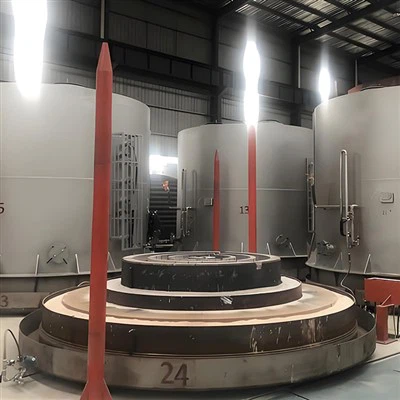
As a supplier of Bell Annealing Furnaces, I've been in the thick of the industry for quite a while. While these furnaces are a staple in many metal - processing operations, it's important to have an honest chat about their disadvantages. Let's dig into what might not be so great about Bell Annealing Furnaces.
High Energy Consumption
One of the most glaring drawbacks of Bell Annealing Furnaces is their high energy usage. These furnaces need to reach and maintain high temperatures for extended periods to properly anneal metals. The process of heating up the large volume inside the furnace bell and keeping it hot is extremely energy - intensive.

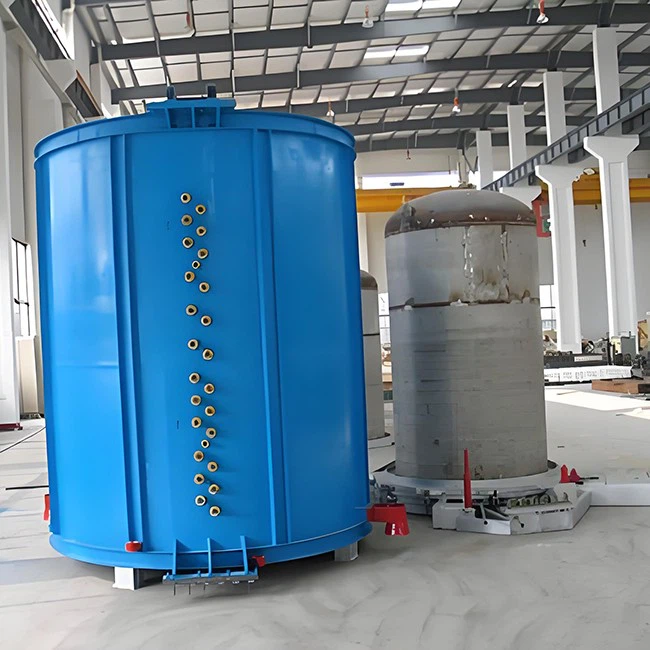
Think about it. You're essentially heating a big, enclosed space to very high temperatures, and a significant amount of energy is lost through the furnace walls. Even with the best insulation, heat still escapes. This not only drives up the operational costs but also has a negative impact on the environment. For businesses, constantly high energy bills can eat into profit margins, especially when they're running multiple furnaces or running them for long hours.
Long Processing Time
Bell Annealing Furnaces are known for their slow processing speed. The annealing process involves heating the metal to a specific temperature, holding it there for a set time, and then gradually cooling it. This entire cycle can take hours, or even days in some cases, depending on the type and size of the metal being annealed.
In today's fast - paced manufacturing world, time is money. Long processing times mean that production rates are slower. If a company has a tight deadline to meet, the slow speed of a Bell Annealing Furnace can be a real headache. It might also lead to a backlog in production, which can result in unhappy customers and lost business opportunities.
Limited Capacity and Flexibility
When it comes to capacity, Bell Annealing Furnaces have their limits. They are designed to handle a certain volume and weight of metal. If a company needs to anneal larger or heavier pieces, they might find that their existing furnace isn't up to the task. Buying a larger furnace can be an expensive solution, and it might not always be feasible.
Moreover, these furnaces are not very flexible in terms of the types of metals they can anneal. Different metals require different annealing temperatures and times. While some Bell Annealing Furnaces can be adjusted to a certain extent, they may not be able to handle the wide range of metals that modern manufacturing often demands. For example, if a company starts working with a new, exotic metal, the furnace might not be able to provide the precise annealing conditions required.
High Initial Investment
Purchasing a Bell Annealing Furnace is no small expense. The cost of the furnace itself, along with the necessary installation, commissioning, and safety equipment, can be quite high. For small and medium - sized businesses, this can be a significant financial burden.
In addition to the upfront cost, there are also ongoing maintenance and repair expenses. The high - temperature environment inside the furnace can cause wear and tear on various components, such as heating elements and insulation. Regular maintenance is essential to keep the furnace running smoothly, but it adds to the overall cost of ownership.
Complex Operation and Maintenance
Operating a Bell Annealing Furnace is not a walk in the park. It requires skilled operators who understand the annealing process, the furnace's controls, and safety procedures. Training operators to use the furnace correctly can take time and resources.
Maintenance is also a complex task. As mentioned earlier, the high - temperature environment causes components to degrade over time. Replacing parts like heating elements can be tricky and may require specialized knowledge. If a breakdown occurs, it can lead to downtime, which means lost production and revenue. And let's not forget about the safety risks associated with working on a high - temperature furnace.
Safety Concerns
Bell Annealing Furnaces operate at very high temperatures, which poses significant safety risks. Workers need to be extremely careful when loading and unloading the furnace, as they are in close proximity to the hot metal and the furnace itself. There is a risk of burns, and if proper safety procedures are not followed, there could be more serious accidents.
The use of gases in some Bell Annealing Furnaces also adds another layer of risk. Gas leaks can be extremely dangerous, potentially leading to fires or explosions. Companies need to invest in proper safety equipment and training to mitigate these risks, but it's still a constant concern.
Environmental Impact
As I mentioned earlier, the high energy consumption of Bell Annealing Furnaces has a negative impact on the environment. They burn a lot of fossil fuels or use a large amount of electricity, which contributes to greenhouse gas emissions. In an era where environmental regulations are becoming stricter, companies using these furnaces may face challenges in meeting these regulations.
Additionally, the waste heat generated by the furnaces is often not effectively utilized. This is not only a waste of energy but also contributes to local heat pollution.
Cost - Benefit Analysis
When considering all these disadvantages, it's important for businesses to conduct a thorough cost - benefit analysis. While Bell Annealing Furnaces have their place in the industry, the high costs, both in terms of energy and initial investment, need to be weighed against the benefits.
For some applications, the slow processing time and limited flexibility might not be a deal - breaker. However, for companies that need high - speed production and the ability to work with a variety of metals, the disadvantages might outweigh the advantages.
Alternatives to Bell Annealing Furnaces
There are alternatives available in the market that might address some of these disadvantages. For example, Bell Type Resistance Furnace and Split Mobile Bell Furnace offer different features and capabilities that might be more suitable for certain applications. The Mobile Bell Type Furnace also provides a more flexible option in terms of movement and usage.
As a supplier, I understand that each business has unique needs. We're here to help you find the best solution, whether it's a traditional Bell Annealing Furnace or one of these alternative options. If you're facing challenges with your current annealing process or are in the market for a new furnace, don't hesitate to reach out. We can have a detailed discussion about your requirements and see how we can provide the right equipment for your operations.
Conclusion
In conclusion, while Bell Annealing Furnaces have been a reliable choice for many years, they do come with a set of disadvantages. High energy consumption, long processing times, limited capacity and flexibility, high initial investment, complex operation and maintenance, safety concerns, and environmental impact are all factors that businesses need to consider.
But don't let these disadvantages scare you off completely. With proper planning, maintenance, and operation, these issues can be managed. And as a supplier, we're committed to helping you make the most of your investment. If you're interested in learning more about our Bell Annealing Furnaces or exploring alternative options, feel free to contact us for a detailed discussion. We're eager to work with you to find the best solution for your annealing needs.
References
- "Metallurgical Heat Treatment Handbook"
- Industry reports on annealing furnace technology and operations.