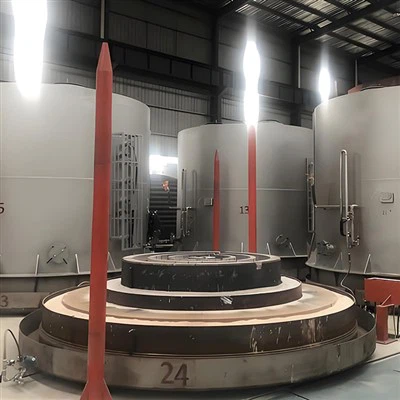
What are the noise levels associated with a pit furnace?
As a supplier of pit furnaces, understanding the noise levels associated with these industrial equipment is crucial. Pit furnaces are widely used in various industries for heat treatment processes such as annealing, hardening, and tempering. The noise generated by a pit furnace can have significant implications for the working environment, worker safety, and overall productivity. In this blog post, we will explore the factors that contribute to the noise levels of a pit furnace, the potential impacts of excessive noise, and measures to mitigate these issues.


Factors Affecting Noise Levels
The noise levels of a pit furnace are influenced by several factors, including the design of the furnace, the type of heating elements, the ventilation system, and the operating conditions.
Furnace Design: The physical structure of the pit furnace plays a major role in determining its noise output. Furnaces with poor insulation or loose components are more likely to produce higher levels of noise. For example, if the furnace shell has gaps or cracks, sound waves can easily escape, leading to increased noise pollution. Additionally, the shape and size of the furnace can affect the way sound waves propagate within the enclosure.
Heating Elements: Different types of heating elements generate varying levels of noise. Electric heating elements, such as resistance heaters, generally produce less noise compared to gas-fired burners. Gas burners can create a significant amount of noise due to the combustion process, including the flow of gas, the ignition, and the expansion of hot gases. The size and number of burners also contribute to the overall noise level.
Ventilation System: The ventilation system of a pit furnace is essential for removing hot air and fumes from the enclosure. However, the fans and blowers used in the ventilation system can be a major source of noise. The speed and power of the fans, as well as their design and installation, can all impact the noise output. Improperly balanced fans or fans with worn-out bearings can produce excessive noise.
Operating Conditions: The operating conditions of the pit furnace, such as the temperature, pressure, and load, can also affect the noise levels. Higher temperatures and pressures can cause the furnace components to expand and contract, which may result in additional noise. Moreover, the type and quantity of the materials being processed in the furnace can influence the noise generated during the heat treatment process.
Potential Impacts of Excessive Noise
Excessive noise from a pit furnace can have several negative impacts on the workplace and the workers.
Health Risks: Prolonged exposure to high noise levels can cause a range of health problems, including hearing loss, tinnitus (ringing in the ears), and stress. Workers who are regularly exposed to noise levels above 85 decibels (dB) are at a higher risk of developing hearing-related issues. In addition, noise-induced stress can lead to fatigue, irritability, and decreased concentration, which can affect work performance and safety.
Safety Hazards: High noise levels can mask important warning signals and communication between workers, increasing the risk of accidents and injuries. For example, workers may not be able to hear alarms or shouts in a noisy environment, which can prevent them from responding quickly to potential hazards.
Productivity Loss: Noise can be a distraction for workers, reducing their focus and efficiency. In a noisy workplace, workers may need to spend more time and effort to complete tasks, leading to decreased productivity. Moreover, the constant exposure to noise can cause fatigue, which further impacts work performance.
Measuring Noise Levels
To assess the noise levels associated with a pit furnace, it is necessary to use appropriate noise measurement equipment. A sound level meter is a commonly used device for measuring the sound pressure level (SPL) in decibels. When measuring the noise levels of a pit furnace, it is important to take measurements at multiple locations around the furnace, including at the operator's position, to get a comprehensive understanding of the noise distribution.
The Occupational Safety and Health Administration (OSHA) in the United States has set standards for workplace noise exposure. According to OSHA, the permissible exposure limit (PEL) for noise is 90 dB for an 8-hour workday. Employers are required to implement a hearing conservation program if the noise levels exceed 85 dB.
Mitigating Noise Issues
As a pit furnace supplier, we understand the importance of providing solutions to reduce the noise levels associated with our products. Here are some measures that can be taken to mitigate noise issues:
Improved Insulation: Adding insulation to the furnace shell can help to reduce the noise transmission. High-quality insulation materials can absorb and dampen the sound waves, preventing them from escaping the enclosure.
Quiet Heating Elements: Consider using electric heating elements instead of gas burners to reduce the noise generated by the combustion process. Electric heaters are generally quieter and more energy-efficient.
Optimized Ventilation System: Select fans and blowers with low noise ratings and ensure proper installation and maintenance. Balancing the fans and using vibration isolators can also help to reduce the noise output of the ventilation system.
Noise Enclosures: Installing a noise enclosure around the pit furnace can effectively contain the noise within a limited area. The enclosure can be made of sound-absorbing materials and designed to minimize the transmission of sound waves.
Regular Maintenance: Regularly inspect and maintain the pit furnace to ensure that all components are in good working condition. Tightening loose bolts, replacing worn-out parts, and lubricating moving components can help to reduce noise caused by mechanical vibrations.
Our Pit Furnace Products
At our company, we offer a range of pit furnaces designed to meet the diverse needs of our customers. Our Pit Type Aluminum Alloy Quenching Furnace is specifically designed for the heat treatment of aluminum alloys, providing precise temperature control and uniform heating. The High Temperature Pit Furnace is capable of reaching high temperatures, making it suitable for applications that require extreme heat. Our Medium Temperature Pit Furnace is a versatile option for a variety of heat treatment processes.
We are committed to providing high-quality pit furnaces with low noise levels. Our engineers work closely with customers to understand their specific requirements and design solutions that minimize noise while ensuring optimal performance.
Contact Us for Purchase and Consultation
If you are interested in our pit furnace products or have any questions about noise levels and noise reduction measures, please feel free to contact us. Our team of experts is ready to assist you in selecting the right pit furnace for your application and providing professional advice on noise management. We look forward to working with you to achieve your heat treatment goals.
References
- Occupational Safety and Health Administration (OSHA). "Noise Standards." Retrieved from [OSHA website].
- Industrial Noise Control Handbook. [Publisher name], [Year of publication].