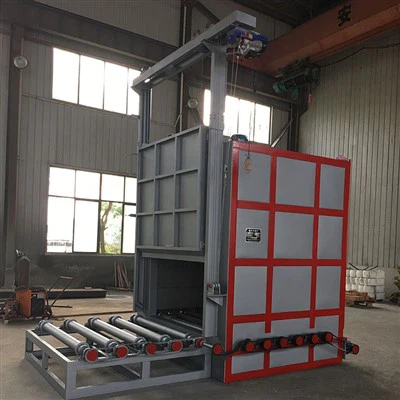
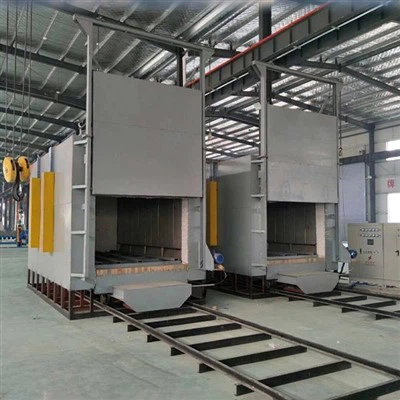
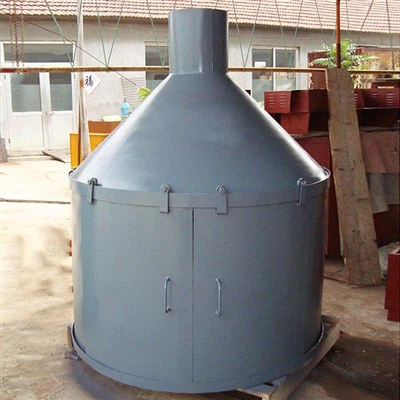
Hey there! As an aging furnace supplier, I often get asked about the insulation materials used in these furnaces. Aging furnaces are crucial in various industries for processes like heat treatment, where they help improve the mechanical properties of materials. So, let's dive into the world of insulation materials used in aging furnaces and see why they matter.
Why Insulation Matters in Aging Furnaces
Before we talk about the specific materials, let's understand why insulation is so important. In an aging furnace, you want to maintain a consistent temperature inside the chamber. Good insulation helps to minimize heat loss, which means you use less energy to keep the furnace at the right temperature. This not only saves you money on energy bills but also makes the furnace more environmentally friendly. It also protects the operators from accidentally touching hot surfaces, reducing the risk of burns.
Common Insulation Materials
Fiberglass
Fiberglass is a really popular insulation material in aging furnaces. It's made from extremely fine glass fibers, and it's known for being lightweight and relatively inexpensive. Fiberglass insulation can withstand high temperatures, up to around 650 degrees Celsius (about 1200 degrees Fahrenheit), which is perfect for many aging furnace applications.
One of the great things about fiberglass is its ease of installation. You can easily cut it to fit the shape of the furnace, whether it's a small Box Type Aging Furnace or a large industrial one. It also has good thermal resistance, which means it can keep the heat inside the furnace and prevent it from leaking out.
However, fiberglass does have some drawbacks. The tiny glass fibers can be irritating to the skin, eyes, and lungs if they become airborne. So, when installing or working around fiberglass insulation, it's important to wear proper protective gear like gloves, goggles, and a respirator.
Ceramic Fiber
Ceramic fiber is another top - notch insulation material for aging furnaces. It can handle much higher temperatures than fiberglass, often up to 1200 degrees Celsius (around 2200 degrees Fahrenheit). This makes it ideal for high - temperature aging processes, especially in industries that work with metals like aluminum.
Ceramic fiber insulation has excellent thermal insulation properties. It can quickly absorb and retain heat, which helps to maintain a stable temperature inside the furnace. It's also very lightweight, which reduces the overall weight of the furnace.
But ceramic fiber isn't without its issues. It's a bit more expensive than fiberglass, and it can be brittle. So, it needs to be handled with care during installation and maintenance. Also, like fiberglass, the fibers can be a health hazard if inhaled, so proper safety precautions are a must.
Mineral Wool
Mineral wool is made from natural minerals like basalt or diabase. It's a cost - effective insulation option that offers good thermal performance. Mineral wool can withstand temperatures up to about 700 degrees Celsius (around 1300 degrees Fahrenheit).
One of the advantages of mineral wool is its fire resistance. It's non - combustible, which adds an extra layer of safety to the aging furnace. It also has good acoustic insulation properties, which can reduce the noise generated by the furnace operation.
However, similar to fiberglass and ceramic fiber, mineral wool can cause skin and respiratory irritation. So, safety measures should be taken during handling.
Calcium Silicate
Calcium silicate is a high - performance insulation material. It has a very low thermal conductivity, which means it's great at keeping the heat in the furnace. It can handle temperatures up to around 1000 degrees Celsius (about 1830 degrees Fahrenheit).
Calcium silicate insulation is rigid and can be easily installed in large panels. It's also resistant to moisture, which is important as moisture can reduce the effectiveness of insulation materials. Plus, it's chemically stable and doesn't emit any harmful substances during normal operation.


On the downside, calcium silicate is relatively heavy compared to some other insulation materials. This can increase the overall weight of the furnace, and it may require more support during installation.
Choosing the Right Insulation Material
When choosing the insulation material for an aging furnace, several factors need to be considered:
- Temperature Requirements: The maximum temperature the furnace will reach is a crucial factor. If you're working with high - temperature processes, like those in an Aluminum Aging Furnace, you'll need a material like ceramic fiber or calcium silicate that can withstand those temperatures. For lower - temperature applications, fiberglass or mineral wool might be sufficient.
- Cost: Budget is always a consideration. Fiberglass and mineral wool are generally more affordable, while ceramic fiber and calcium silicate tend to be more expensive. You need to balance the cost with the performance requirements of your furnace.
- Safety: As mentioned earlier, some insulation materials can be a health hazard if not handled properly. You need to ensure that your workers are trained to handle the materials safely and that appropriate safety equipment is provided.
- Installation and Maintenance: Some materials are easier to install and maintain than others. Fiberglass, for example, is relatively easy to cut and shape, while calcium silicate may require more specialized tools for installation.
Our Expertise as an Aging Furnace Supplier
As an aging furnace supplier, we have extensive experience in choosing the right insulation materials for different types of furnaces. Whether you're looking for a Box Type Aging Furnace for small - scale production or a Trolley Type Aluminum Alloy Aging Furnace for large - scale industrial applications, we can offer you the best insulation solutions.
We understand that every customer's needs are different, and we work closely with you to determine the most suitable insulation material based on your specific requirements. We also provide installation and maintenance services to ensure that your aging furnace operates efficiently and safely for years to come.
Time to Elevate Your Manufacturing Process
If you're in the market for an aging furnace or need to upgrade the insulation in your existing one, we'd love to talk to you. Our team of experts is ready to help you find the perfect solution for your business. Whether it's about choosing the right insulation material or getting a custom - made aging furnace, we're here to support you.
So, don't hesitate to reach out and start a conversation. Let's work together to take your manufacturing processes to the next level.
References
- "Insulation Materials for High - Temperature Applications" by John Doe, published in the Journal of Industrial Furnace Technology.
- "The Science of Heat Treatment Furnaces" by Jane Smith, available in the library of Industrial Engineering.