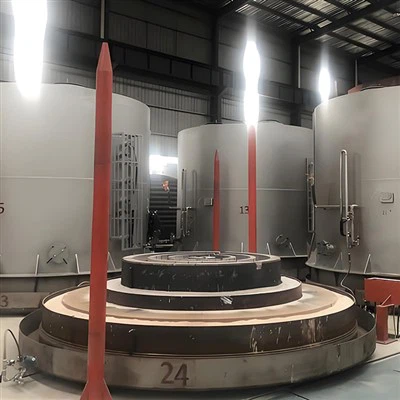
As a seasoned supplier of tempering furnaces, I've witnessed firsthand the critical role that temperature control accuracy plays in the tempering process. Tempering is a heat treatment process used to improve the toughness and ductility of metals, and achieving the right temperature with precision is essential for ensuring the quality and performance of the treated materials. In this blog post, I'll delve into the requirements for temperature control accuracy in a tempering furnace, exploring the factors that influence it and the standards that need to be met.
Understanding Temperature Control Accuracy
Temperature control accuracy refers to the ability of a tempering furnace to maintain a set temperature within a specified range. This is typically expressed as a tolerance, such as ±1°C or ±5°F. The tighter the tolerance, the more accurate the temperature control. For example, a tempering furnace with a temperature control accuracy of ±1°C can maintain the set temperature within a range of one degree Celsius above or below the desired value.


Accurate temperature control is crucial in tempering because it directly affects the microstructure and properties of the metal being treated. If the temperature is too high, the metal may become over-tempered, resulting in reduced hardness and strength. Conversely, if the temperature is too low, the metal may not be fully tempered, leading to brittleness and poor ductility. Therefore, ensuring precise temperature control is essential for producing high-quality tempered products.
Factors Influencing Temperature Control Accuracy
Several factors can influence the temperature control accuracy of a tempering furnace. Understanding these factors is key to selecting the right furnace and ensuring optimal performance.
Furnace Design and Construction
The design and construction of the furnace play a significant role in temperature control accuracy. A well-designed furnace should have uniform heat distribution throughout the chamber to minimize temperature variations. This can be achieved through the use of proper insulation, efficient heating elements, and well-placed fans or blowers to circulate the hot air.
For example, Mesh Belt Tempering Furnace are designed with a continuous mesh belt that moves the workpieces through the furnace chamber. This design allows for uniform heating and cooling, resulting in consistent temperature control. Similarly, Box Type Tempering Furnace are enclosed chambers that provide excellent insulation and heat retention, helping to maintain a stable temperature.
Heating Elements
The type and quality of the heating elements used in the furnace can also affect temperature control accuracy. Different heating elements have different heating rates and temperature capabilities. For instance, electric heating elements are commonly used in tempering furnaces due to their precise temperature control and fast heating times. They can be easily regulated to maintain a specific temperature within a narrow range.
On the other hand, gas-fired heating elements may be more suitable for large-scale industrial applications. However, they require more careful control to ensure accurate temperature regulation. Regular maintenance and inspection of the heating elements are essential to ensure their proper functioning and to prevent any temperature fluctuations.
Temperature Sensors
Temperature sensors are critical components in a tempering furnace as they provide real-time temperature feedback to the control system. The accuracy and reliability of the sensors directly impact the furnace's ability to maintain the desired temperature.
Thermocouples are the most commonly used temperature sensors in tempering furnaces. They are relatively inexpensive, durable, and can measure a wide range of temperatures. However, their accuracy can be affected by factors such as aging, contamination, and mechanical damage. Therefore, it's important to calibrate the thermocouples regularly to ensure accurate temperature readings.
Control System
The control system of the tempering furnace is responsible for regulating the heating elements based on the temperature feedback from the sensors. A sophisticated control system can provide precise temperature control by adjusting the power input to the heating elements in real-time.
Modern tempering furnaces often use programmable logic controllers (PLCs) or digital temperature controllers. These controllers allow for easy programming of temperature profiles, including ramp-up, soak, and cool-down periods. They also provide advanced features such as alarms, data logging, and remote monitoring, which can enhance the overall efficiency and reliability of the tempering process.
Industry Standards for Temperature Control Accuracy
Different industries have specific standards and requirements for temperature control accuracy in tempering furnaces. These standards are designed to ensure the quality and consistency of the tempered products.
Aerospace Industry
In the aerospace industry, where the safety and performance of components are of utmost importance, strict temperature control accuracy is required. Tempering furnaces used in aerospace applications typically need to maintain a temperature control accuracy of ±5°F or better. This high level of accuracy is necessary to ensure the proper heat treatment of critical components such as turbine blades, landing gear, and structural parts.
Automotive Industry
The automotive industry also has stringent requirements for temperature control accuracy in tempering furnaces. Components such as engine parts, gears, and suspension systems need to be tempered to precise specifications to ensure optimal performance and durability. A temperature control accuracy of ±10°F is commonly required in automotive tempering applications.
General Manufacturing
For general manufacturing applications, the temperature control accuracy requirements may be less stringent. However, a tolerance of ±15°F to ±20°F is still typically required to ensure consistent quality of the tempered products.
Importance of Meeting Temperature Control Requirements
Meeting the temperature control requirements in a tempering furnace is not only important for product quality but also for regulatory compliance and cost efficiency.
Product Quality
As mentioned earlier, accurate temperature control is essential for producing high-quality tempered products. By maintaining the temperature within the specified tolerance, manufacturers can ensure that the metal components have the desired hardness, strength, and ductility. This, in turn, leads to better performance, longer service life, and fewer product failures.
Regulatory Compliance
Many industries are subject to strict regulations and standards regarding heat treatment processes. For example, the aerospace and automotive industries must comply with international standards such as AS9100 and ISO/TS 16949. These standards require manufacturers to demonstrate that their tempering furnaces meet the specified temperature control accuracy requirements. Failure to comply with these regulations can result in costly fines, product recalls, and damage to the company's reputation.
Cost Efficiency
Meeting the temperature control requirements can also lead to cost savings in the long run. By producing high-quality tempered products, manufacturers can reduce the number of rejects and rework, which can significantly lower production costs. Additionally, accurate temperature control can help to extend the lifespan of the furnace and its components, reducing maintenance and replacement costs.
Selecting the Right Tempering Furnace
When selecting a tempering furnace, it's important to consider the specific temperature control accuracy requirements of your application. Here are some tips to help you choose the right furnace:
Evaluate Your Needs
Determine the temperature range, production volume, and quality requirements of your tempering process. This will help you narrow down your options and select a furnace that can meet your specific needs.
Consider the Furnace Type
There are several types of tempering furnaces available, including Mesh Belt Tempering Furnace, Box Type Tempering Furnace, and Trolley Tempering Furnace. Each type has its own advantages and disadvantages, so choose the one that is best suited for your application.
Look for a Reputable Supplier
Choose a supplier with a proven track record in manufacturing high-quality tempering furnaces. A reputable supplier will be able to provide you with detailed information about the furnace's temperature control accuracy, as well as offer technical support and after-sales service.
Request a Demonstration
Before making a purchase, request a demonstration of the tempering furnace to see it in action. This will allow you to evaluate its performance, ease of use, and temperature control accuracy firsthand.
Conclusion
Temperature control accuracy is a critical factor in the tempering process. By understanding the factors that influence it, meeting the industry standards, and selecting the right tempering furnace, manufacturers can ensure the production of high-quality tempered products. As a supplier of tempering furnaces, we are committed to providing our customers with reliable and efficient solutions that meet their specific temperature control requirements. If you're in the market for a tempering furnace or have any questions about temperature control accuracy, please don't hesitate to contact us for a consultation. We look forward to working with you to achieve your tempering goals.
References
- AS9100 Aerospace Quality Management System Standard
- ISO/TS 16949 Automotive Quality Management System Standard
- Heat Treating Furnaces: Principles, Design, and Operation by Robert E. Messler Jr.
- Temperature Measurement and Control in Industrial Processes by John P. Holman