Operating a tempering furnace is a complex and potentially hazardous task that requires strict adherence to safety precautions. As a reputable tempering furnace supplier, we understand the importance of ensuring the safety of operators and the longevity of the equipment. In this blog, we will discuss the key safety precautions that should be taken when operating a tempering furnace.

Pre - operation Safety Checks
Before starting the tempering furnace, a series of thorough pre - operation checks must be carried out. First, inspect the furnace body for any visible damage, such as cracks in the lining or loose connections. A damaged furnace can lead to heat leakage, which not only affects the tempering process but also poses a significant fire hazard.
Check the electrical system carefully. Ensure that all electrical connections are tight and there are no signs of frayed wires or overheating components. Faulty electrical systems can cause short - circuits, electrical shocks, or even fires. It is also essential to verify that the grounding system is functioning properly to prevent electrical accidents.
The heating elements should be examined for any signs of wear or damage. Damaged heating elements may not heat the furnace evenly, leading to inconsistent tempering results. In addition, they can overheat and cause a fire. If any issues are found, the heating elements should be replaced immediately.
Inspect the control system to ensure that it is calibrated correctly. The control system is responsible for regulating the temperature, time, and other parameters of the tempering process. An inaccurate control system can result in over - or under - tempering of the workpieces, which can affect their quality and performance.
Personal Protective Equipment (PPE)
Operators must wear appropriate personal protective equipment at all times when working with a tempering furnace. Heat - resistant gloves are essential to protect the hands from burns when loading and unloading workpieces or adjusting the furnace. The gloves should be made of high - quality heat - resistant materials and fit properly to ensure maximum protection.
Safety goggles are necessary to protect the eyes from flying debris, sparks, and intense heat. The goggles should have a proper fit and provide adequate side protection. A face shield can also be worn in addition to safety goggles for enhanced protection, especially when working in close proximity to the furnace opening.
Flame - resistant clothing should be worn to protect the body from burns. The clothing should cover the arms, legs, and torso completely. It is recommended to wear long - sleeved shirts, long pants, and a fire - resistant apron. Steel - toed boots are also required to protect the feet from heavy objects and hot materials.
Loading and Unloading Workpieces
When loading workpieces into the tempering furnace, it is important to do so carefully to avoid damage to the furnace and ensure even heating. The workpieces should be placed on the furnace hearth or in the appropriate fixtures in an orderly manner. Overloading the furnace can lead to uneven heating and may cause damage to the furnace components.
Use proper lifting equipment, such as cranes or hoists, to load and unload heavy workpieces. Ensure that the lifting equipment is in good working condition and that the operators are trained to use it safely. When using a crane or hoist, make sure that the load is balanced and secure to prevent it from falling.
Avoid sudden movements or impacts when loading and unloading workpieces. Sudden movements can cause the workpieces to collide with the furnace walls or other components, leading to damage. It is also important to ensure that the workpieces are clean and free of any contaminants before loading them into the furnace. Contaminants can react with the furnace atmosphere and affect the tempering process.
Furnace Atmosphere and Ventilation
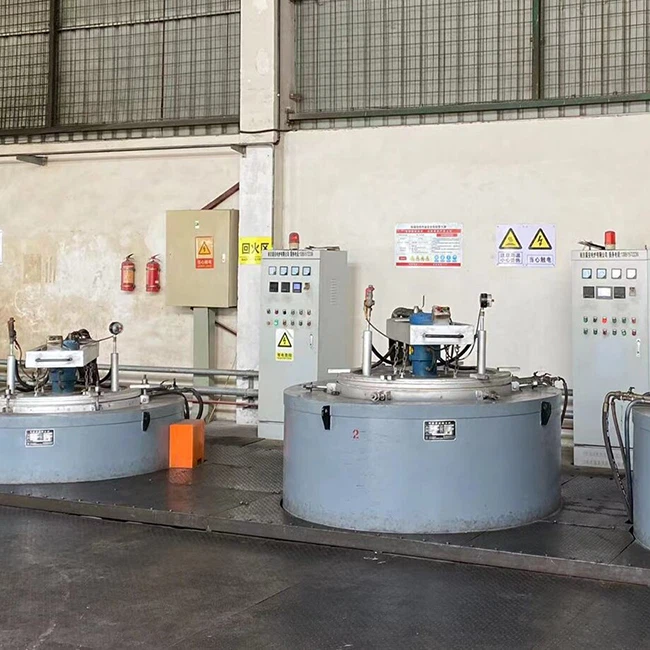
The atmosphere inside the tempering furnace can have a significant impact on the quality of the tempering process and the safety of the operators. Some tempering furnaces, such as the Nitrogen Protection Pit Tempering Furnace, use a nitrogen atmosphere to prevent oxidation of the workpieces. It is important to ensure that the nitrogen supply is stable and that there are no leaks in the gas lines.
Proper ventilation is crucial to remove any harmful gases or fumes generated during the tempering process. The ventilation system should be checked regularly to ensure that it is functioning properly. A well - ventilated workspace can prevent the accumulation of toxic gases, such as carbon monoxide, which can be fatal if inhaled in high concentrations.
Monitor the oxygen level inside the furnace and the surrounding area. In some cases, a low - oxygen atmosphere may be required for certain tempering processes. However, a low - oxygen environment can also be dangerous if operators are exposed to it. Oxygen sensors should be installed to continuously monitor the oxygen level and trigger an alarm if it falls below a safe level.
Temperature Control
Maintaining the correct temperature is critical for the success of the tempering process. Operators should closely monitor the temperature of the furnace using the control system and temperature sensors. Do not exceed the maximum temperature rating of the furnace or the workpieces. Overheating can cause the workpieces to lose their mechanical properties, become brittle, or even melt.
If the temperature deviates from the set value, take immediate action to correct it. This may involve adjusting the power supply to the heating elements or checking the control system for any malfunctions. It is also important to record the temperature readings at regular intervals for quality control purposes.
Emergency Procedures
In case of an emergency, such as a fire, electrical short - circuit, or gas leak, operators should be familiar with the emergency procedures. There should be a clearly marked emergency stop button near the furnace that can be used to shut down the furnace immediately in case of an emergency.
Fire extinguishers should be readily available in the vicinity of the furnace. Operators should be trained in the proper use of fire extinguishers. Different types of fires, such as electrical fires and oil fires, require different types of fire extinguishers. Make sure that the appropriate fire extinguishers are used for each type of fire.
In the event of a gas leak, the gas supply should be shut off immediately, and the area should be ventilated to disperse the gas. If there is a risk of explosion, evacuate the area immediately and call the appropriate emergency services.
Maintenance and Inspection
Regular maintenance and inspection of the tempering furnace are essential to ensure its safe and efficient operation. A maintenance schedule should be established, and all maintenance tasks should be carried out according to the manufacturer's recommendations.
During maintenance, clean the furnace regularly to remove any debris, scale, or other contaminants. This can improve the efficiency of the furnace and prevent the buildup of flammable materials. Check the seals around the furnace doors and openings to ensure that they are in good condition. Leaky seals can lead to heat loss and the entry of outside air, which can affect the tempering process.
Inspect the fans, blowers, and other ventilation components to ensure that they are working properly. Clean or replace the air filters regularly to maintain good air quality. Lubricate the moving parts of the furnace, such as the conveyor belts and hinges, to reduce friction and wear.
Training and Education
All operators should receive comprehensive training before operating a tempering furnace. The training should cover the safety precautions, operating procedures, maintenance requirements, and emergency procedures of the furnace. New operators should be supervised by experienced operators until they are fully competent.
Regular refresher training should be provided to keep the operators updated on the latest safety regulations and best practices. Training can also include hands - on demonstrations and simulations to help operators better understand the potential hazards and how to avoid them.
Conclusion
Operating a tempering furnace safely requires a combination of proper pre - operation checks, the use of personal protective equipment, careful loading and unloading of workpieces, strict temperature control, well - defined emergency procedures, regular maintenance, and comprehensive training. As a tempering furnace supplier, we are committed to providing our customers with high - quality furnaces and the necessary support to ensure their safe and efficient operation.
If you are interested in purchasing a tempering furnace or have any questions about our products, such as the Nitrogen Protection Pit Tempering Furnace, Trolley Tempering Furnace, or Mesh Belt Tempering Furnace, please feel free to contact us for further discussion and procurement negotiation.
References
- ASM Handbook Volume 4: Heat Treating. ASM International.
- OSHA Guidelines for Industrial Furnace Safety. Occupational Safety and Health Administration.
- NFPA Standards for Industrial Heating Equipment. National Fire Protection Association.