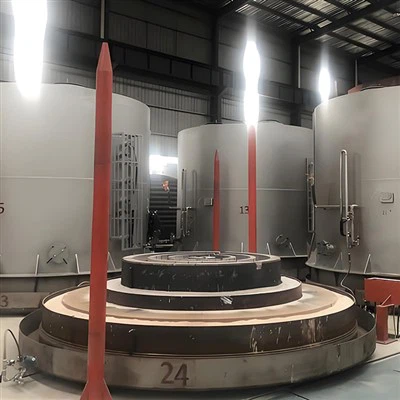
When operating a Box Type Aging Furnace, a series of safety measures must be strictly adhered to ensure the well - being of operators and the proper functioning of the equipment. As a supplier of Box Type Aging Furnaces, I understand the critical importance of these safety protocols.
Pre - operation Safety Checks
Before starting the Box Type Aging Furnace, a comprehensive pre - operation inspection is essential. First, visually examine the furnace body for any signs of physical damage, such as cracks in the insulation or dents in the outer shell. Damaged insulation can lead to heat leakage, which not only wastes energy but also poses a burn hazard to operators.
Check the electrical connections thoroughly. Loose or frayed wires can cause short circuits, electrical fires, or equipment malfunctions. Make sure all electrical panels are closed and locked, and there are no exposed wires. Verify that the grounding system is in good condition, as proper grounding is crucial for preventing electrical shocks.
Inspect the heating elements. Over time, heating elements can degrade or break. A broken heating element may not only fail to heat the furnace properly but can also create a high - voltage hazard. Look for signs of overheating, such as discoloration or melting, and replace any damaged elements immediately.
Examine the ventilation system. Adequate ventilation is necessary to remove harmful gases and fumes generated during the aging process. Ensure that the ventilation ducts are clear of obstructions, and the fans are working correctly. A malfunctioning ventilation system can lead to the accumulation of toxic gases, such as carbon monoxide, which is extremely dangerous to human health.
Operator Training
Proper training for operators is a cornerstone of safe furnace operation. Operators should be well - versed in the furnace's operating manual, including how to start, stop, and adjust the furnace settings. They should understand the different parameters, such as temperature, time, and pressure, and how to set them correctly for different aging processes.
Training should also cover emergency procedures. Operators need to know what to do in case of a fire, electrical failure, or other emergencies. This includes how to shut down the furnace safely, how to use fire extinguishers, and how to evacuate the area. Regular training sessions should be conducted to refresh operators' knowledge and skills.
During Operation Safety
During the operation of the Box Type Aging Furnace, operators should always wear appropriate personal protective equipment (PPE). This includes heat - resistant gloves to protect hands from high temperatures, safety glasses to shield eyes from flying debris or hot sparks, and fire - resistant clothing to prevent burns.
Monitor the furnace continuously. Keep an eye on the temperature and pressure gauges to ensure they are within the normal operating range. Any sudden changes in these parameters could indicate a problem with the furnace. If an abnormal reading is detected, stop the operation immediately and investigate the cause.
Do not overload the furnace. Overloading can cause the furnace to overheat, which may damage the equipment and pose a safety risk. Follow the manufacturer's guidelines regarding the maximum load capacity of the furnace.
Avoid opening the furnace door during operation unless necessary. Opening the door can cause a sudden drop in temperature, which may affect the aging process. It can also expose operators to high - temperature air and hot materials, increasing the risk of burns.
Post - operation Safety
After the aging process is complete, allow the furnace to cool down properly before performing any maintenance or cleaning. Touching a hot furnace can cause severe burns. Use a thermometer to check the temperature and wait until it has dropped to a safe level.
Clean the furnace regularly to remove any debris or residue. However, make sure the furnace is completely powered off and cooled down before cleaning. Use appropriate cleaning tools and agents, and follow the manufacturer's instructions to avoid damaging the furnace.
Store all tools and equipment properly after use. Keep them in a designated area, away from the furnace, to prevent tripping hazards and damage to the tools.


Maintenance and Inspection
Regular maintenance and inspection are essential for the long - term safety and performance of the Box Type Aging Furnace. A maintenance schedule should be established, and all maintenance tasks should be carried out on time.
This includes lubricating moving parts, such as fans and conveyor belts, to reduce friction and prevent wear and tear. Check the seals around the furnace door to ensure they are airtight. A leaky seal can cause heat loss and reduce the furnace's efficiency.
Inspect the control system regularly. The control system is responsible for regulating the temperature, time, and other parameters of the furnace. Any malfunction in the control system can lead to improper operation of the furnace. Test the sensors and controllers to ensure they are working accurately.
Additional Safety Considerations for Different Applications
If the Box Type Aging Furnace is used for specific applications, such as aging aluminum alloys, additional safety measures may be required. For example, when using a Pit Type Aluminum Alloy Aging Furnace, operators need to be aware of the unique characteristics of aluminum aging, such as the potential for aluminum dust to create an explosion hazard. Special precautions should be taken to prevent the accumulation of aluminum dust, such as using dust collection systems and avoiding open flames in the vicinity.
When dealing with an Aluminum Aging Furnace, operators should understand the chemical reactions that occur during the aging process. Some aluminum alloys may release volatile organic compounds (VOCs) or other harmful substances. The ventilation system should be designed to handle these emissions effectively.
For an Aluminum Wire Aging Furnace, the handling of aluminum wires needs to be done carefully. Wires should be loaded and unloaded in an orderly manner to prevent entanglement, which can cause equipment damage or operator injury.
Fire Safety
Fire safety is a top priority when operating a Box Type Aging Furnace. Install fire detection and suppression systems in the furnace area. Smoke detectors and heat sensors can alert operators to the presence of a fire at an early stage. Fire extinguishers should be readily available, and operators should know how to use them.
Keep the area around the furnace clear of flammable materials. This includes paper, cardboard, and combustible chemicals. A fire in the vicinity of the furnace can quickly spread and cause significant damage.
Electrical Safety
Electrical safety is another crucial aspect. All electrical work on the furnace should be carried out by qualified electricians. Do not attempt to repair or modify the electrical system without proper training and authorization.
Use electrical equipment that is rated for the furnace's voltage and current requirements. Overloading electrical circuits can cause overheating and fires. Install surge protectors to protect the furnace from power surges, which can damage the electrical components.
Emergency Preparedness
In addition to training operators on emergency procedures, a comprehensive emergency plan should be in place. This plan should include evacuation routes, assembly points, and contact information for emergency services. Regular emergency drills should be conducted to ensure that all employees are familiar with the plan and can respond quickly and effectively in case of an emergency.
Conclusion
Operating a Box Type Aging Furnace safely requires a combination of pre - operation checks, operator training, proper maintenance, and emergency preparedness. By following these safety measures, we can minimize the risk of accidents and ensure the long - term reliability and performance of the furnace.
If you are in the market for a high - quality Box Type Aging Furnace or need more information about safety measures and operation, we are here to assist you. Our team of experts can provide you with detailed guidance and support. Contact us to start a procurement discussion and find the best solution for your aging process needs.
References
- Manufacturer's operating manuals for Box Type Aging Furnaces
- Occupational Safety and Health Administration (OSHA) guidelines for furnace operation
- Industry standards for heat treatment furnace safety