Hey there! As a supplier of crucible furnaces, I often get asked, "What is the crucible furnace used for?" Well, let me break it down for you in this blog post.
Basic Introduction of Crucible Furnaces
First off, a crucible furnace is a simple yet powerful piece of equipment. It consists of a crucible - a container made of materials that can withstand high temperatures, like graphite, ceramic, or metal alloys. The furnace is designed to heat this crucible to extremely high temperatures, allowing it to melt various metals and other materials.
Metal Melting and Casting
One of the most common uses of crucible furnaces is in metal melting and casting processes. Whether you're working with precious metals like gold, silver, and platinum or more common metals such as aluminum, copper, and iron, a crucible furnace can do the job.
For jewelers, a small - scale crucible furnace is a must - have tool. They use it to melt precious metals to create beautiful rings, necklaces, and other jewelry pieces. The ability to control the temperature precisely in a crucible furnace ensures that the metal melts evenly without any impurities being introduced. This results in high - quality jewelry with a smooth finish.
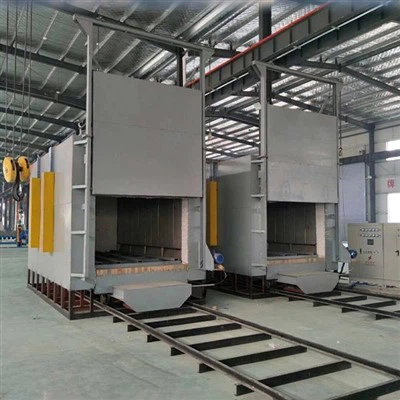
In the manufacturing industry, larger crucible furnaces are used for mass - producing metal parts. For example, in the automotive industry, aluminum parts like engine blocks, pistons, and wheels are often made using casting processes with crucible furnaces. The Gas Crucible Aluminum Melting Furnace is specifically designed for this purpose. It uses gas as a fuel source, which provides efficient heating and can reach the high temperatures required to melt aluminum quickly.
Laboratory Applications
Crucible furnaces are also widely used in laboratories. Scientists and researchers use them for a variety of experiments and analyses. For instance, in materials science, they can be used to study the properties of different metals and alloys at high temperatures. By melting and then cooling the materials in a controlled environment, researchers can observe how the structure and properties of the materials change.
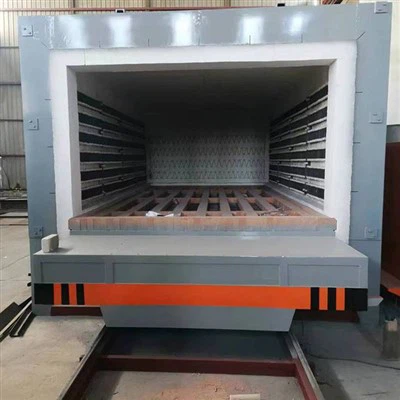
In chemical laboratories, crucible furnaces are used for processes like calcination. Calcination involves heating a substance to a high temperature in the absence of air to cause a thermal decomposition. This is useful for preparing certain chemicals and analyzing the composition of samples. The Crucible Melting Resistance Furnace is a great option for laboratory use. It uses electrical resistance heating, which allows for very precise temperature control, making it ideal for delicate laboratory experiments.
Glass and Ceramic Production
In the glass and ceramic industries, crucible furnaces play a crucial role. Glass manufacturers use them to melt raw materials like silica, soda ash, and limestone to produce glass. The high temperatures in the crucible furnace break down the raw materials and fuse them together to form a homogeneous glass melt. This melt can then be shaped into various glass products, such as bottles, windows, and optical lenses.
Similarly, in ceramic production, crucible furnaces are used to fire ceramic materials. The high - temperature firing process hardens the ceramics, giving them strength and durability. Different types of crucibles can be used depending on the specific requirements of the glass or ceramic production process.
Advantages of Using Crucible Furnaces
There are several advantages to using crucible furnaces. Firstly, they are relatively simple in design and easy to operate. Even someone with limited technical knowledge can learn how to use a crucible furnace with a bit of training.
Secondly, crucible furnaces offer excellent temperature control. This is essential for ensuring the quality of the melted materials. Whether you need a low - temperature melt for a delicate alloy or a high - temperature melt for a refractory metal, a crucible furnace can be adjusted to meet your needs.
Another advantage is that crucible furnaces are versatile. They can be used with a wide range of materials, from metals to glass and ceramics. This makes them a valuable investment for many different industries.
Different Types of Crucible Furnaces We Offer
As a supplier, we offer a variety of crucible furnaces to meet different customer needs. In addition to the gas - fired and resistance - heated furnaces I mentioned earlier, we also have the Tilting Crucible Melting Furnace. This type of furnace is designed for easy pouring of the molten metal. Once the metal is melted, the furnace can be tilted to pour the liquid metal into a mold, which is very convenient for casting operations.


Why Choose Our Crucible Furnaces
Our crucible furnaces are built with high - quality materials and advanced technology. We ensure that each furnace meets strict quality standards and is reliable in operation. Our team of experts is always ready to provide technical support and after - sales service. Whether you have questions about installation, operation, or maintenance, we're here to help.
Let's Connect
If you're in the market for a crucible furnace, whether it's for a small - scale jewelry business, a large - scale manufacturing plant, or a laboratory, we'd love to hear from you. Our products can offer you the performance and reliability you need. Don't hesitate to reach out to us for more information, and let's start a conversation about how our crucible furnaces can meet your specific requirements.
References
- "Metallurgy: Principles and Applications" by George E. Dieter
- "Glass Science and Technology" by David R. Uhlmann and Norman J. Kreidl
- "Ceramic Processing and Sintering" by Randall M. German