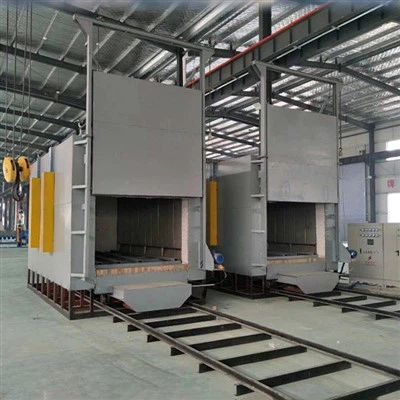
Measuring the temperature uniformity in a box annealing furnace is a critical aspect of ensuring the quality and consistency of heat treatment processes. As a supplier of box annealing furnaces, we understand the importance of accurate temperature control and uniformity. In this blog post, we will discuss the various methods and techniques for measuring temperature uniformity in a box annealing furnace, as well as the significance of maintaining proper temperature distribution.
Why Temperature Uniformity Matters
Temperature uniformity is essential in box annealing furnaces because it directly affects the quality of the annealed products. Inconsistent temperatures can lead to variations in material properties, such as hardness, ductility, and grain structure. These variations can result in product defects, reduced performance, and even product failure. Therefore, maintaining a high level of temperature uniformity is crucial for achieving consistent and reliable heat treatment results.
Methods for Measuring Temperature Uniformity
There are several methods available for measuring temperature uniformity in a box annealing furnace. Each method has its advantages and limitations, and the choice of method depends on various factors, such as the size and design of the furnace, the type of product being annealed, and the required level of accuracy.
Thermocouples
Thermocouples are one of the most commonly used devices for measuring temperature in box annealing furnaces. They are simple, reliable, and can provide accurate temperature measurements over a wide range of temperatures. Thermocouples work by generating a voltage that is proportional to the temperature difference between two junctions. By placing multiple thermocouples at different locations inside the furnace, it is possible to measure the temperature distribution and determine the level of uniformity.
To measure temperature uniformity using thermocouples, a series of thermocouples are placed at strategic locations inside the furnace, such as the corners, edges, and center. The thermocouples are connected to a data acquisition system, which records the temperature readings at regular intervals. The data is then analyzed to determine the temperature variation across the furnace.


Infrared Thermography
Infrared thermography is another method for measuring temperature uniformity in box annealing furnaces. It involves using an infrared camera to capture the thermal image of the furnace interior. The camera detects the infrared radiation emitted by the furnace and converts it into a temperature map. This map provides a visual representation of the temperature distribution inside the furnace, allowing for easy identification of hot and cold spots.
Infrared thermography is a non-contact method, which means that it does not require physical contact with the furnace or the product being annealed. This makes it a convenient and safe method for measuring temperature uniformity, especially in high-temperature environments. However, infrared thermography has some limitations, such as the inability to measure the temperature inside opaque materials and the influence of surface emissivity on the accuracy of the measurements.
Temperature Mapping
Temperature mapping is a comprehensive method for measuring temperature uniformity in box annealing furnaces. It involves using a network of temperature sensors to measure the temperature at multiple points inside the furnace. The sensors are typically placed on a grid pattern to ensure that the entire furnace volume is covered. The temperature data is then collected and analyzed to create a detailed temperature map of the furnace.
Temperature mapping provides a more accurate and detailed picture of the temperature distribution inside the furnace compared to other methods. It allows for the identification of local temperature variations and the determination of the overall temperature uniformity. However, temperature mapping can be time-consuming and expensive, especially for large furnaces.
Factors Affecting Temperature Uniformity
Several factors can affect the temperature uniformity in a box annealing furnace. Understanding these factors is essential for maintaining proper temperature distribution and ensuring the quality of the annealed products.
Furnace Design
The design of the box annealing furnace plays a crucial role in determining the temperature uniformity. Factors such as the size and shape of the furnace, the location of the heating elements, and the airflow pattern can all affect the temperature distribution. A well-designed furnace should have a uniform heating system and a proper airflow pattern to ensure that the temperature is evenly distributed throughout the furnace.
Loading Configuration
The way the products are loaded into the furnace can also affect the temperature uniformity. If the products are not loaded evenly or if there are gaps between the products, it can create hot and cold spots inside the furnace. Therefore, it is important to ensure that the products are loaded in a way that allows for proper airflow and heat transfer.
Heating Elements
The type and placement of the heating elements can have a significant impact on the temperature uniformity. Different types of heating elements, such as electric resistance heaters, gas burners, and induction heaters, have different heating characteristics. The placement of the heating elements should be carefully designed to ensure that the heat is evenly distributed throughout the furnace.
Insulation
The insulation of the furnace is another important factor that affects the temperature uniformity. A well-insulated furnace can reduce heat loss and maintain a more stable temperature inside the furnace. Poor insulation can lead to temperature variations and energy waste.
Maintaining Temperature Uniformity
Once the temperature uniformity in a box annealing furnace has been measured, it is important to take steps to maintain it. Here are some tips for maintaining temperature uniformity:
Regular Calibration
Regular calibration of the temperature sensors and control systems is essential for ensuring accurate temperature measurements and control. Calibration should be performed at regular intervals to ensure that the sensors are working properly and that the temperature readings are accurate.
Monitoring and Adjustment
Continuous monitoring of the temperature inside the furnace is necessary to detect any changes in temperature uniformity. If any deviations from the desired temperature are detected, adjustments should be made to the heating system or the loading configuration to restore the temperature uniformity.
Maintenance and Cleaning
Regular maintenance and cleaning of the furnace are important for maintaining its performance and temperature uniformity. The heating elements, insulation, and airflow system should be inspected and cleaned regularly to ensure that they are working properly.
Conclusion
Measuring and maintaining temperature uniformity in a box annealing furnace is crucial for ensuring the quality and consistency of heat treatment processes. By using the appropriate methods and techniques for measuring temperature uniformity, and by taking steps to maintain it, you can achieve reliable and consistent heat treatment results.
If you are interested in learning more about our box annealing furnaces or other types of annealing furnaces, such as the Trolley Type Vacuum Annealing Furnace, Pit Type Annealing Furnace, or Rapid Annealing Furnace, please contact us to discuss your specific requirements. We are here to provide you with the best solutions for your heat treatment needs.
References
- ASM Handbook, Volume 4: Heat Treating. ASM International.
- ASTM E230 - Standard Specification and Temperature - Electromotive Force (emf) Tables for Standardized Thermocouples. ASTM International.
- ISO 9001:2015 - Quality Management Systems - Requirements. International Organization for Standardization.